









Exploring the Historic Legacy of East Lake Golf Club
East Lake Golf Club has become synonymous with excellence and tradition in the golfing world, notably serving as the final stop on the PGA Tour season for nearly two decades. Located in Atlanta, Georgia, East Lake boasts a rich history steeped in pivotal events, legendary players, and transformative changes. This comprehensive timeline outlines the evolution of East Lake Golf Club from its inception to its current status as a beloved venue for golf enthusiasts.
The Birth of a Golfing Landmark (1908)
On July 4, 1908, East Lake Golf Club opened its doors, coinciding with Independence Day in the United States, making it a landmark in both history and leisure. Among the attendees at the grand opening was a six-year-old Bobby Jones, who would go on to become one of the most celebrated golfers of all time. This initial launch was not just about golf; it was a communal celebration of American spirit and athletics, setting the stage for over a century of legacy at East Lake.
Architectural Innovations and Course Redesign (1913)
Initially designed by Tom Bendelow, known as the "Johnny Appleseed of American golf," the original course design did not endure. In 1913, esteemed architect Donald Ross was brought in to revamp the layout. His redesign was pivotal, as it introduced a layout that allowed both nines to return to the clubhouse — an essential feature that enhanced the golfing experience and improved the club’s social dynamics.
Rising from the Ashes: The Clubhouse Fire (1925)
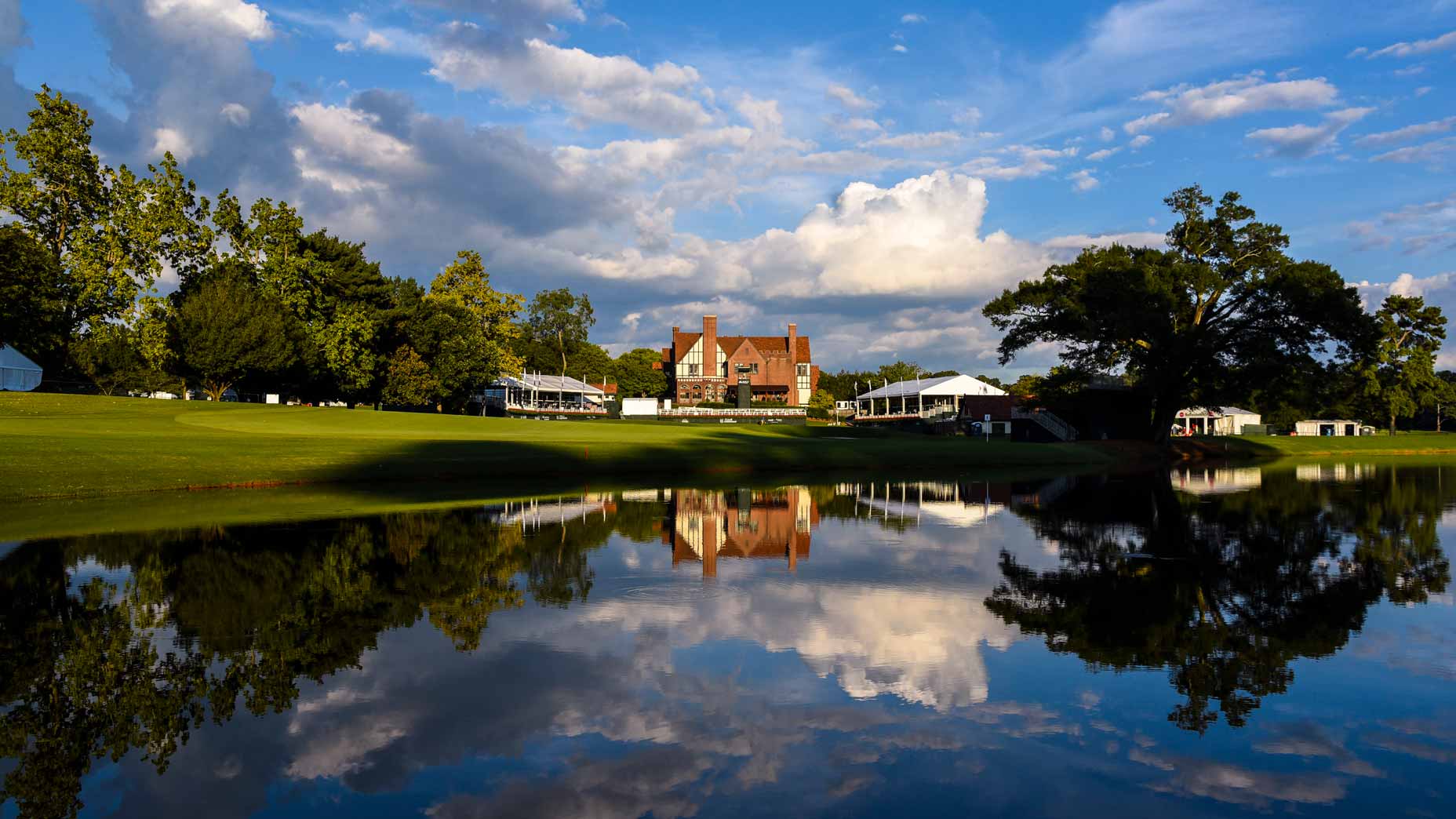
Tragedy struck in 1925 when a fire destroyed East Lake’s original clubhouse. However, the club emerged stronger by hiring renowned architect Philip Shutze to design a new two-story Tudor-style clubhouse. This architectural gem became iconic in the golfing world and incorporates unique memorabilia celebrating Bobby Jones’s incredible achievements, including a replica of his famed Calamity Jane putter.
The Rise of Bobby Jones (1930)
Bobby Jones made history at East Lake Golf Club in 1930 by completing the Grand Slam, winning the U.S. Open, U.S. Amateur, British Open, and British Amateur. This astonishing achievement solidified his status as an immortal figure in golf, as he honed his skills on the very course that celebrated him. The same year, Donald Ross completed the No. 2 Course at East Lake, further enriching its historic offerings.
The Last Round of a Legend (1948)
In a poignant moment in golfing history, Bobby Jones played his last competitive round at East Lake in 1948. This farewell on his home course was a testament to his deep connection with the club and its community, marking the end of an era while leaving a lasting legacy that continues to inspire golfers today.
Pioneering Women’s Golf in the South (1950)
East Lake Golf Club took a significant step in 1950 by hosting its first USGA championship — the U.S. Women’s Amateur. Beverly Hanson emerged victorious, making history at a venue that would continue to break barriers in the golfing community. This event underscored East Lake’s commitment to promoting the game among women and enhancing its reputation as a premier golfing destination.
A Game-Changing Ryder Cup (1963)
In 1963, the Ryder Cup was held at East Lake, featuring Arnold Palmer as both player and captain. This dual role is rarely seen in the history of the tournament, and Palmer’s leadership propelled the U.S. to a decisive victory over Great Britain, culminating in a remarkable score of 23-9. This event reaffirmed East Lake’s reputation as a venues where historic golf moments unfolded.
Revitalization Efforts (1993)
In 1993, real estate developer Tom Cousins purchased East Lake with a vision that transcended mere ownership. His mission was to revitalize not just the golf course but the surrounding community that had been in economic decline for years. By restoring the course and establishing the East Lake Foundation, Cousins aimed to provide mixed-income housing and educational opportunities, showcasing golf’s potential to uplift and unite communities.
The Tour Championship Era Begins (1998)
East Lake Golf Club hosted its first Tour Championship in 1998 after the event’s inaugural playing in Houston the year prior. Hal Sutton claimed victory, marking the beginning of a new chapter for East Lake as a regular host for high-stakes and high-profile tournaments. The club would soon earn its status as a celebrated venue for the Tour Championship, bringing excitement to golf fans across the country.
A New Milestone and Restoration (2024)
As part of the ongoing commitment to the club’s legacy, 2024 marked a significant renovation led by Andrew Green. This restoration sought to rejuvenate the course, aligning it more closely with the vision from Bobby Jones’s era. Enhancements included revamping the putting surfaces for better playability, revamping bunkers, and reintroducing strategic challenges that modern technology had made obsolete. The reborn East Lake will take center stage during the upcoming Tour Championship, showcasing its rich heritage anew.
Conclusion: The Enduring Legacy of East Lake Golf Club
East Lake Golf Club is more than just a course; it is a vibrant narrative woven from stories of triumph, restoration, and community engagement. As preparations continue for the upcoming Tour Championship, the legacy of East Lake remains secure. From Bobby Jones’s formative years to modern-day champions, the spirit of golf endures, embodying the essence of competition, camaraderie, and community.
By revisiting the roots of East Lake Golf Club and celebrating its historical significance, we not only honor the past but also look forward to the many chapters yet to be written in the rich tapestry of this iconic golfing venue. Make sure to follow East Lake Golf Club as it continues to evolve and inspire future generations of golfers.


