








Navigating the Golf Course Rough: A Comprehensive Guide for Golfers
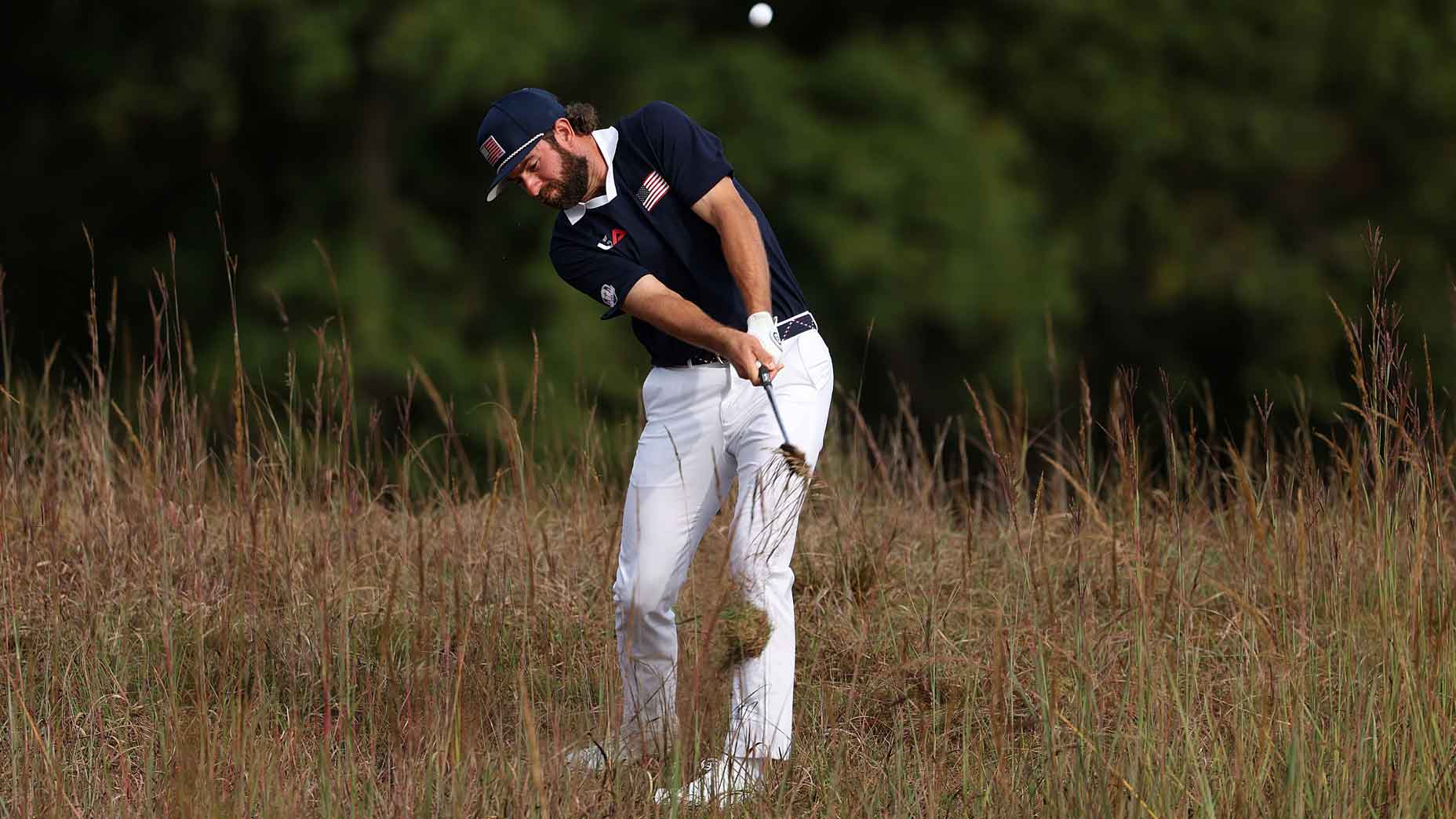
As the Ryder Cup showcases elite golfers tackling challenging courses, players often find themselves in tough conditions, particularly in the dense rough. While your local course may not mimic the notorious Bethpage Black, understanding how to navigate thick grass is vital for every golfer. Here’s a guide to mastering those tricky lies to enhance your game.
1. Assessing the Lie
The first step when faced with rough is to assess your lie carefully. Not all situations are created equal; you may find the ball perched atop the grass, which can present an easier shot than a ball that’s buried. Identifying how much of the ball is visible is crucial. Can you see half, a third, or hardly any of it? The less you can see, the more adjustments you’ll need to make to your setup and swing to achieve a successful shot.
2. Adjust Your Shoulders
Once you’ve assessed your lie, the next step involves adjusting your shoulder alignment. By tilting your lead shoulder lower than your trail shoulder, you shift your upper body toward the target, which helps achieve a steeper angle of attack. This posture ensures that the clubface makes proper contact with the back of the ball before hitting the ground, allowing for better precision and control.
3. Commit to Hitting Down
When your ball is nestled into the rough, it’s essential to hit down rather than attempting to “help” it into the air. Adopting the steeper setup is your guide here; the club needs to approach the ball on a descending path. Concentrate on making contact with the ground as well as the ball to ensure a successful strike, rather than just brushing the grass above it.
4. Expect a Shorter Follow-Through
Because of the steeper swing and weight shift, golfers can expect a shorter follow-through than usual. This shorter swing is more than acceptable; it serves a purpose. The focus should be on ensuring solid contact with the ball first, so maintaining weight and posture throughout the swing is crucial for a successful outcome.
5. Use a More Lofted Club
With a forward lean in your stance, you run the risk of de-lofting your club, which could diminish its effectiveness. This is where choosing the right club comes into play. Opting for more lofted clubs, such as a hybrid or fairway wood, can effectively lift the ball out of thick grass, making your recovery much smoother.
6. Choosing the Right Equipment
Investing in quality equipment can significantly affect your performance, especially in rough conditions. The PING G440 Max Custom Fairway Wood, for example, features a tall face and a low center of gravity that ensures a high launch from tough lies. As the club’s design focuses on forgiveness, golfers can maximize performance even in challenging situations.
7. Mental Approach Matters
A successful recovery from the rough is as much a mental game as it is about technique. Stay positive and committed to your shot. Fear of the rough can lead to hesitation, which often results in poor contact. Embrace the challenge and trust your skills and preparation to guide you through.
8. Practice in Varied Conditions
One of the best ways to prepare for dealing with rough is to practice in various conditions. By simulating similar lies on the golf course, you can gain a better understanding of how to adjust your stance, grip, and swing. Regular practice can enhance your confidence and readiness when faced with tough scenarios during games.
9. Understand Course Management
Being a smart golfer includes knowing when to take risks and when to play it safe. Sometimes, hitting out of the rough may not be the best option. Understand your capabilities and the potential consequences of your shot. Avoid unnecessary risks that could lead to penalties or increased strokes.
10. Conclusion: Mastering the Rough
The rough can be an intimidating part of the golf course, but fear shouldn’t guide your approach. With the right setup, technique, and mindset, any golfer can turn tough lies into opportunities for recovery. By harnessing the strategies discussed, you’ll transform challenging conditions into solid play, significantly improving your game on the course. Embrace the rough; it may become a less daunting part of your golfing experience.


