









The Ultimate Guide to Golf Clubs for Beginners: What You Need to Know
Hey there, fellow golf enthusiasts! If you’re just starting out in golf, you might feel like you’re drowning in a sea of golf clubs. With so many options out there, it can be a bit daunting. Don’t worry! Before you dive into brands and flashy gear, let’s take a step back and figure out what each type of golf club is all about. Whether you’re building your first set or just trying to understand why someone has four different wedges, this guide is here to help you navigate the essentials.
Meet Your Driver: The Big Shot Maker
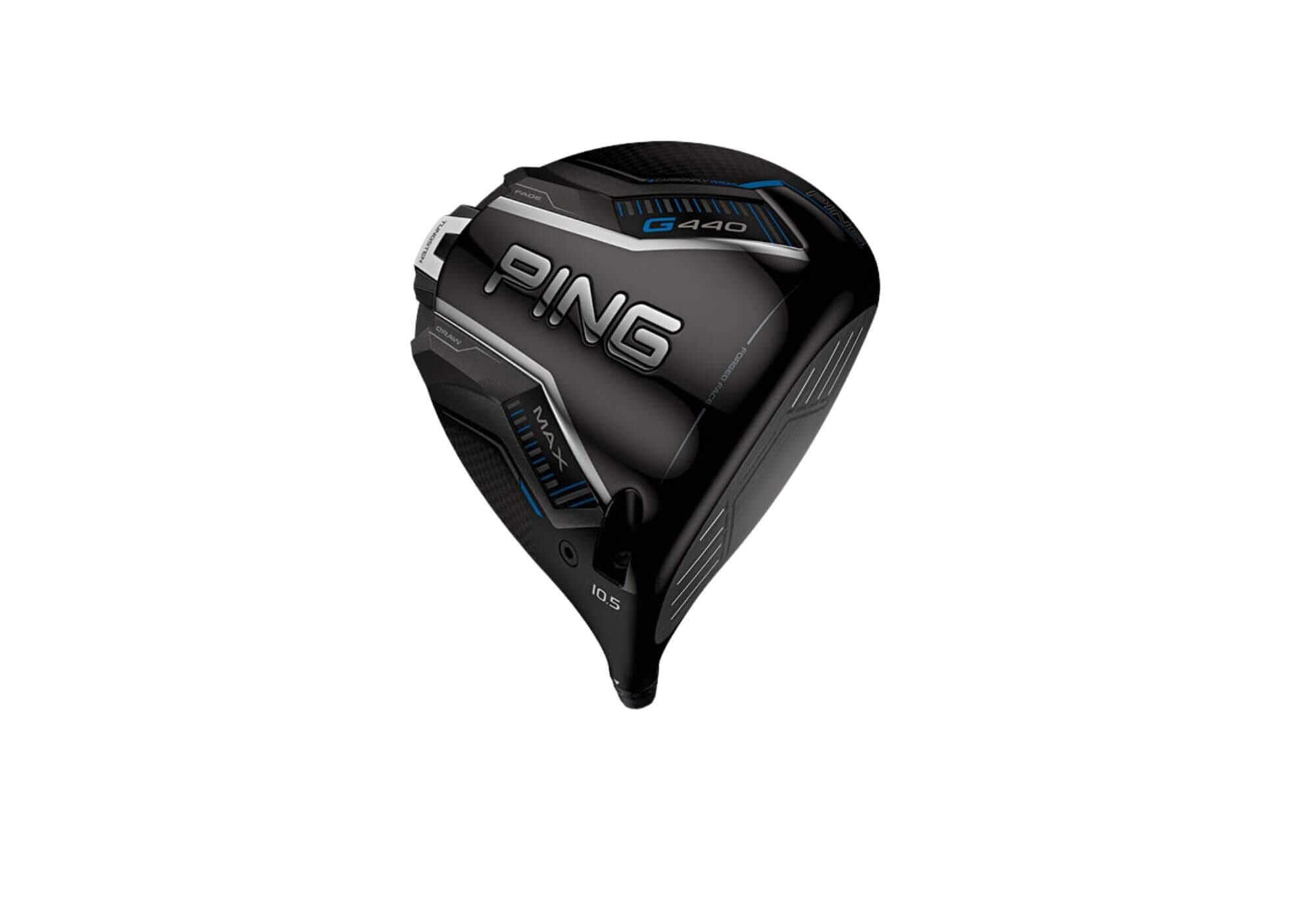
First things first, let’s talk about the driver. This is the big dog in your bag, designed for maximum distance off the tee. Usually, it has the largest clubhead and is around 440 to 460cc in volume, with a graphite shaft for that sweet, light swing. You’ll typically find a loft of around 9 to 12 degrees.
Key trait: It’s all about getting the ball soaring through the air for those long par-4s and par-5s. If you want to bring the thunder off the tee, the driver is your go-to!
Fairway Woods: The Swiss Army Knife of Golf
Next up, we have fairway woods, which look like a mini version of your driver. They’re super versatile and can be used off the tee or from the fairway itself. Most golfers pull out a fairway wood for long approach shots. It’s especially handy when you’re not feeling confident with your driver.
These clubs usually come in lofts like 3-, 5-, and 7-wood models.
Key trait: Fairway woods are easier to hit than drivers, making them your best buddies for those tricky shots from the turf.
Hybrids: Your New Best Friend
Now let’s talk about hybrids. These clubs are like the lovechild of woods and irons, perfect for those tough long irons like a 3-iron or 4-iron that can be a bit of a challenge for beginners. With a compact head and flat face, hybrids are super forgiving, especially when you’re hitting out of the rough.
You’ll often see hybrids in 4- and 5-hybrid variants.
Key trait: They’re easier to hit for beginners and deliver high, straight shots, making the game a lot less stressful!
Utility Irons: Precision Meets Power
Utility irons, sometimes called driving irons, are another fun addition to your set. These long irons have a thicker sole and are designed for golfers who want something that offers a lower flight and more control than your typical fairway wood or hybrid.
They work best for those who can swing fast and are looking to blend distance with accuracy.
Key trait: Utility irons are perfect for windy days or tight tee shots, giving you the versatility you need to tackle tricky situations.
Irons: The Workhorses of Your Bag
Irons make up the majority of clubs in your bag, and they get specific with their numbers: 3-9, usually. Each iron has a unique purpose, and various styles are tailored to your skill level, including players, player’s distance, game improvement, and super game improvement types.
Types of Irons:
- Players: Compact and low on forgiveness, great for skilled players.
- Player’s Distance: A blend of distance and style.
- Game Improvement: Larger heads for forgiveness, perfect for casual players.
- Super Game Improvement: Wide soles for max forgiveness, ideal for beginners.
Wedges: Short Game Superstars
Wedges come into play when you’re around the greens, needing to make those tricky short shots. These high-lofted irons are perfect for getting out of bunkers and can handle those finesse tosses from around 100 yards. With specialized wedge types like pitching, gap, sand, and lob wedges, they cover all your short-game needs.
Wedge Types:
- Pitching Wedge (PW): Great for full swings from 100-130 yards.
- Gap Wedge (GW/AW): Fills the gap between PW and sand wedge.
- Sand Wedge (SW): Your best buddy for bunker shots.
- Lob Wedge (LW): Ideal for high, soft shots.
The Putter: Master of the Green
The putter is where the magic happens—it’s all about finesse and precision. Unlike the other clubs, the putter has very little loft and focuses on making that sweet roll to get the ball in the hole. You’ll find two main types: blade and mallet.
Key trait: Think of it as your chess piece on the green where feel and distance control are paramount.
What Clubs Should Beginners Get?
So, here’s the scoop: The Rules of Golf say you can have 14 clubs in your bag. But if you’re just starting out, you really don’t need that many. A more manageable set makes it easier to learn the game without overwhelming yourself.
Here’s a typical beginner setup:
- Driver: For launching those long tee shots.
- Fairway Wood or Hybrid: Your reliable club for distance and ease of hitting.
- 4-5 Irons: Keeping it simple? Go with a 6-iron through 9-iron.
- 2 Wedges: Typically a pitching wedge and a sand wedge to cover most situations.
- Putter: The most-used club of all!
This setup gives you a nice balance of distance, forgiveness, and simplicity. As your skills develop, you can gradually add more clubs to your arsenal.
Final Thoughts: Gear Up and Get Out There!
As a newcomer to golf, you’ve got loads to learn about clubs, shafts, and all the brands out there. But that’s okay! Armed with this guide, you’ll feel more enlightened about the types of clubs available and how they can elevate your game.
So, now that you’ve got the lowdown on all this gear, go out and enjoy your time on the green. Remember, golf is about having fun, so swing away and take it one hole at a time!
Now that you’re in the know about golf clubs, you’re ready to hit the course with confidence! As you progress, you’ll discover what works best for your style, and hey—I’m here to help along the way! Happy golfing!


