







The Resilience of PXG: A Decade of Disruption in Golf
In 2013, when Bob Parsons launched PXG (Parsons Xtreme Golf), skeptics predicted an early demise. The golf industry was astounded by the high prices—often compared to luxury vehicles—and a bold marketing approach that seemed almost provocative. Many believed this was destined to be a fleeting vanity project of a billionaire. However, PXG has not only survived but thrived over the last decade, evolving beyond initial expectations.
Bold Beginnings
The original PXG clubs were priced well above the market average, aiming to cater to a luxury market. Parsons envisioned his brand as an "affordable luxury," akin to a Bentley in the golf world. Critics dismissed PXG as "all flash, no substance," betting it wouldn’t last long against established competitors. Notably, Parsons originally claimed that you wouldn’t see PXG at events like the PGA Merchandise Show, likening the brand to Ferrari at the Detroit Auto Show. Fast forward a decade, and PXG is returning to the PGA Show in 2026, highlighting its remarkable journey.
Key Features of Early PXG Clubs:
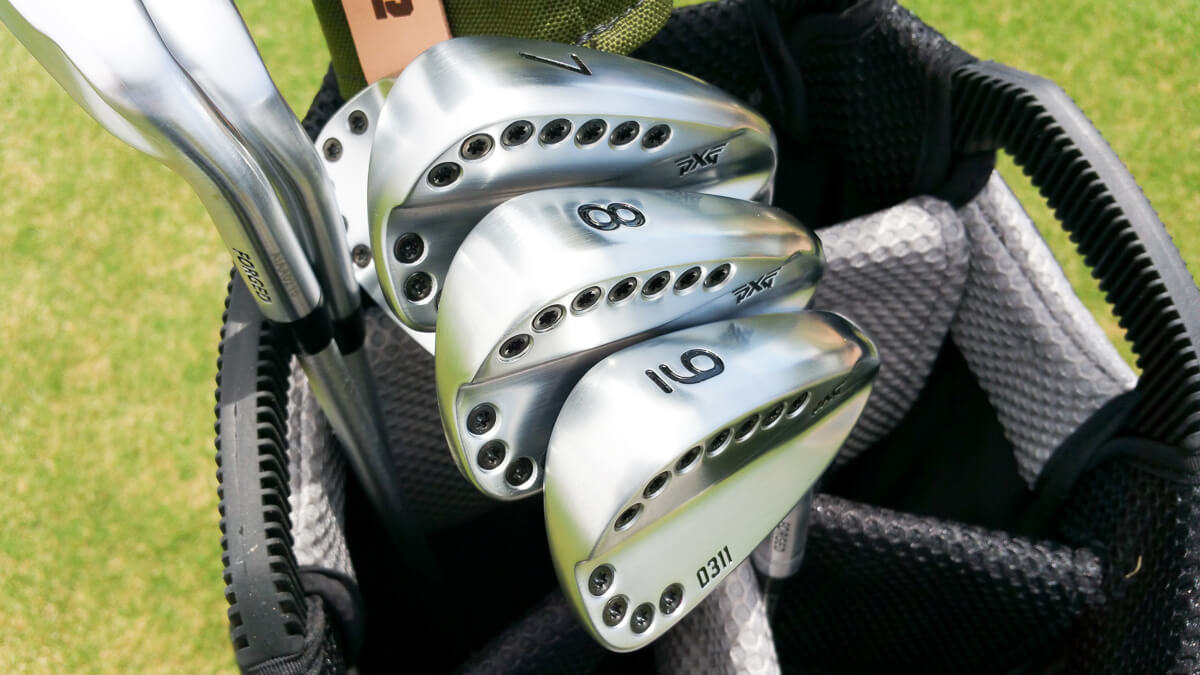
- Innovative Design: The original 0311 irons featured eleven adjustable weight ports, emphasizing customization.
- Marketing Impact: While divisive, the eye-catching marketing positioned PXG distinctively in a sea of conventional brands.
The 1st generation of PXG 0311 irons featured eleven adjustable weight ports per head.
Evolving Experience: Beyond Just Equipment
From the outset, PXG recognized that the customer experience was as crucial as the equipment. They were pioneers in offering an immersive fitting experience, far preceding mainstream adoption of this model. Initially, customers could partake in a three-day experience at Scottsdale National Golf Club, including fittings and on-course time with PXG engineers—all for $99,000. While the price might seem extravagant, it successfully established PXG’s exclusive reputation.

The Other Course at Bob Parsons’ Scottsdale National Golf Club, where PXG customers experienced exclusive fittings.

Influencer Engagement
PXG was also ahead of the curve in influencer marketing. Early partnerships with personalities like Paige Spiranac and long-drive competitor Troy Mullins showcased their innovative marketing strategy. However, both relationships ended as the influencers moved on, proving that loyalty in this sphere can be fleeting.
On the professional scene, PXG attracted players like Zach Johnson and Billy Horschel early on, leveraging their limited history to penetrate competitive markets. However, PXG remains aware that sustainable growth requires broadening its appeal beyond affluent golfers.
Affordable Offerings and Growing Pains
In 2019, PXG took a bold step into more accessible pricing with the launch of the 0211 series of cast-body irons. This was a strategic move to provide entry-level options but faced significant challenges during the COVID-19 pandemic that disrupted the entire industry.
Despite uncertainties, PXG’s proactive approach allowed them to capitalize during a time when many companies were retreating. They released prototype drivers, extending promotional pricing to all consumers, deviating from initial plans to only cater to military and first responders. This flexibility led to widespread access but also oversaturation of certain products, especially the popular 0211 models, which briefly turned PXG into one of the industry’s most affordable brands.
Stabilization and a Focus on Fitting
Post-pandemic, PXG has stabilized, moving away from extreme pricing models while still offering premium products. They have emphasized a customized fitting experience, ensuring that customers find the right equipment without complicating pricing structures.
Noteworthy Product Developments:
- Recent launches, such as the Lightning metalwoods, prioritize a blend of speed and forgiveness while encouraging golfers to obtain custom fittings.
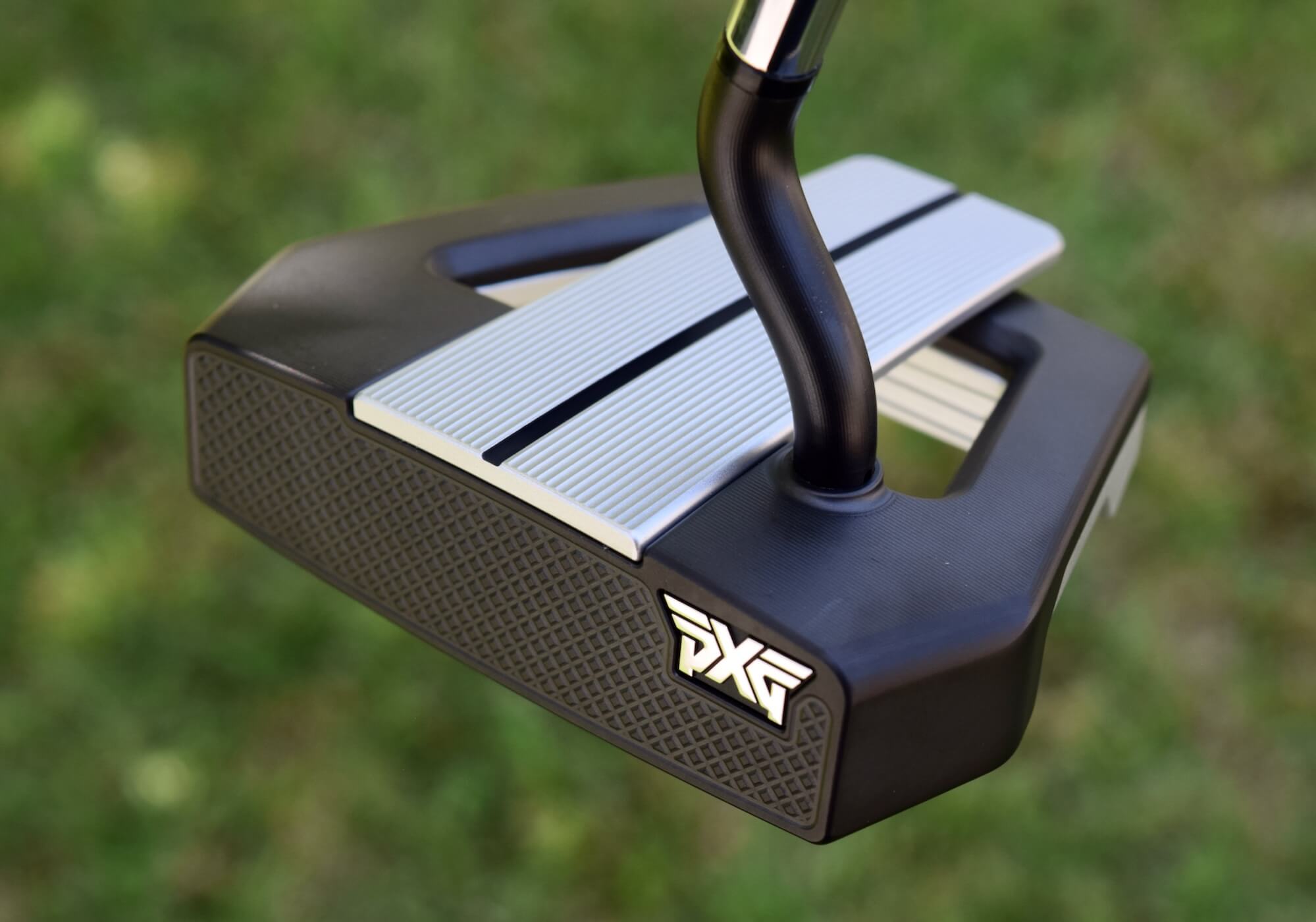
The Allan was PXG’s first offering in the emerging zero-/low-torque putter category.

Future Innovations and Brand Evolution
Looking ahead, PXG remains poised for further innovation. The upcoming GEN8 irons reflect a shift towards practicality without sacrificing performance. Competitively priced, they aim to hold their ground in a crowded market.
Under recent leadership changes, including the promotion of Brad Schweigert to COO, the brand is now well-positioned to explore expansive growth beyond traditional product lines. Their recent foray into new territories, like pickleball equipment, signifies a bold strategy to diversify brand offerings.
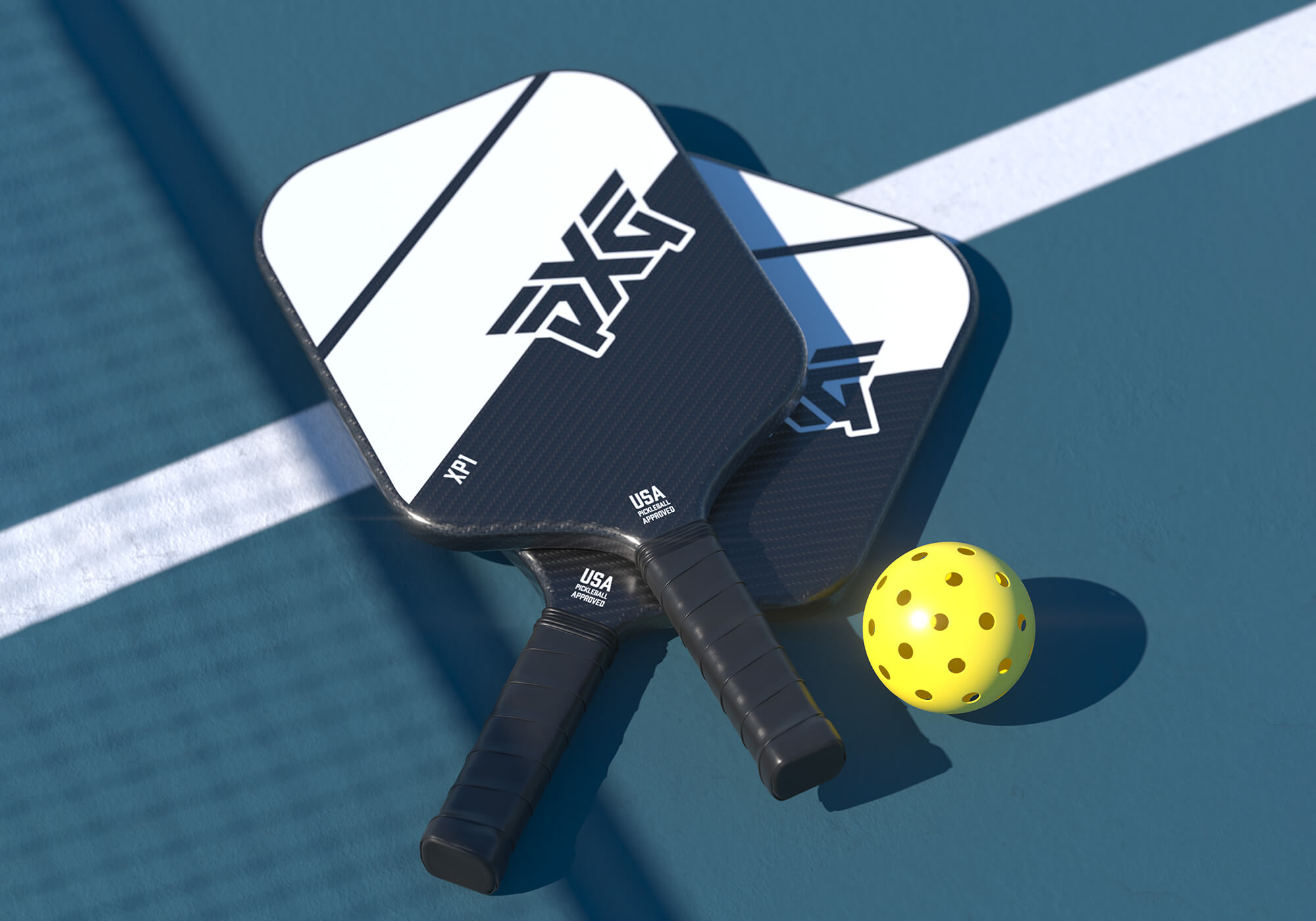
PXG has made a strategic move into pickleball paddles as part of its diversified offerings.
Conclusion: A Legacy of Disruption and Growth
Ten years after its inception, PXG has defied the naysayers and established itself as a mainstay in the golf market. Far from the initial perception of a fleeting project, PXG has transformed into a brand dedicated to enhancing the golfing experience, championing a philosophy that prioritizes individual fittings and continuous innovation.
As the brand adapts to ever-changing market dynamics, the essence of PXG—symbolized by its complex engineering and premium offerings—remains while forging a sustainable path forward. This journey not only revolutionizes golf equipment but also embodies a broader narrative of resilience and adaptability in the sport.


