







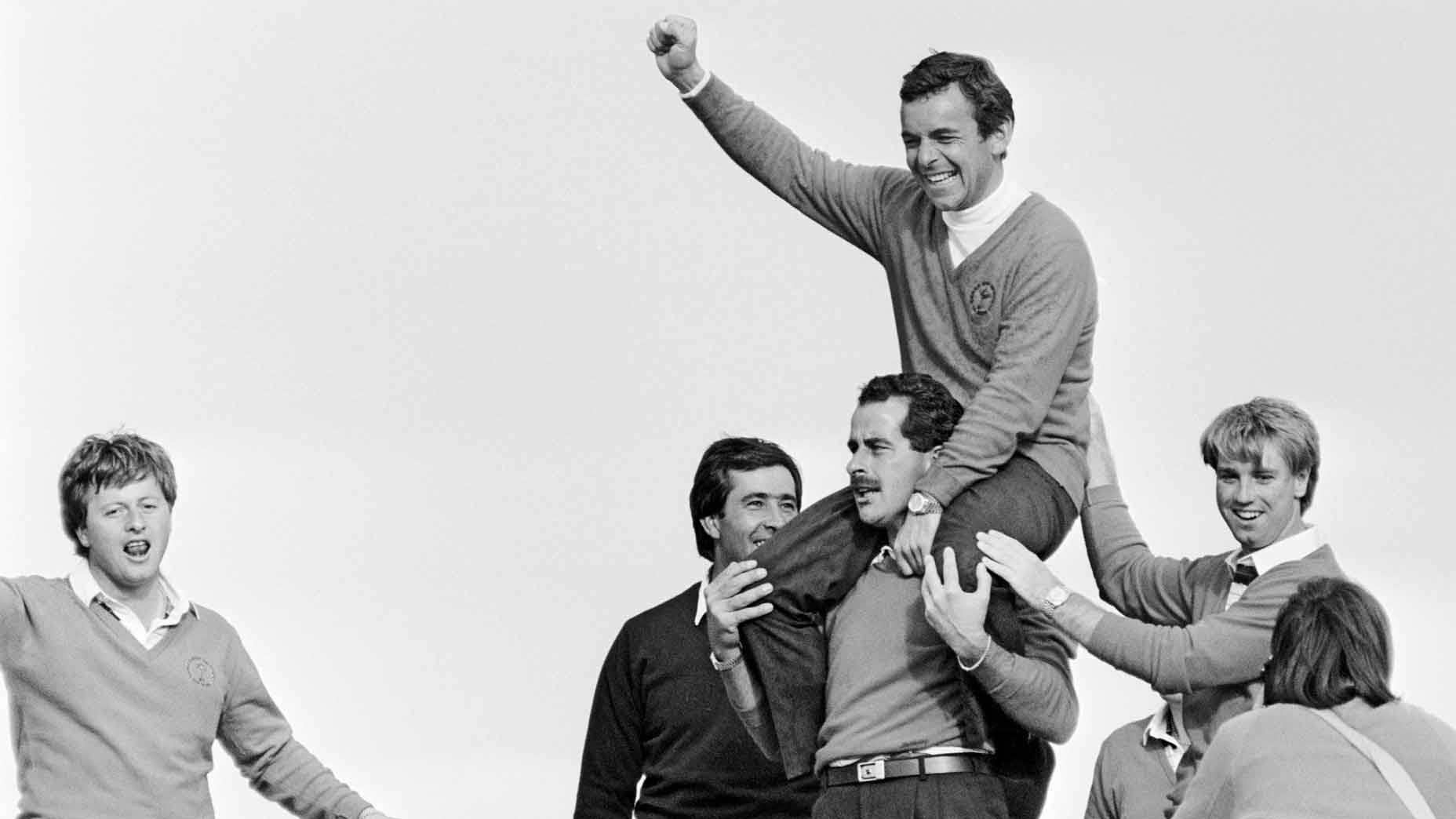


The Evolution of the Ryder Cup: Triumph and Transformation
The Ryder Cup, an emblem of elite golf competition, reflects the dynamic interplay between dominance and underdog spirit. It epitomizes the notion of fleeting glory, encapsulated by the phrase "Sic transit gloria mundi," meaning "thus passes the glory of the world." Historically, U.S. teams dominated, turning matches into predictable outcomes until the rise of European contenders transformed the event into a nail-biting spectacle. Understanding this evolution reveals layers of emotional intensity and fervent rivalry that have defined the competition for decades.
The origins of the Ryder Cup’s thrilling narrative are complex. For nearly 20 years, U.S. victories came easily, leaving British and Irish players disheartened and resigned to defeat. The establishment of the European Tour in 1972 marked a turning point, creating a foundation for unity among players. Despite initial struggles, the emergence of Irish golfers in the late 1970s served to rekindle hope within a beleaguered team. Even though the odds remained stacked heavily in favor of the U.S., these early developments were critical steps toward a more competitive landscape.
Historic losses added fuel to the fire of resilience among European golfers. The 1967 Ryder Cup was a painful example, with British captain Dai Rees introducing his team with pride while U.S. captain Ben Hogan simply stated his players’ dominance. The dismay among British players revealed the deep-seated psychological effects of repeated defeats. Such experiences became a "festering wound," shaping future expectations and motivations for a team looking to break the cycle of humiliation.
A significant moment came in 1977 when influential figures such as Jack Nicklaus initiated a dialogue bridging the U.S. and European bodies of golf. This meeting was pivotal in recognizing Europe as a legitimate contender, allowing a newfound synergy to develop among players. Despite initial setbacks in the years that followed, the increasing confidence of players like Seve Ballesteros signified a burgeoning transformation in the Ryder Cup dynamic.
Tony Jacklin’s appointment as captain of Team Europe in 1983 marked another watershed moment. Jacklin sought to instill confidence in a team long considered underdogs, introducing practices that emphasized professionalism, such as flying on the Concorde and bringing regular caddies. His efforts galvanized players, especially Ballesteros, who came to epitomize the fighting spirit necessary for competitive success. Their first match was a hard-fought battle that resulted in a near miss for Europe, planting seeds of hope for future campaigns.
The breakthrough moment materialized in the 1985 Ryder Cup at The Belfry. With an energized team supported by passionate fans, Europe triumphed for the first time since 1957, signaling a seismic shift in Ryder Cup history. The loss of a crucial putt by the U.S. players became a turning point in psychological warfare. Jacklin’s perspective that the U.S. team’s historical privilege was crumbling marked the dawn of a new era characterized by fervent competition.
This newfound competitive spirit was consistent throughout the late 1980s and 1990s. From 1983 to 2002, Europe demonstrated an uncanny ability to challenge and dethrone the U.S., culminating in memorable contests filled with suspense and intensity. Key players like José María Olazábal and Ballesteros formed an invaluable partnership that became integral to the team’s identity, embodying the resilience and tenacity that characterized Europe’s rise.
Ballesteros’ influence transcended his individual talent, positioning him as the heart of the European team. His vibrant personality and leadership fostered an atmosphere of belief and camaraderie among his teammates. His dramatic performances, particularly in critical matches, created lasting memories, reinforcing the notion that European golfers could compete on equal footing with their American counterparts.
Despite a series of triumphs, the Ryder Cup’s narrative is not without setbacks. As the team transitioned in the late 1990s and early 2000s, the magic seemed to wane, illustrated poignantly during the 1999 matches. The absence of Ballesteros on the team roster highlighted a void that proved challenging to fill. Nevertheless, players like Olazábal and Sergio García stepped up, striving to carry on the legacy and spirit of previous successes.
The evolution of the Ryder Cup encapsulates a larger story of resilience, rivalry, and transformation in the sport of golf. What once felt like a foregone conclusion for U.S. teams transformed into a saga of dramatic matches characterized by tension and unpredictability. With ongoing advancements, the Ryder Cup continues to captivate audiences worldwide, serving as a testament to the enduring allure of competition in golf and the spirit of sportsmanship that transcends borders. As history unfolds, the challenge remains: maintaining the delicate balance between legacy and the present, where every tournament can redefine the meaning of victory.


