








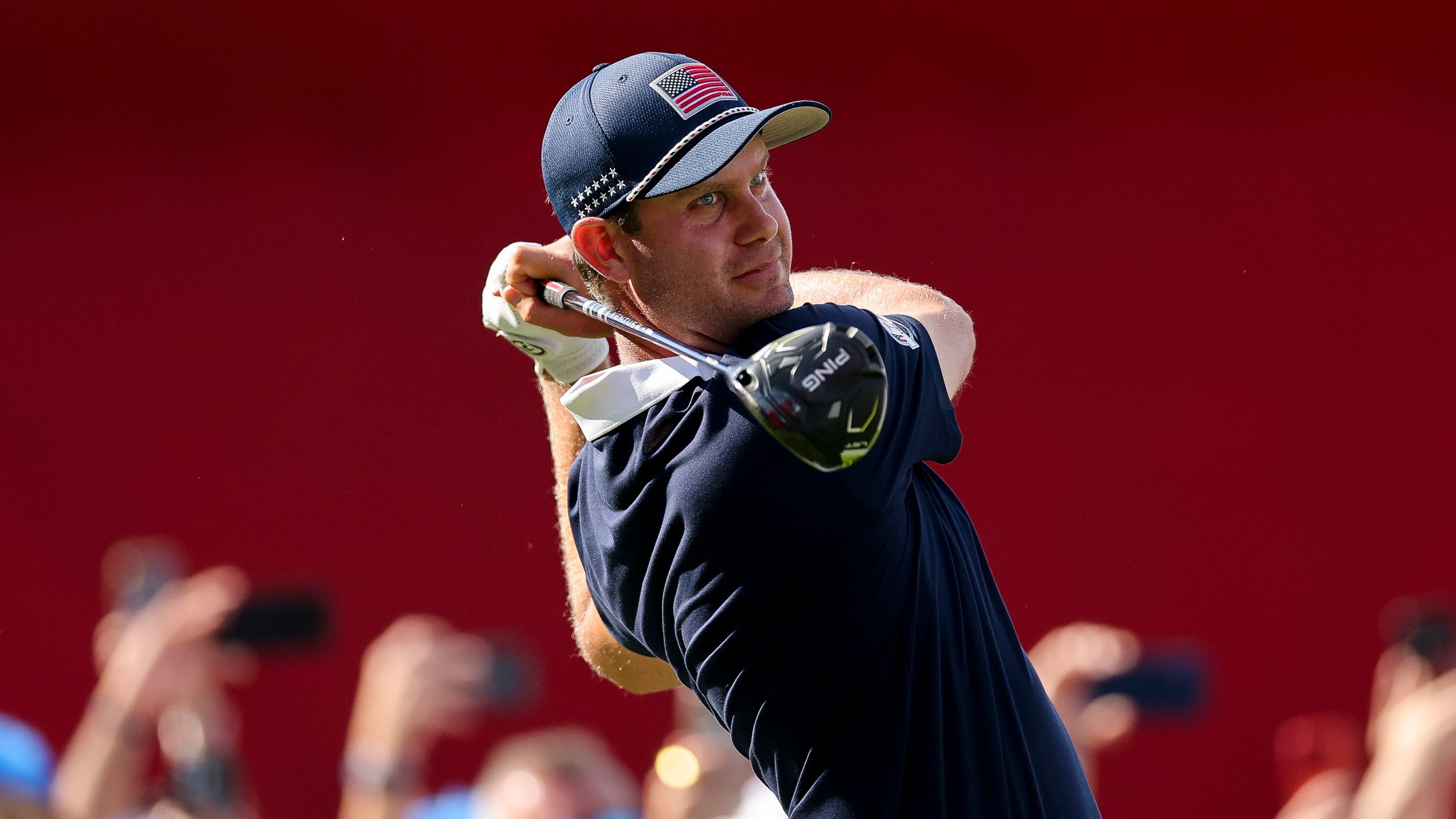
Potential Changes to the PGA Tour: Harris English Weighs in on the Future of Signature Events
As the landscape of professional golf continues to evolve, commentary from notable players sheds light on potential changes ahead for the PGA Tour. In a recent interview, Harris English hinted at the possibility of the Tour re-evaluating its structure, particularly with regard to Signature Events. He also proposed delaying the start of the season until after the Super Bowl, a move that could align the Tour’s schedule with one of the most-watched sporting events in America. This article delves into the implications of these suggestions and what they could mean for the future of professional golf.
Changing the Signature Events Paradigm
The PGA Tour has established Signature Events to enhance the competitive landscape and attract viewers. These events typically feature the strongest fields and offer higher prize money. However, as English implies, there may be merit in rethinking their importance. The golf landscape is dynamic, with fans increasingly interested in broader narratives surrounding players and events rather than specific tournaments. A shift away from Signature Events could allow for a more inclusive approach to tournament scheduling.
Super Bowl Timing: A Strategic Move?
Delaying the start of the season until after the Super Bowl could be a strategic pivot for the PGA Tour. The Super Bowl garners immense attention, dominating sports media and popular culture during its week. By postponing their season start, the PGA Tour could capitalize on this surge in viewer engagement, drawing in a larger audience once the major football event concludes. This strategy would align the Tour’s visibility with a period when many sports fans are actively seeking new events to follow.
The Impact on Player Calendars
If the PGA Tour adopts the idea of starting the season later, it will necessitate a re-evaluation of player tour schedules. Many professional golfers juggle commitments across various tournaments worldwide, and a change in the Schedule could lead to a more streamlined calendar. Fewer logistical headaches might encourage top players to participate in more events, thus enhancing overall competition and viewer interest throughout the season.
Fan Engagement and Participation
One of the critical elements that English’s suggestions touch upon is fan engagement. The PGA Tour has made considerable strides in attracting new audiences, particularly younger viewers. If the start of the season is timed well within the sports calendar, it could yield a significant increase in attendance and viewership. Golf must compete for attention in a crowded sports atmosphere; thus, optimizing the schedule can bolster fan participation and interaction.
Increased Revenue Potential
In sports, timing is everything. A strategic shift can lead to increased sponsorship opportunities and enhanced media coverage. By aligning its season with a post-Super Bowl timeline, the PGA Tour could attract corporate partnerships eager to leverage the heightened interest in sports at that time. Increased attendance and viewership also translate directly to higher revenue potential from ticket sales, merchandise, and broadcasting rights, vital for the Tour’s future sustainability.
Addressing Competitive Balance
English’s proposal raises fundamental questions about competitive balance within the sport. If Signature Events are modified or eliminated, there is a possibility of leveling the playing field among less-established players. The current format often favors top-ranked golfers, and a shift in the emphasis could potentially open doors for up-and-coming talent to shine, promising a refreshing dynamic in professional golf.
The Role of Technology and Social Media
In today’s digital age, the influence of technology and social media cannot be understated. Golf organizations are increasingly utilizing these platforms to engage fans, provide live updates, and create a community around events. By rebranding or reorganizing the schedule, the PGA Tour can maximize these digital tools to reach broader audiences. It can also enhance its storytelling capabilities, allowing fans to connect more deeply with players and the sport itself.
Enhancing Player-Centric Narratives
Golf’s beauty lies not only in the sport itself but also in the stories of its players. Harris English’s remarks suggest an opportunity for the PGA Tour to develop narratives centered around athletes more effectively. By prioritizing events that promote these stories, the Tour can cultivate stronger connections between golfers and fans. This approach would create a more engaging experience that could boost attendance and viewership.
A Consensus Among Players and Fans
As discussions about prospective changes persist, it’s crucial to engage various stakeholders in professional golf. Input from players, fans, and sponsors will be essential to determine the efficacy and desirability of these changes. Harris English’s insights reflect a sentiment shared among many players; ensuring that each voice is heard during this transformative period will be crucial in shaping the future of the PGA Tour.
Conclusion: Navigating the Future of Professional Golf
In conclusion, Harris English’s reflections on potential changes to the PGA Tour represent an important moment for the sport. The PGA can benefit from re-evaluating Signature Events and considering a new season timeline to enhance fan engagement, streamline player schedules, and boost revenue. As the landscape of professional golf evolves, embracing innovative ideas and fostering collaboration will be key to navigating the future successfully. The ongoing dialogue about these changes only underscores the vitality of the conversation surrounding the PGA Tour and its ability to adapt in a competitive sports environment.
In the coming months and years, how the PGA Tour implements these ideas will play a critical role in shaping the experience for players, fans, and stakeholders alike, potentially leading to an exciting and brighter future for professional golf.


