







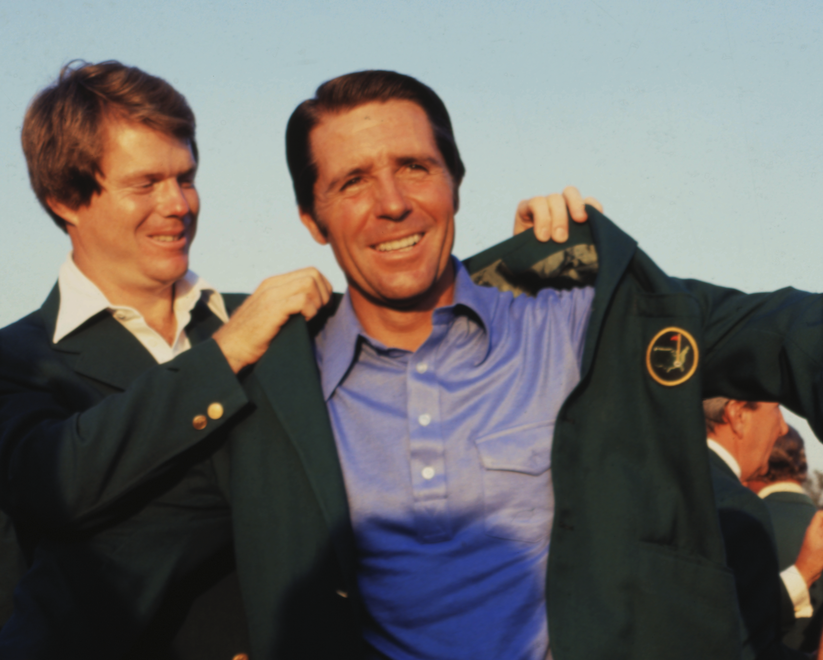


Gary Player’s Augusta Heartbreak Reveals an Uncomfortable Truth About Golf’s Most Sacred Ground
Gary Player, at 90 years old, has accomplished nearly everything humanly possible in professional golf. He’s won the Masters three times. He’s been an honorary starter since 2012. He’s walked those hallowed grounds more than any golfer in history—52 Masters appearances spanning five decades. And yet, Augusta National has denied him something remarkably simple: a casual round with his three grandsons.
On the surface, this seems like a bureaucratic stumble. Dig deeper, and it exposes something that’s been gnawing at me throughout my 35 years covering this game—Augusta National’s relationship with its own legacy has become unnecessarily rigid.
The Rule That Nobody Questions
Let’s be clear about what happened here. Augusta National has a membership policy: only members can invite guests to play. Player isn’t a member. End of story, from the club’s perspective. It’s not personal. It’s just policy.
Except it absolutely is personal, because we’re talking about Gary Player—one of the three men who essentially built Augusta National into what it is today.
"There are a lot of things that made Augusta what it is, but the part [the Big Three] played was a prevalent part of my career. When I go there I feel I am walking onto a golf course in Heaven."
Having caddied for Tom Lehman back in the ’90s and covered fifteen Masters myself, I’ve witnessed firsthand how Player’s presence elevated the tournament. The Big Three—Palmer, Nicklaus, and Player—transformed the Masters from a regional event into a global phenomenon. From 1960 to 1966, one of those three won the green jacket every single year. That wasn’t coincidence. That was compelling theater that made people care.
The Membership Question Nobody Answers
Here’s what strikes me most: Arnold Palmer was a member. Jack Nicklaus is a member. Gary Player—the only international member of the Big Three, a nine-time major champion, the man with more Masters starts than anyone ever—is not.
I’ve never gotten a satisfying explanation for this disparity. Player himself is too much of a gentleman to be bitter about it, which somehow makes it worse. He accepts it with grace:
"It is just this current management there, but these are the times we live in and I accept it, but I accept it with sadness."
This is the voice of a man who understands institutional stubbornness but has chosen dignity over conflict. Frankly, that makes Augusta look even more tone-deaf.
Augusta’s Identity Crisis
What troubles me isn’t that Augusta has rules. Every private club should have standards. What troubles me is that Augusta seems to have confused exclusivity with isolation. There’s a difference.
The club built its reputation on being selective—true. But it also built its reputation on recognizing greatness and honoring contribution. Bobby Jones did that. Clifford Roberts did that. They welcomed the giants of the game because they understood that the Masters was bigger than any single policy manual.
The current management’s unwillingness to grant Player one afternoon with his grandsons suggests they’ve lost sight of that balance. They’re guarding the gates when they should be celebrating the architects.
A Broader Pattern in Professional Golf
I’ve noticed this trend across the sport over the past decade. The PGA Tour has become increasingly corporate and legalistic. Tournament venues have become more protective of their "brands." Even the majors—traditionally the most tradition-bound events—are becoming more concerned with control than community.
This isn’t unique to Augusta. But it stings more there because Augusta has always positioned itself as different. Special. Above the fray. When you claim to be exceptional, you’re held to a higher standard.
The Optimistic Case
Before I sound too cynical, let me say this: the fact that Player can speak his mind publicly, that the story circulates globally, and that people actually care—that’s healthy. There’s still a conscience in professional golf. The conversation itself matters.
Additionally, Augusta has made genuine progress on inclusion. Women are now members. The club has diversified its membership in recent years. It’s not perfect, but it’s movement in the right direction.
The question is whether Augusta’s leadership has the wisdom to apply that same flexibility to honoring its own history.
What Should Happen
Look, I’m not calling for Augusta to overturn all its rules. Membership means something. But surely—surely—there’s a path where Gary Player gets an afternoon on that golf course with his grandsons. A member could bring him. A special exemption could be granted. The ceremony could be quiet and dignified.
The fact that this hasn’t happened tells me that someone in the decision-making chain has decided that principle matters more than grace. In 35 years covering this game, I’ve learned that principle without grace is just stubbornness wearing a blazer.
Augusta National was built by men generous enough to share their vision with the world. It would be nice if the current stewards remembered that.


