







The Future of Professional Golf: Insights from the Hero World Challenge
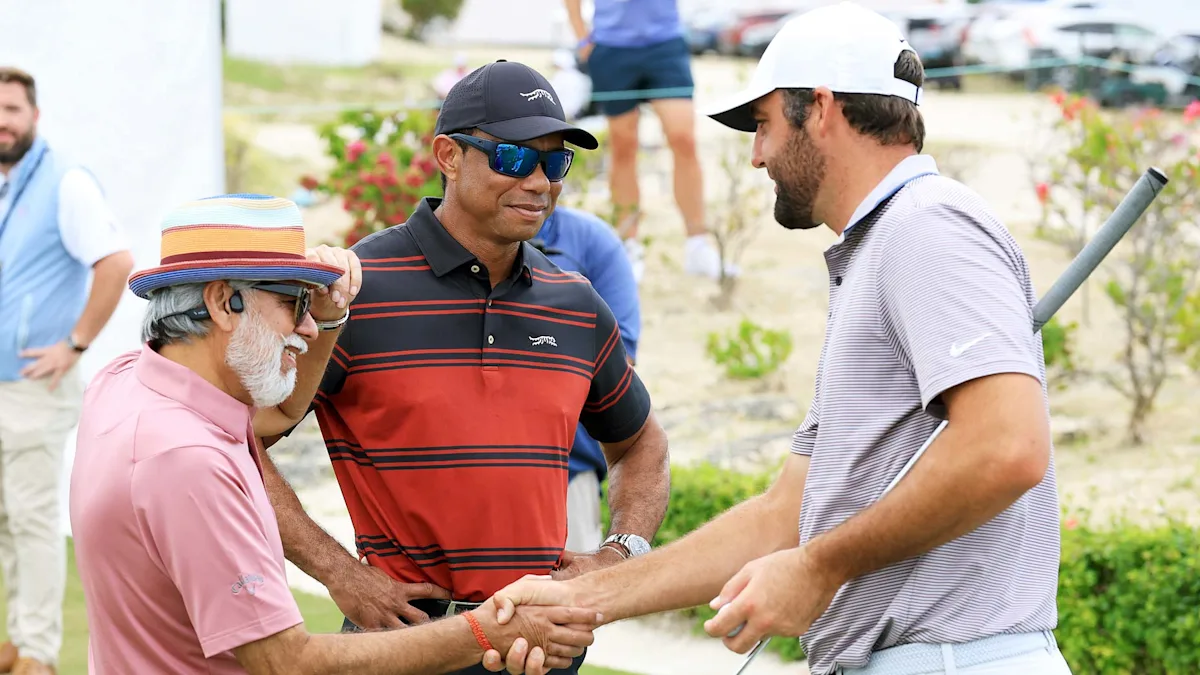
Dr. Pawan Munjal with Tiger Woods and Scottie Scheffler at the Hero World Challenge. Getty Images
Professional golf is undergoing a significant transformation, and events like the Hero World Challenge shed light on the critical questions facing the sport. This annual tournament, hosted by Tiger Woods, attracted some of the biggest names in golf, including Scottie Scheffler, Rory McIlroy, and Viktor Hovland, who participated in various global events simultaneously. This divergence raises an essential question: which tournaments truly matter in the world of professional golf?
The Dilemma of Golf’s Essential Tournaments
As athletes compete across the globe—and at times in seemingly isolated worlds—fans and analysts alike grapple with the importance and relevance of these tournaments. Shouldn’t each event get its fair share of attention? Professional golf’s current landscape raises questions about resource distribution and tournament prestige. The answers aren’t straightforward but seem to require a reevaluation of what constitutes a "must-watch" event in a sport where tradition often clashes with modern demands.
The Hero World Challenge exemplified this divide. Amid the stunning Bahamas backdrop, I found myself contemplating the sport’s complexities, even as I enjoyed the exciting shots from players like McIlroy and Adam Scott. While the beauty of the golf course was undeniable, the broader concerns about the sport echoed in my mind, reminding me that the balancing act between maintaining tradition and embracing evolution is ongoing.
Tiger Woods: A Return on the Horizon
One of the focal points of this year’s Hero World Challenge was Tiger Woods himself, who hinted at a potential comeback after being cleared for limited practice following multiple back surgeries. Despite ruling out specific appearances in upcoming tournaments, his dedication to resuming play was evident. Woods expressed an eagerness to compete again, passionately emphasizing the importance of playing not just for himself but also alongside his son, Charlie.
Woods’s desire to return to competitive golf adds layers to the ongoing narrative concerning professional golf’s future. While the iconic player grapples with his physical limitations, his presence still commands attention, and fans eagerly await a resurgence that could reinvigorate the sport.
Guiding Golf’s Direction
Beyond his remarkable career, Woods’s influence extends to the governance of professional golf. As chairman of the Future Competition Committee, he plays a crucial role in shaping the sport’s trajectory. His recent statements suggest that he is focused on considering stakeholder input and engaging with golf’s various partners to ensure a sustainable future for the PGA Tour.
Woods’s approach signifies a shift from legacy to proactive leadership, inspiring other players to consider their roles in safeguarding golf’s integrity and growth. As Woods reflects on the opportunities provided by the PGA Tour, his commitment to mentorship and fostering new talent remains apparent.
Optimism in Leadership
Another noteworthy aspect of the Hero World Challenge was the feedback on new PGA Tour CEO Brian Rolapp. The optimism surrounding his leadership style demonstrates a hopeful vision for the tour’s future. Several players remarked on Rolapp’s ability to bring insight and stability, suggesting that his experience in the NFL has provided him with essential qualities of leadership: decisiveness and direction.
In an environment often scrutinized for its direction, the sense of hope from the players underscores the potential for a new chapter in professional golf. They appear eager to participate in the formulation of a new vision for the tour, which could positively impact golf’s future.
The Importance of Player Engagement
At the Hero World Challenge, a pivotal "secret player meeting" highlighted the players’ desire to engage in discussions shaping the PGA Tour’s future. The attendance of top stars emphasized the growing recognition that change is imperative. The PGA Tour has historically reacted to changes; however, there is emerging confidence that proactive strategies are now being devised to take charge of golf’s evolving landscape.
Players at this summit engaged actively, showcasing a commitment to not only discussing professional challenges but also preparing for them. Such collaborative efforts aim to transform the players’ experience while enhancing the PGA Tour’s competitive edge.
Rethinking the Tournament Schedule
The discussions at the Hero World Challenge also revolved around potential changes to the tournament schedule. Concepts like a reduced number of events and increased focus on high-quality tournaments suggest that a new era of golf is on the horizon. While specifics remain unclear, statements from players about the need to ensure fewer yet more impactful tournaments reflect a collective desire for a more cohesive golf calendar.
Questions about which tournaments could be altered, moved, or eliminated are becoming increasingly pertinent. The challenge lies in balancing player interests with fan engagement and tournament prestige, while ensuring a fresh approach can captivate audiences and draw in new fans.
Confronting the Broader Landscape of Golf
Despite the optimism surrounding changes within the PGA Tour, the overarching landscape of professional golf remains challenging. Issues such as the competition posed by global tours like LIV Golf and the implications for existing events in the DP World Tour raise critical questions. As golfers like Rory McIlroy embrace international play, the tour must navigate its identity amidst these formidable external influences.
While the PGA Tour seeks to solidify its domestic hold, the excitement generated by international ventures offers opportunities for growth. The balance between traditional and modern iterations of golf requires ongoing dialogue as stakeholders seek positive outcomes for all parties involved.
Personal Reflections from Players
More than just discussions about schedules and governance, the Hero World Challenge provided an avenue for players to share their personal experiences. Keegan Bradley’s reflective assessment of his performance following the Ryder Cup loss brought a poignant reality check to the otherwise vibrant atmosphere of the tournament. His acknowledgment of personal struggle—coupled with professional aspirations—humanized the experiences that professional golfers navigate on and off the course.
Such vulnerability is essential in fostering a supportive environment where athletes can openly express their struggles and triumphs. Acknowledging the mental and emotional toll of competition adds depth to the narrative of professional golf.
New Partnerships on Tour
Incremental changes also included the introduction of fresh partnerships, exemplified by Akshay Bhatia’s new caddie, Joe Greiner. This shift underscores the evolving dynamics of the tour and how players can enhance their performances through reliable and compatible support systems. The allure of Bhatia’s relationship with Greiner, particularly as they both share a left-handed golf perspective, sets the stage for exciting possibilities in their partnership.
As new collaborations take shape, fans are reminded that the golf landscape is an ever-evolving ecosystem. These burgeoning partnerships suggest potential for growth and performance as athletes find new ways to connect with their support teams.
Defining Tournament Significance
The Hero World Challenge concluded with several tournaments awarding coveted spots at the 2026 Masters, emphasizing the critical importance of recognizing which events resonate most deeply within the professional golf community. With Augusta National’s firm stance in awarding places to top players from various international events, a clear message emerges: tournament significance and prestige must align with evolving golf narratives.
Amidst the shifting dynamics of the sport, the conversations sparked at the Hero World Challenge will undoubtedly inspire future developments. As professionals reconcile the legacies of golf with modern expectations, fans can only hope to witness the sport’s vibrant evolution unfold.
Golf, like life, is dynamic and unpredictable. Yet, as the champions of different tournaments emerged, one thing remained clear: the quest for excellence in golf is unwavering. Fans, players, and organizers alike are eager to engage in the critical discussions that will determine golf’s future and, in turn, celebrate the unbroken spirit of competition that defines this beloved sport.


