







Reflecting on the 2025 Ryder Cup: The Bethpage Blues
The past year in professional golf has been nothing short of extraordinary, marked by a blend of significant achievements and unexpected turmoil. As we look ahead to 2026, it’s essential to revisit some of the most pivotal moments of 2025. Among them, the Ryder Cup at Bethpage stands out for a mix of reasons that warrant deeper exploration. This article digs into the unforgettable events at the Ryder Cup, emphasizing why these moments are critical to the future of golf.
The Unfolding Drama at Bethpage
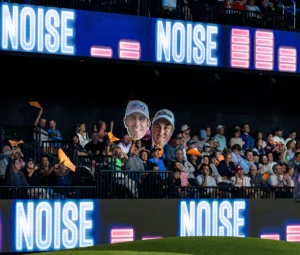
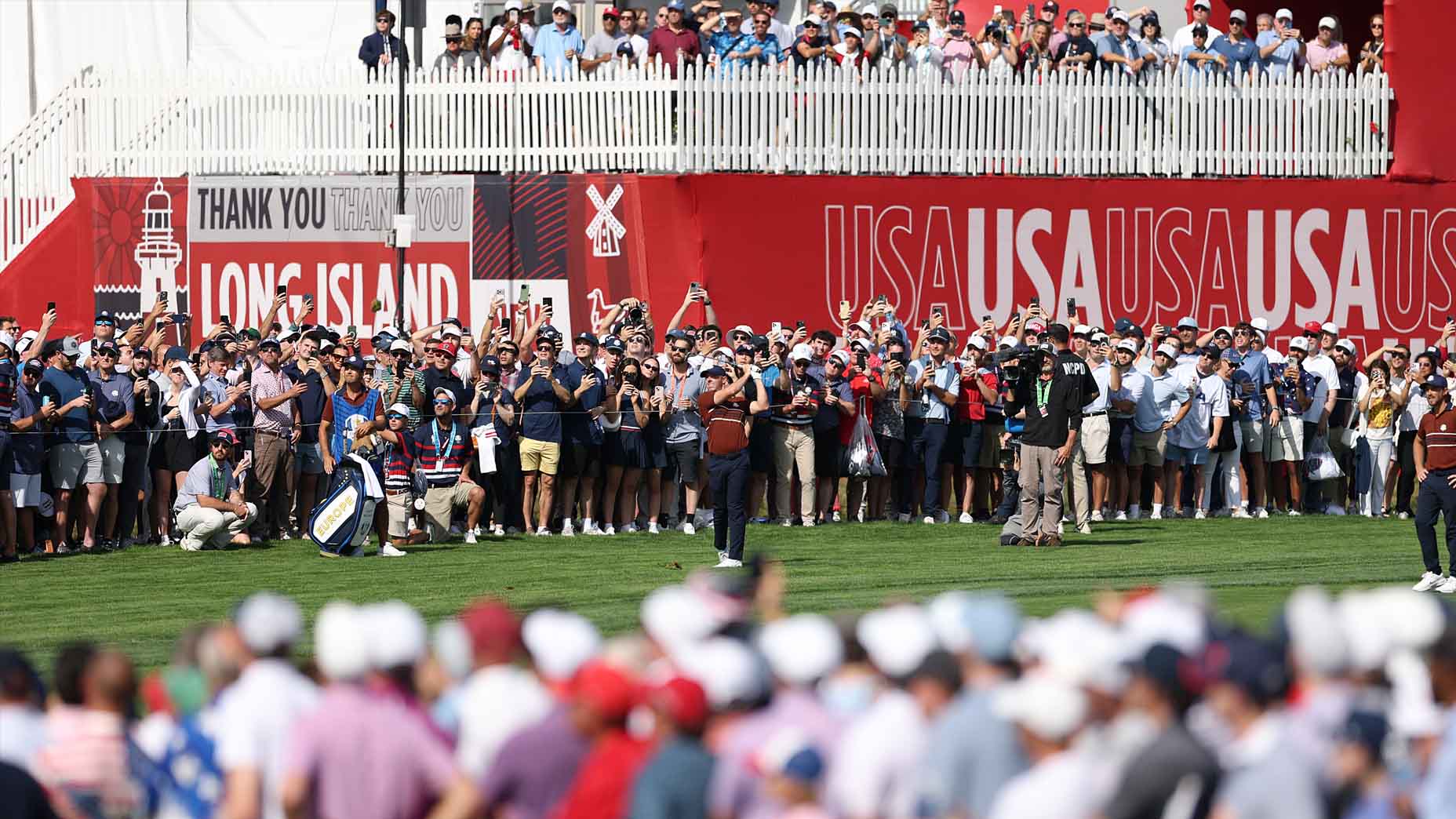
The Ryder Cup at Bethpage in 2025 was anticipated as a grand celebration of the sport. However, Saturday’s events evolved into a spectacle that mirrored an online battleground rather than a classic golfing rivalry. As fans gathered at the iconic course, frustration simmered, leading to behavior that shocked many watching from home. The moment was supposed to shine a spotlight on the brilliance of golf but instead precipitated chaos. The combination of high stakes and high spirits spiraled into an environment that no one anticipated, prompting urgent conversations about the ethics of golf fandom.
Competing Expectations
For years, golf aficionados eagerly awaited the Ryder Cup at Bethpage, a venue beloved by enthusiasts for its rich history and challenging layout. While the anticipation was palpable, Saturday’s chaos squandered the day’s potential and sullied the event’s reputation. With crowds emboldened by a lack of decorum and fueled by excessive alcohol, the atmosphere tainted what should have been a celebratory atmosphere. The chaotic behavior of some fans, particularly directed at Rory McIlroy, raised questions about crowd dynamics and how they can occasionally overshadow the games themselves.
Analyzing the Crowd’s Behavior
One of the most troubling aspects of the Bethpage experience was the behavior of the fans. Instead of showcasing sportsmanship and camaraderie, their actions reflected a darker tendency online: to revel in negativity for the sake of entertainment. The vitriol directed at McIlroy exemplified how a handful of individuals can influence a crowd, transforming what should have been a spirited competition into a lamentable scene. Conversations about the psychology of crowd behavior underscore an urgent need to address how passion can morph into toxicity.
Reassessing Bethpage
As the uproar quieted down, many began taking aim at Bethpage itself, questioning its suitability for future golf events. Accusations of elitism and golf’s gatekeeping became more pronounced, as some argued that incidents like these reinforce stereotypes about golf being a sport best suited for affluent audiences. However, such rhetoric misses a crucial point: the issues raised during the coverage of the Ryder Cup need to be examined in depth, rather than focusing squarely on the venue.
Beyond Just One Event
The backlash against Bethpage and its crowds could easily become misplaced blame. While this Ryder Cup was marred by a chaotic environment, the challenges facing golf extend beyond one tournament and relate to systemic issues within the sport. Factors such as commercial pressures, hospitality tactics, and fan behavior at various tournaments must be scrutinized. Without addressing these underlying causes, we risk repeating past mistakes, not just at Bethpage but across the golfing landscape.
The Financial Incentive Dilemma
There’s no denying that the lucrative nature of hosting large-scale events feeds into the problems witnessed at Bethpage. While the PGA of America benefited financially, the result was a crowd atmosphere that spiraled out of control. Revenue-driven strategies often prioritize profit over creating a healthy and respectful fan environment, ultimately affecting the delicate balance that makes tournaments magical. We must ask ourselves: at what cost does financial gain come if it threatens the very essence of golfing tradition?
The Role of Social Media
In the wake of the tumultuous events, social media erupted with reactions, intertwining discussions of outrage and virtue-signaling. This dynamic complicates the dialogue surrounding the sport, creating an echo chamber presided over by extremes, where outrage often overshadows thoughtful discourse. Fans and commentators must strive for more nuanced conversations rather than falling prey to the binary divide that social media proliferates. This transformation could be vital for charting a thoughtful course forward for the sport.
The Need for Improvement
The distressing turnout at the Ryder Cup is not merely a cautionary tale but rather a wake-up call. The sport of golf possesses the potential to be a force for good, but it requires collective action to safeguard its ethos from degradation. Initiatives that prioritize civility, respect, and dignity can transform the spectator experience, and the time to act is now. Addressing what went wrong at Bethpage is essential for preventing the recurrence of such behavior in future tournaments.
The Path Forward: Unity and Determination
As we reflect on the tumult of 2025, it becomes evident that collective responsibility lies with all stakeholders in the golf community. Fans, organizers, players, and even broadcasters must commit to fostering a more dignified environment. Whether it’s by maintaining higher standards during events or encouraging positive fan interactions, we must champion the core values that make golf a cherished sport.
Conclusion: Breaking the Fever
The lessons from Bethpage serve as an urgent reminder for the golf community. As we look to the future, let’s embrace the ideals and virtues that define the game. By prioritizing civility and respect, we can turn a page on the tumultuous chapter of 2025 and ensure that future events celebrate the sport we love. Ensuring that golf remains a haven of decorum, respect, and competition will take effort and intention—qualities we need now more than ever.
For ongoing updates and more insights into the world of golf, engage with our community and join the conversation. Together, we can cultivate a positive future for golf, ensuring that events like the Ryder Cup reflect the pure joy of the game.


