








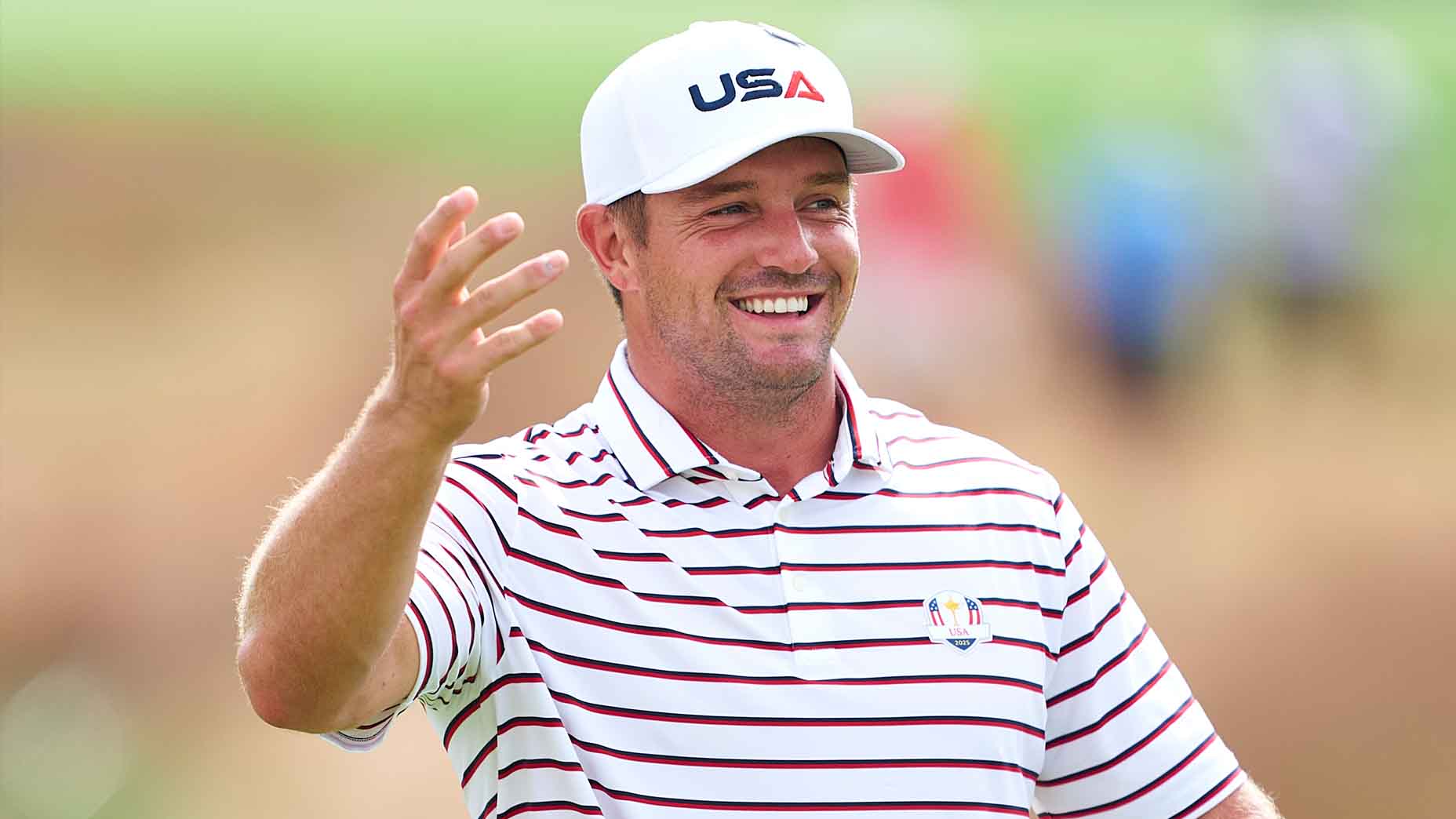
The Evolving Narrative of Bryson DeChambeau in Golf
Bryson DeChambeau has become synonymous with both brilliance and controversy in the world of professional golf. Initially, his rise to fame was often marked by discomfort when navigating through public scrutiny, particularly during his rivalry with Brooks Koepka. However, his transition to LIV Golf has sparked a notable change in his approach to the spotlight. DeChambeau has learned to embrace his role as a polarizing figure, understanding that negative attention can be just as beneficial as positive when it comes to growing his brand and influencing the sport.
Embracing the Spotlight
DeChambeau’s perspective on attention has shifted dramatically. Once burdened by negative perceptions and heckling, he has now embraced the fact that “attention is currency.” This mindset has allowed him to engage with fans more dynamically, especially through his YouTube channel, which aims to inspire the next generation of golfers. His comments ahead of the Ryder Cup illustrate his willingness to engage in banter—fueling interest in both his personal brand and the tournament itself, demonstrating that he sees attention as a means to promote his vision.
Rivalries and Relationships
His recent interactions with Rory McIlroy further shed light on his evolving philosophical approach. McIlroy has often critiqued DeChambeau’s need for attention; however, DeChambeau seems to take these remarks in stride. When asked about McIlroy’s comments, he emphasized the positive aspects of engagement, noting his desire to create good-natured competition that keeps the sport invigorated. This is a shift from past interactions where tension was palpable; now, DeChambeau views such rivalries as opportunities for growth.
Chamblee’s Critique and DeChambeau’s Response
Brandel Chamblee, a prominent voice in golf analysis, remains skeptical of DeChambeau’s motivations and approach. Chamblee criticized him for focusing on his YouTube channel instead of the camaraderie of the Ryder Cup. Yet, DeChambeau handles such critiques with grace, asserting that the online engagement he fosters is ultimately beneficial for golf. His steadfast focus on promoting the sport resonates deeply with a younger audience, further emphasizing the need for innovative approaches in traditional games.
Team Dynamics and Individuality
Despite some criticisms, DeChambeau’s teammates have refuted the notion that he is a “captain’s nightmare.” They commend him for his golf prowess and his unwavering team-first mentality. This highlights a growing divide between perceptions from analysts and his on-the-ground contributions in team settings. As golf continues to evolve, understanding the dynamics between individuality and teamwork becomes crucial for success on the course.
The Role of Entertainment in Golf
One of DeChambeau’s significant contributions to golf is treating competitive play as a form of entertainment. He believes that the spectacle surrounding tournaments should be celebrated rather than critiqued. His acknowledgment that raising interest in golf is paramount indicates a progressive mindset that could spark greater engagement across demographics. The merging of sport and entertainment must not be viewed as a detriment but as a necessary evolution in the modern age.
Subscription Numbers and Authenticity
Critics often raise questions about the authenticity of DeChambeau’s online following, particularly his YouTube metrics. However, he counters these claims by emphasizing the verification process necessary for subscriptions. He believes that these interactions—both positive and negative—spur dialogue about the game of golf, which is essential for its growth. His confident demeanor in discussing these metrics reflects an understanding that all publicity can lead to greater visibility.
Shifting Perceptions in Professional Golf
The narrative surrounding professional golf is gradually evolving, with players like DeChambeau at the forefront. By navigating his polarizing status and engaging with critics, he embodies a new wave of athletes who capitalize on social media and personal branding. This shift allows for broader conversations about the game, breaking away from traditional modes of discourse that often lack engagement.
The Future of Golf and Its Stars
As DeChambeau continues to navigate his career, his role as a controversial but vibrant personality indicates a future where players are both athletes and entertainers. The connections forged through social media can shape the sport’s trajectory, attracting a diverse audience drawn to more than just the game. DeChambeau’s approach might serve as a blueprint for future golfers looking to carve out their own identities.
Conclusion: The Value of Every Eye
Ultimately, DeChambeau’s journey signifies that attention, regardless of its nature, can serve as a catalyst for growth within professional golf. He reminds us that whether through rivalry, entertainment, or innovative outreach like YouTube, the focus should be on promoting the sport. As he embarks on this path, the golf community may witness an exciting transition that embraces change and welcomes new fans into the fold. The engagement between players, fans, and media is critical in redefining how golf is perceived and enjoyed in the years to come.


