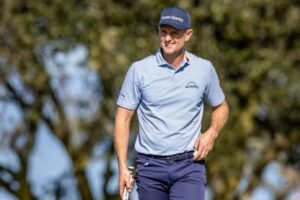






Professional Golf News: LIV Players and the Future of Bryson DeChambeau
Last week in professional golf was dominated by significant developments that may reshape the landscape of the sport, particularly regarding the ongoing tension between the PGA Tour and LIV Golf.
PGA Tour Welcomes LIV Players
On Monday, the PGA Tour announced a new Returning Member Program, offering a pathway back for four select LIV players. Among them, Brooks Koepka has opted to rejoin the Tour and is expected to compete later this month. Opinions on the penalties associated with this return vary widely; however, many analysts, including myself, find them relatively lenient.
Deadline for LIV Players
The other three players—Bryson DeChambeau, Jon Rahm, and Cameron Smith—were given until February 2 to decide whether to take the opportunity to return. This led to rampant speculation regarding the future of LIV Golf and whether we might see a mass migration of players back to the PGA Tour.
Less than a day later, clarity emerged when all three players publicly reaffirmed their commitment to LIV Golf, citing contractual obligations and family commitments as factors for their decision.
Underwhelming Press Conference Responses
During the press conference, DeChambeau and Rahm appeared less than enthusiastic about their decisions, with both sounding somewhat constrained by their contractual commitments. On the other hand, Cameron Smith offered a strong statement of confidence in his future with LIV, asserting his excitement for the coming years.
DeChambeau noted, “I’m contracted through 2026, and my team is in discussions about long-term solutions.” However, with just one year left on his contract, his future remains uncertain.
The YouTube Viability
DeChambeau’s potential path raises the question: could he transition to a full-time YouTube content creator? He has averaged 22 million views per month, boasting over 2.5 million subscribers, and is estimated to generate around $800,000 annually from ad revenue alone. This figure does not include his partnerships with major brands like Reebok, Rolex, and NetJets, among others.
Major Exemptions and Competitive Edge
Importantly, DeChambeau maintains exemptions for prestigious tournaments through 2029, including the Masters, PGA Championship, and Open Championship. This positions him favorably should he choose to step away from full-time tour commitments while still having opportunities to compete at the highest levels.
The Independent Player Model
Could a shift towards independence be the future of professional golf? DeChambeau, as a top player, has the option to shape his own schedule, possibly akin to a collegiate independent team in football. He could leverage his significant following and experience to host or participate in unique events, creating a new avenue for golfers to engage with fans outside of traditional tour frameworks.
The Legacy Question
If DeChambeau prioritizes his legacy over financial gain, a strategic retreat from official tours could become a landmark moment in golf history. He could position himself as the first high-profile golfer to depart from the established norms, challenging the status quo within the sport.
Conclusion
In summary, the recent developments among LIV golfers and the PGA Tour mark a pivotal moment in professional golf. The increasing prominence of platforms like YouTube and the evolving landscape of competitive golf may very well lead us to a future where independence becomes a legitimate and viable path for professional athletes.
As the golf world watches closely, the next few months may reveal whether the independence model will resonate with other top players and potentially redefine the sport.