








Compact Versus Long Backswing: Which Suits Your Game?
Hey, fellow golf lovers! So, I was hanging out at the range the other day, and I couldn’t help but notice two students hitting balls side by side. One lady, rocking an 8-handicap, swung like a pro on the Golf Channel—long, graceful, and totally textbook. Then there was her buddy, a 16-handicap, doing his thing with a shorter, more compact swing that barely got to parallel. But guess what? He was crushing it straight down the fairway while she was sending balls everywhere but where they needed to go.
She turned to me, a bit frazzled, and asked, “Why can’t I hit it like him?” It was the perfect moment to dive into a topic that so many golfers get stuck on: swing mechanics. After two decades of teaching, one thing I know is this: there’s no “perfect” backswing. What really matters is finding a backswing that clicks with your body, timing, and natural swing tendencies.
With social media blowing up, the obsession with those beautiful full swings has only gotten worse. But here’s the kicker: not everyone needs that dramatic swing to play their best golf. Some golfers thrive with shorter swings, while others need that full motion to unleash their power and keep their rhythm. Let’s break it down and get you swinging like a pro—your way!
Why Compact Swings Work
Alright, let’s get into why a shorter backswing can totally change your game for the better. The truth is, control becomes way easier when you’re not trying to maneuver a club that’s flying past parallel. Your timing improves, and you cut out a lot of the positions where things typically go haywire.
I’ve seen this transformation happen countless times. One of my favorite success stories? A 68-year-old retiree who couldn’t break 90, despite having decent fundamentals. His long, flashy backswing was causing all sorts of chaos with his timing—fat shots, thin shots, you name it. We shortened his swing to three-quarters, and it was like magic! His contact improved instantly. Sure, he lost maybe 10 yards of distance, but he gained a whopping 30 yards of accuracy.
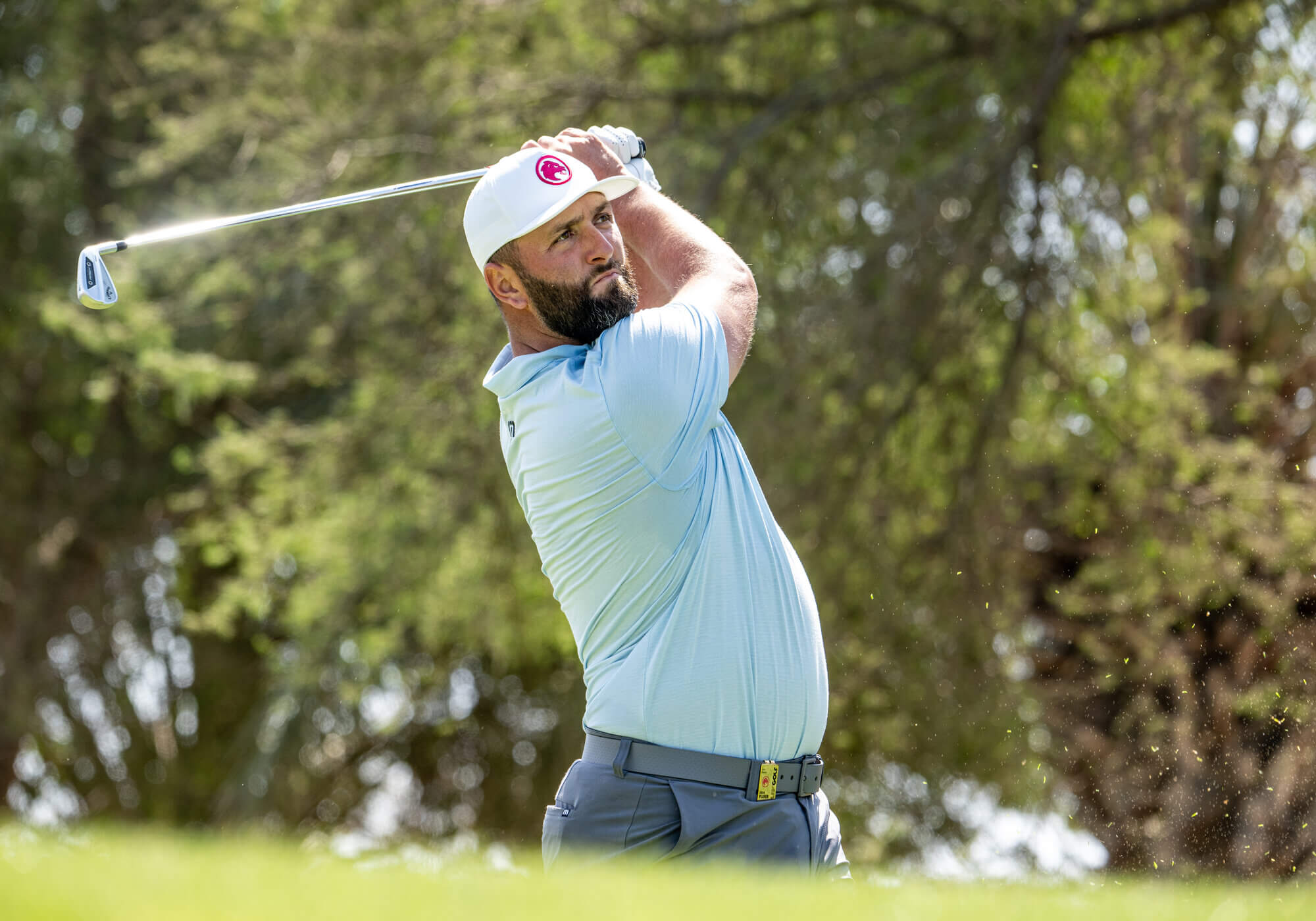
Now, don’t confuse “compact” with stiff or tense. Just look at guys like Tony Finau and Jon Rahm. Those dudes generate insane power from relatively short positions. Their swings are compact yet totally athletic—controlled and aggressive right through impact.
When You Need the Full Swing
Now, let’s chat about those golfers who truly need a full backswing to shine. These are the players with smooth tempos, great flexibility, and natural timing. For them, anything shorter can feel rushed or just plain wrong—kind of like trying to sprint in slow motion.
I once worked with a college player who had been pressured by various instructors to shorten his swing. But his natural motion was long and fluid. You guessed it—the outcome was lifeless, mechanical golf that wrecked his rhythm. Once we restored his full backswing and tweaked a few other aspects, his ball-striking came rushing back like a flood.
A longer backswing can also really help out golfers trying to build clubhead speed. If you’re not the strongest or most flexible, that extra length gives you the time and space to generate some serious momentum through the hitting zone.
Find Your Natural Length
Here’s the kicker: one of the biggest mistakes golfers make is mimicking what they see on TV or social media. Remember, those tour players have spent years crafting swings that work with their unique capabilities and competitive demands. Your swing should be a reflection of you and your goals.
What’s even more crucial than how far back the club goes? It’s the relationship between your upper body turn and hip rotation. I’ve seen golfers obsess over getting that club to parallel when they should be focusing on making a full shoulder turn while keeping their hip turn a bit restricted. This “coil” is actually what creates the power and consistency they’re chasing after.
Consider this: whether your club reaches parallel, goes past it, or stays a bit shorter, it doesn’t matter if your upper body isn’t turning properly compared to your hips. A golfer with a shorter backswing who creates good separation between their shoulder and hip rotation will hit it better than someone with a longer backswing who’s spinning around like a top without any control.
What do I tell my students? Start with what feels natural and then tweak things if necessary. If you’re a long backswing person, don’t fight it unless it’s causing specific issues. And if you find yourself naturally compact, embrace that efficiency instead of trying to stretch for something you don’t need.
Stop Chasing Perfection
Here’s the bottom line: your backswing length should work for your game and not some idealized version of what a golf swing is “supposed” to look like. Compact swings aren’t always superior, and longer swings aren’t necessarily flawed. What really counts is finding a swing length that allows you to make solid contact consistently while packing enough power for your game.
So, throw out the idea of pursuing the so-called “perfect” backswing. It’s time to start perfecting your natural swing. I promise your scorecard is going to look a whole lot better when you focus on working with your own tendencies instead of fighting against them.
In the end, golf is all about finding that sweet spot that matches your unique style and abilities. The more you embrace your natural swing—whether it’s compact or lengthy—the better you’re going to play. After all, golf is a game of confidence and comfort!
Understanding Timing and Rhythm
As you start to embrace your unique swing, remember that timing and rhythm are crucial. A shorter backswing often leads to better timing. When you’re not trying to force a long backswing, you can focus on making clean, fluid motions through the swing sequence. This brings out your rhythm, leading to more consistent strikes and stress-free rounds.
If you’re a visual learner, pay attention next time you hit the range. Notice how different backswing lengths impact your timing and feel. Those perfect shots? They usually come from a swing that matches your natural rhythm.
Keeping the groove means being mindful of your swing at every practice session. Work on syncing your turns with your movements, feeling the flow of your natural rhythm—this is how you become one with your golf swing!
Analyzing Your Best Shots
Take a moment to reflect on your best shots. When you crush one down the fairway or sink a long putt, what did that backswing feel like? Most golfers have a pretty good idea of their optimal swing length; they just need a little nudge to trust it.
If you know you feel great with a particular backswing length, lean into that. Record your sessions, analyze your swings, and find what works best for you. This is a journey, and the road to discovering your ideal backswing is much more rewarding than chasing after an “ideal.”
Final Thoughts: Own Your Game
In the end, the key is to own your game and your swing. Whether you’re swinging it compact or going full throttle, what matters is that you’re making solid contact and having a blast on the course. Remember, golf isn’t just about the mechanics—it’s also about the joy of the game.
So next time you’re at the range or stepping up to the tee, keep in mind that there’s no one-size-fits-all approach. Embrace your unique swing, and trust in your ability to adjust it as needed. All this focus on finding what suits you will lead to better shots and lower scores. Now get out there, enjoy the game, and happy golfing!
And there you have it—a comfy, casual chat about your swing. Now go out there and own it, one shot at a time!


