







Why Rory McIlroy is Skipping the Memorial Tournament: A Closer Look
Introduction: Rory McIlroy’s Impact on Golf
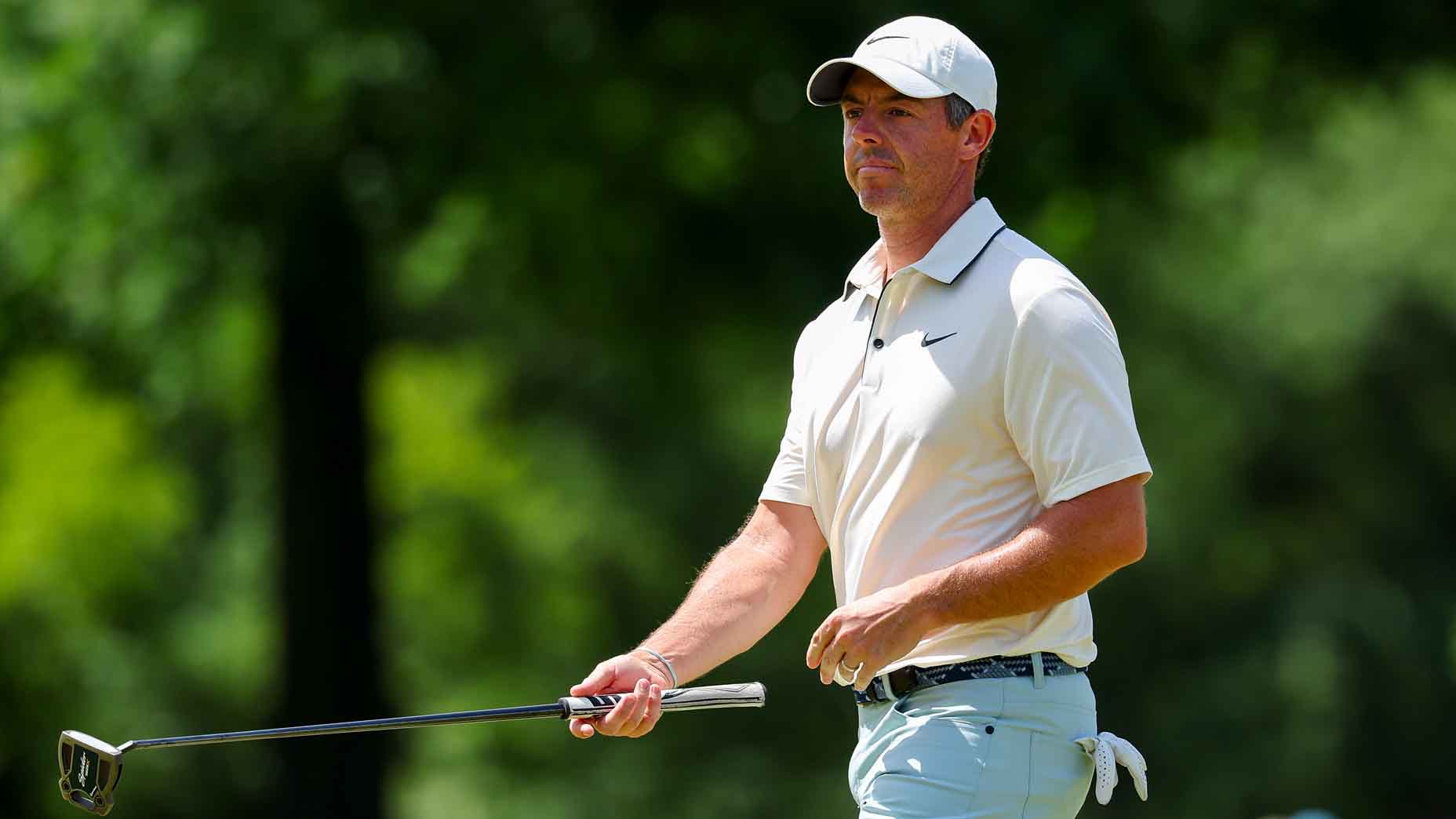
Rory McIlroy, the World No. 2 golfer, recently made headlines by opting out of the prestigious Memorial Tournament for the first time since 2017. Nicklaus, who founded the tournament, expressed his surprise at McIlroy’s decision during a pre-tournament press conference. This article examines the significance of McIlroy’s absence and the implications for the PGA Tour and golf as a whole.
The Shock Factor: McIlroy’s Decision
Jack Nicklaus discovered McIlroy’s decision to skip this year’s Memorial Tournament at the same time as the general public. This caught Nicklaus off guard, particularly given the importance of the event and McIlroy’s history at Muirfield Village. However, despite the initial shock, Nicklaus chose not to criticize McIlroy, understanding that every player has unique schedules and commitments.
A Shift in Scheduling Philosophy
McIlroy has been vocal about his intention to play fewer PGA Tour events as he prioritizes his schedule strategically. He has already skipped several Signature Events this season, including the season-opening Sentry Tournament and the RBC Heritage. This raises questions about the future of the Signature Event model and whether it needs reevaluation. McIlroy’s absence highlights a broader trend where golfers are more selective about their participation in tournaments.
The Greater Picture: McIlroy’s Tournament Impact
While some may criticize McIlroy for missing the Memorial, his absence has sparked a conversation about the importance of star power in elevating less popular events. Although McIlroy’s presence is missed at the Memorial, tournaments like the Houston Open and the Zurich Classic benefit significantly when he participates. McIlroy’s strategic choices ultimately reflect his aim to enhance the stature of various events, creating a more balanced competitive landscape.
Planning Ahead: McIlroy’s Future Schedule
Last year at the Tour Championship, McIlroy hinted at his revised scheduling strategy. He initially planned to skip several tournaments, including the RBC Heritage and the FedEx Cup Playoffs. Among added events is the anticipated Travelers Championship following the U.S. Open at Oakmont. By carefully selecting tournaments, McIlroy aims to keep both his performance and the spectator interest high.
The Global Perspective: McIlroy’s Influence
McIlroy’s commitment to promoting golf worldwide is evident through his participation in various international tournaments. He plays on the DP World Tour and has committed to events like the Hero Dubai Desert Classic and the Irish Open. His global approach contributes to making professional golf more accessible and engaging outside the United States, enhancing the sport’s international appeal.
A Balancing Act: Quantity vs. Quality
The current Signature Event model faces scrutiny, particularly as top golfers like McIlroy balance the number of tournaments they participate in. McIlroy’s decision to skip the Memorial could be viewed as a tactical move to maintain his performance levels, particularly ahead of major championships. However, it also raises the question of whether fewer Signature Events might serve the sport better in the long run.
The Future of Signature Events
As McIlroy and other top golfers navigate their schedules, the PGA Tour must consider the implications of their decisions. While McIlroy’s absence at the Memorial might sting, it is certain that the tournament will still attract elite players, including Nicklaus’ influence and a star-studded field. Nonetheless, the balance between elite appearances and the development of emerging events could define the trajectory of the PGA Tour’s future.
Conclusion: The Bigger Picture
Rory McIlroy’s choice to skip the Memorial Tournament exemplifies a larger trend in professional golf, where players are more intentional about their schedules. As golf continues to evolve, the decisions made by star players shape both public perception and the tournament landscape. McIlroy’s attempts to prioritize his schedule for better performance and global outreach contribute significantly to the sport’s ongoing development.
Closing Thoughts
While Rory McIlroy’s absence at the Memorial Tournament creates voids in star representation, the enduring impact of his strategic scheduling choices paves the way for a more balanced and engaging golf landscape. As the PGA Tour contemplates the implications of the Signature Event model, McIlroy’s approach may serve as a guiding light that emphasizes quality over quantity in the world of professional golf.


