








Team USA’s Ryder Cup Setback: A Thorough Analysis of Failings and Future Prospects
The recent Ryder Cup has sparked intense discussions regarding Team USA’s performance, revealing a plethora of questions about strategy, player dynamics, and leadership choices. As we dissect the events that transpired over the weekend, it’s essential to reflect on critical aspects, including course setup, captaincy, and individual player performance—particularly focusing on the enigmatic Scottie Scheffler.
The Course Setup: A Tactical Misstep for Team USA?
From the outset, the Ryder Cup presented a challenging environment for Team USA. Many experts have pointed out that the course layout may have favored the Europeans, who seized the opportunity presented to them. There are claims suggesting that the PGA of America might have miscalculated the course setup. Did they tailor the greens and fairways in a way that played into the strengths of European players?
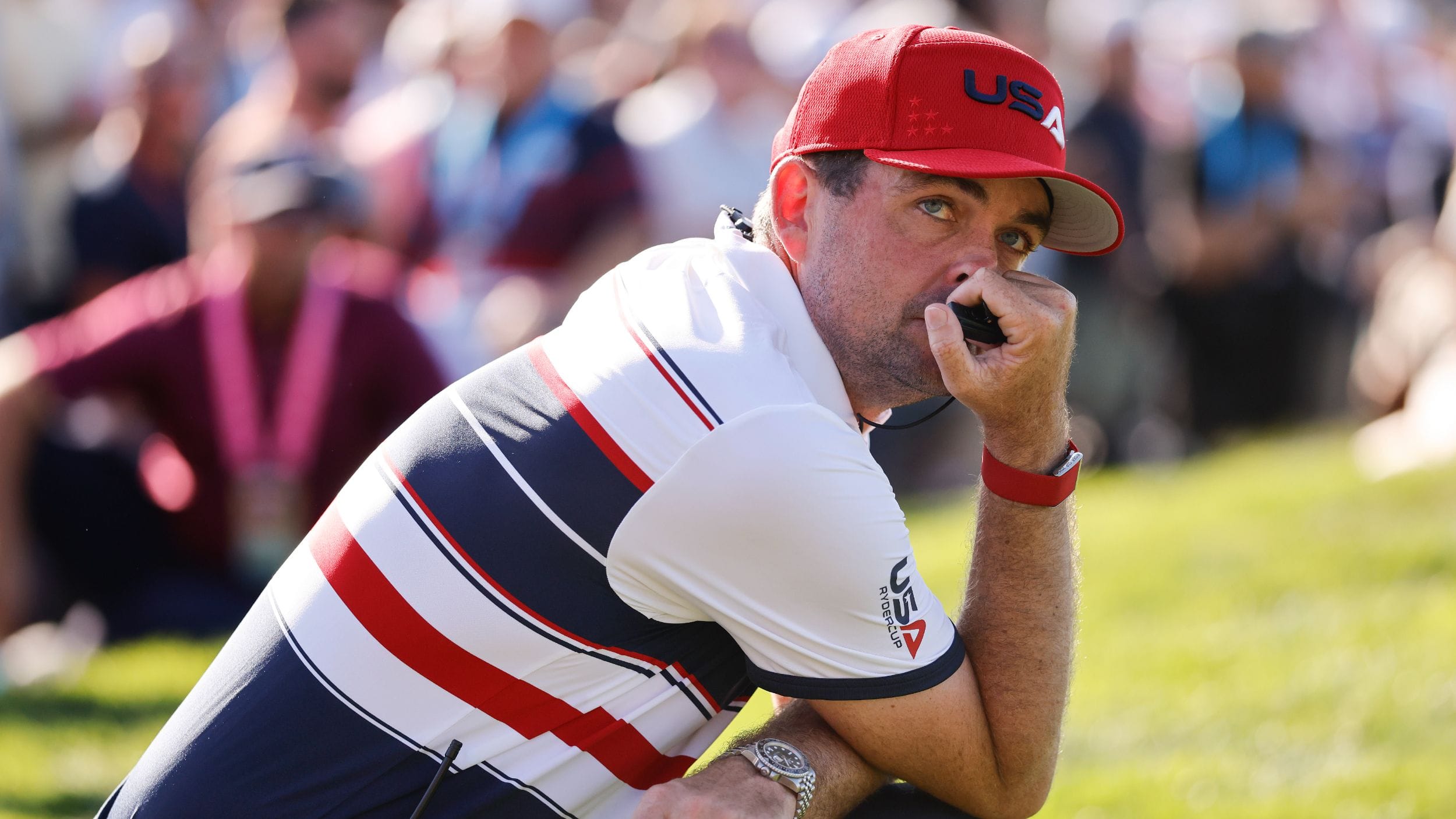
Finding the right balance in course design is paramount for any successful tournament. Keegan Bradley, the US captain, expressed his regret about specific choices made in the setup, implying that a different strategy could have provided his team with a fighting chance. Going forward, it’s essential for the PGA to conduct a thorough assessment of course conditions before finalizing future layouts, especially as they prepare to host the next edition at Hazeltine.
The Case for Keegan Bradley: An Uncertain Leadership Role
Keegan Bradley’s appointment as captain was met with surprise given his lack of previous leadership experience. Many questioned whether he was the right choice, particularly since they couldn’t secure a more seasoned candidate like Tiger Woods. The disparity in preparation between Team USA and Team Europe was palpable, as the latter had already established their captain—Luke Donald—months ahead of the competition.
Bradley’s inexperience showed during critical moments of the event. While he has shown passion and commitment, one cannot ignore the fact that he lacked the experience necessary to guide a team facing this level of pressure. Going forward, officials need to reevaluate the selection process, casting a wider net when considering future captains to ensure that they have the requisite experience to lead.
The European Edge: What Contributed to Their Victory?
The Ryder Cup always brings forth rivalries and competitive spirit, but this year’s edition highlighted a significant fact: the European team has adapted to performing under pressure on US soil, securing their first victory in 13 years. Yet, it wasn’t merely their skill that led to success; it was the fine margins that played a critical role.
One contributing factor was the effectiveness of their putting. European golfers consistently seemed to make more critical putts than their American counterparts. Bradley himself admitted the importance of this aspect in his post-match analysis, indicating that putting could be an area to focus on for Team USA moving forward.
A Troubling Trend: Scottie Scheffler’s Struggles
While many aspects of Team USA’s strategy will be scrutinized, the case of Scottie Scheffler stands out. As the world’s top-ranked golfer leading into the event, expectations were sky-high. Nevertheless, Scheffler’s performance fell short, as he finished with zero points from four matches prior to the Sunday singles—a stark contrast to his record of five titles during the year, including two majors.
The perplexity surrounding Scheffler’s performance during match play continues to baffle fans and analysts alike. Historically, he has struggled in this format, even during his amateur days. Given his immense talent and success on tour, how can Team USA harness that potential in future matches?
Analyzing Potential Solutions: Bridging the Gap in Match Play
To address the growing concern over Scheffler’s inconsistent performances in match play, a multi-faceted approach is necessary. First, understanding the differences in formats is crucial. Unlike the normal stroke play, which allows players to accumulate points over several days, match play requires quick adjustments and a mental fortitude that seems to be lacking in Scheffler’s case.
Team USA must work closely with Scheffler to refine his mental game, with particular emphasis on match play tactics and psychological preparation. By nurturing players’ mental resilience and adapting their strategies, the US could more effectively convert their in-season triumphs into Ryder Cup success.
Learning from the Defeat: What’s Next for Team USA?
Despite the disappointment stemming from a 15-13 loss, it’s crucial to examine this setback not as a catastrophic failure but as an opportunity for growth. A reflection on various aspects, such as course setup, captain selection, and individual player performance, reveals that while changes are needed, the roots of excellence are still very much present.
To leverage the experience gained from this defeat, the PGA should put more emphasis on preparing for future matches. This includes evaluating the course setup with a critical eye, selectively choosing the next captain based on a comprehensive set of criteria, and instilling greater match play focus among all team members, particularly key players like Scheffler.
Adapting Strategy for Hazeltine: A Roadmap Forward
Looking ahead to the next Ryder Cup at Hazeltine, the US team has ample time to prepare and redefine its strategy. Future leadership decisions should take into account proven success in high-pressure environments, while also considering players’ capability to adapt to varied formats.
Creating a development program that focuses specifically on fostering match play skills among players could pay dividends. The PGA should prioritize tactical discussions that will enhance players’ skills not just as individual competitors, but as members of a cohesive team performing in a high-stress context.
The Power of Team Unity: Cultivating Chemistry and Roster Synergy
The importance of team dynamics cannot be understated, particularly in a unique format like the Ryder Cup, where camaraderie plays an essential role in performance. Ensuring that the players communicate openly and build rapport during practice rounds can translate to heightened success on tournament day.
Future training camps can incorporate team-building exercises designed to strengthen relationships among players, enhancing their ability to support one another throughout both practice and the competition itself. Constructing a unified team culture will be an invaluable asset as Team USA strives for redemption in two years.
Toward a Brighter Future: Embracing Lessons Learned
In conclusion, while the 2023 Ryder Cup presented significant challenges for Team USA, it also offered a wealth of learning experiences. By focusing on areas for improvement—ranging from course setup and leadership selection to fine-tuning match play strategies—the US can channel its disappointment into actionable objectives for the future.
Armed with these lessons and a renewed strategy, Team USA can pivot successfully, turning setbacks into opportunities. The next showdown in Adare Manor could serve as a crucial moment for the team to rectify their course and return to their glory years in international golf competition.


