








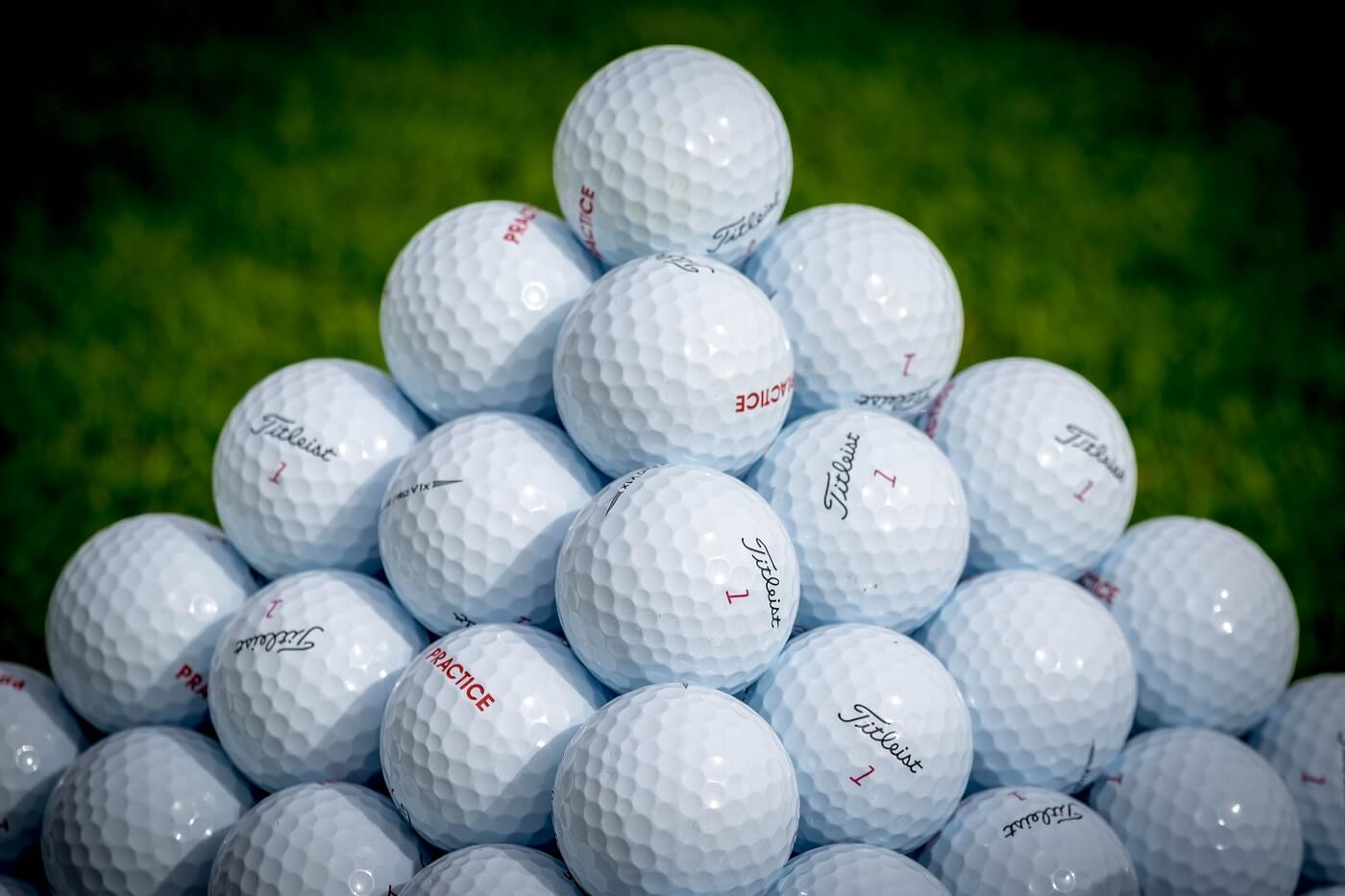
When it comes to finding the right golf ball for your game, wedge work is essential in determining if a specific ball is suitable. Robotic testing data can provide valuable insights that may be overshadowed by marketing tactics, which can be particularly helpful when faced with numerous ball choices. Golf ball testing typically requires time, access to a proper short game area, and multiple rounds on the course, making it a daunting task for many golfers who prefer to opt for budget-friendly options. However, for those interested in conducting ball testing without going through an extensive vetting process like professional golfers, there are simpler strategies to follow.
One effective way to start ball testing is at the short game area, dropping balls around 40 to 50 yards from the green. This distance is crucial for determining a ball’s performance, especially in terms of flight, control, and landing. For most tour players, the 40-yard wedge shot is the defining factor in choosing a ball. GOLF and Golf Laboratories collaborated on a golf ball testing project using a swing robot, which revealed significant spin rate differences between wedge and driver shots. Knowing how a ball performs in the short game and prioritizing it during testing can provide valuable insights.
Out of the 40 balls tested, the majority exhibited a spin rate above 6,300 RPMs on the wedge shot, indicating adequate spin for wedge play. Balls with a urethane cover typically offer better greenside spin, whereas those with a firmer Surlyn cover sacrifice spin for distance. For golfers looking to enhance their short game performance, investing in a ball with urethane cover is recommended. It’s essential to consider the benefits of a ball that can react and stop on the green, especially considering the frequency of wedge shots in a round.
While the driver is often seen as the most glamorous club, the impact of a ball on generating distance may be overrated. The spin rate differences between high and low spinning balls with the driver were minimal in the testing. The key is to find a ball that works well with every club in the bag, with an emphasis on selecting one that complements your wedge shots. When making a decision about which ball to use, it’s crucial to focus on performance rather than marketing claims. Understanding the data and choosing a ball that aligns with your playing style and needs can ultimately enhance your overall game.
Ultimately, the choice of a golf ball should be based on performance, particularly in crucial areas like the short game. By prioritizing aspects such as spin rate, control, and landing characteristics, golfers can select a ball that aligns with their game and enhances their scoring potential. Whether opting for a ball with a urethane or Surlyn cover, the goal is to find a ball that offers the right balance of distance and greenside spin. With the wealth of data available from robotic testing and expert insights, golfers can make informed decisions and improve their game by selecting the right golf ball.


