






Weekend 9: A Deep Dive into Keegan Bradley’s Ryder Cup Selections
Welcome to the "Weekend 9," a space designed to set you up for an exciting Friday, Saturday, and Sunday filled with sports insights, updates, and analysis. In this edition, we focus on Keegan Bradley’s recent press conference, his captaincy choices for the upcoming Ryder Cup, and what they signify for Team USA.
The Background: Keegan Bradley’s Dilemma
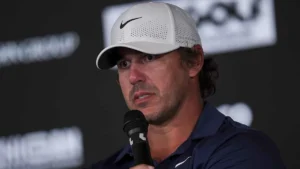
On Wednesday, Keegan Bradley’s captain’s picks for the Ryder Cup stirred plenty of discussion in the golf world. His remark, “I’m glad it’s over,” encapsulated a blend of relief and apprehension following a taxing decision process that involved selecting six players to represent the United States at the Ryder Cup at Bethpage Black. This moment marks a pivotal junction for Bradley, one filled with both gravity and excitement as he prepares to lead Team USA into a high-stakes competition.
Analyzing Bradley’s Choices
With the blend of anxiety and joy palpable in his voice, the pressing question remains: How successful were his choices? While Bradley selected a strong lineup, it’s essential to dissect his selections and understand the rationale behind them. Let’s grade his decisions while considering alternate scenarios, weighing their reputations, form, and performance metrics.
The Big Decision: Not Picking Himself
One of the most notable decisions was Bradley’s choice not to include himself on the player roster. He stated, “I was chosen to be the captain of this team, and my ultimate goal was to be the best captain I could be.” This sentiment highlighted his commitment to team dynamics over personal ambition. Evaluating this choice, we assign it a commendable B-plus.
Alternative Options
-
Self-Inclusion as Player-Captain: Would it have been better if Bradley had selected himself while still maintaining captaincy? This approach could be rated a B, blending leadership with gameplay responsibilities.
-
Delegating Responsibilities: Alternatively, Bradley could have selected himself while delegating captain duties. This would have received an A, diminishing the risk while still keeping him in a leadership position.
- Turning Down the Position Entirely: The option to reject the captaincy altogether would have also ranked a B, because of the profound opportunity lost for both personal and professional fulfillment.
Analyzing Player Selections
Bradley’s final choices included Justin Thomas, Collin Morikawa, Ben Griffin, Cameron Young, Patrick Cantlay, and Sam Burns. Each player brings unique strengths that complement Bradley’s vision of a cohesive unit. A crucial question arises—who could have been excluded from the final roster? The tough choices involved weighing the experience of players like Morikawa and Cantlay against rising stars such as Griffin and Young.
Navigating Snubs: Maverick McNealy and Beyond
Bradley faced heat for not selecting promising talents like Maverick McNealy. The captain acknowledged this choice by stating it was a “very difficult call.” The essence of such decisions speaks to a larger narrative about sportsmanship and ambition, where a player’s journey in the sport can be both rewarding and frustrating. McNealy’s time will come, but this decision highlights the competitiveness of securing a Ryder Cup spot.
Formulating a Winning Strategy
Bradley also opted for a strategic approach during the competition, choosing to play foursomes first, followed by four-ball formats on Friday and Saturday. “Getting off to a good start is really important,” he explained. This decision reflects his attentiveness to statistical analysis and player performance, which can be pivotal in creating momentum. Here, we assign a reasonable grade of B, with the anticipation of crowd dynamics potentially influencing outcomes in these formats.
Looking Ahead: More Decisions to Compete
As the countdown towards the Ryder Cup continues, it’s important to note that several other decisions regarding player pairing and strategies remain on the horizon. With further insights expected from Bradley and his vice captains, golf enthusiasts are keen to see how these elements blend into an overarching game plan.
Fan Expectations and Industry Opinions
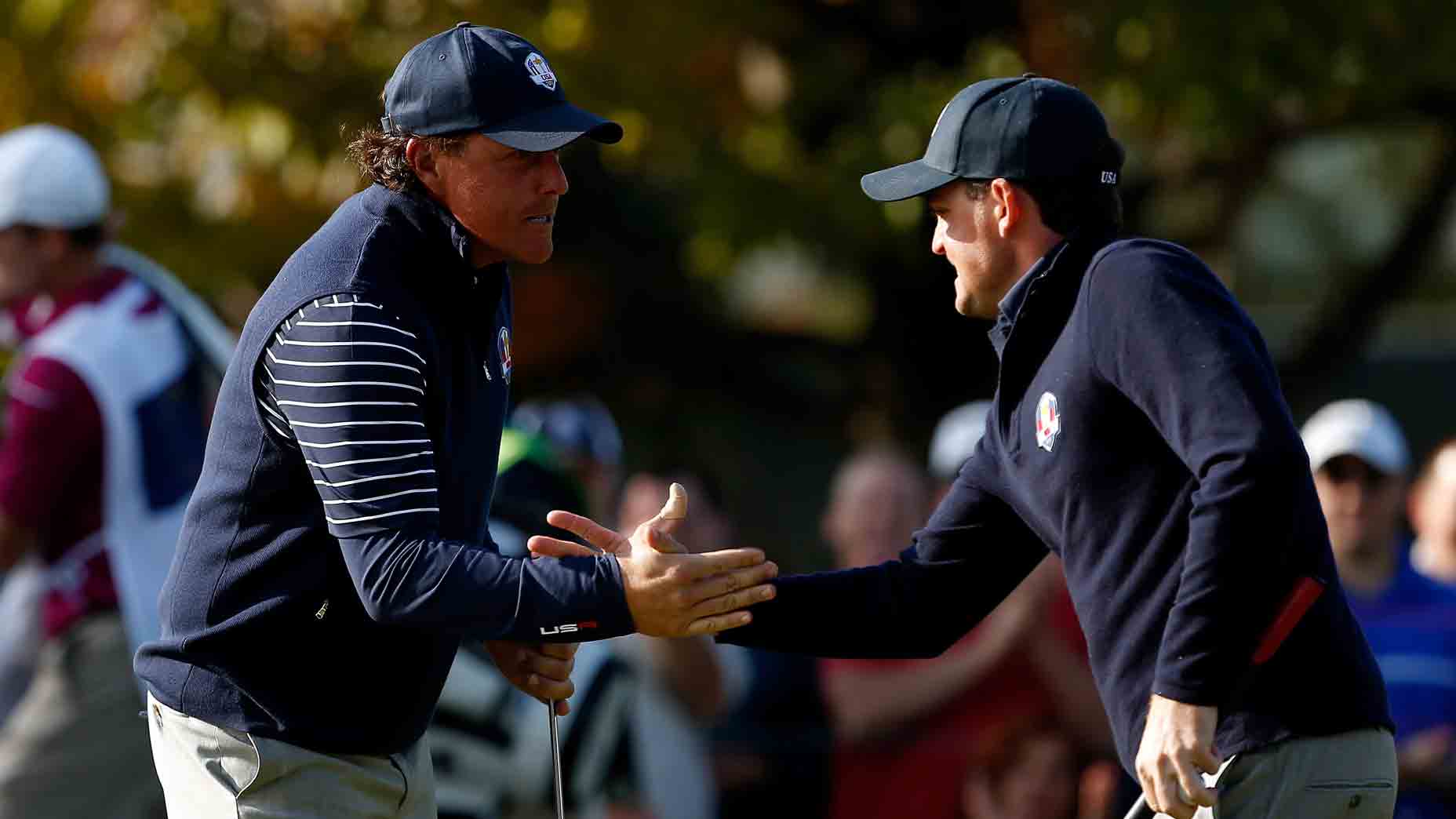
Meanwhile, reactions from industry veterans, such as Phil Mickelson, indicate that Bradley’s leadership style aligns with what is needed for a successful Ryder Cup campaign. Mickelson’s commendation of Bradley’s decisions provides a morale boost, while betting odds listed by Fanatics Sportsbook tilt favorably towards the Americans, who are currently at -140 against the Euros.
Conclusion: Golf This Weekend
As we look towards the weekend, it’s exciting to note the golf line-up on TV. This includes events such as the Omega European Masters and the FM Championship, which promise to capture viewers’ attention. Be sure to tune in!
In conclusion, Bradley’s decision-making has laid a strong foundation for Team USA, complemented by supportive messages from fellow golfers and pundits alike. While it’s hard to predict how these choices will play out in the competitive atmosphere of the Ryder Cup, one thing is clear: momentum is building, and enthusiasm for the tournament continues to grow.
Stay engaged for updates and insights as the Ryder Cup draws closer, and find out how these selections perform on the grand stage!


