








Mastering Your Golf Grip: The Key to Improved Performance
By: Zephyr Melton
June 3, 2025
When it comes to golf, mastering your grip is essential. The grip is literally your only connection to the club, and getting it right can greatly influence your swing and overall performance on the course. In this comprehensive guide, we will delve deep into the intricacies of golf grip technique, specifically focusing on how tightly you should hold your club. With expert insights and practical tips, this article aims to optimize your grip for a successful golfing experience.
Understanding the Basics of Grip
Before discussing grip pressure, it is crucial to understand the fundamentals of a proper grip. Your grip can significantly affect the trajectory, accuracy, and distance of your shots. A poor grip can lead to unwanted slices, hooks, and inconsistent strikes. Recent tutorials have covered various grip types—such as the overlapping, interlocking, and ten-finger grips—to cater to varied playing styles. Selecting the right grip that complements your sub-style is the first step toward a successful game.
The Impact of Grip Pressure
The question of how hard to grip the club might seem trivial, but it can dramatically impact your swing mechanics. A grip that is too tight can create tension, restricting your natural movements and causing you to lose rhythm. Conversely, a grip that is too loose may lead to a lack of control over the clubface, resulting in poor shots. Thus, finding that delicate balance is essential.
Finding the Right Balance
The ideal grip pressure varies per individual, but there are general guidelines to help you find that perfect sweet spot. As Tony Ruggiero, a GOLF Top 100 Teacher, explains, the grip should be firm enough to allow you to control the club while still remaining relaxed. You should feel as if you have a secure hold yet without exerting unnecessary tension throughout your body.
Insights from Legendary Players
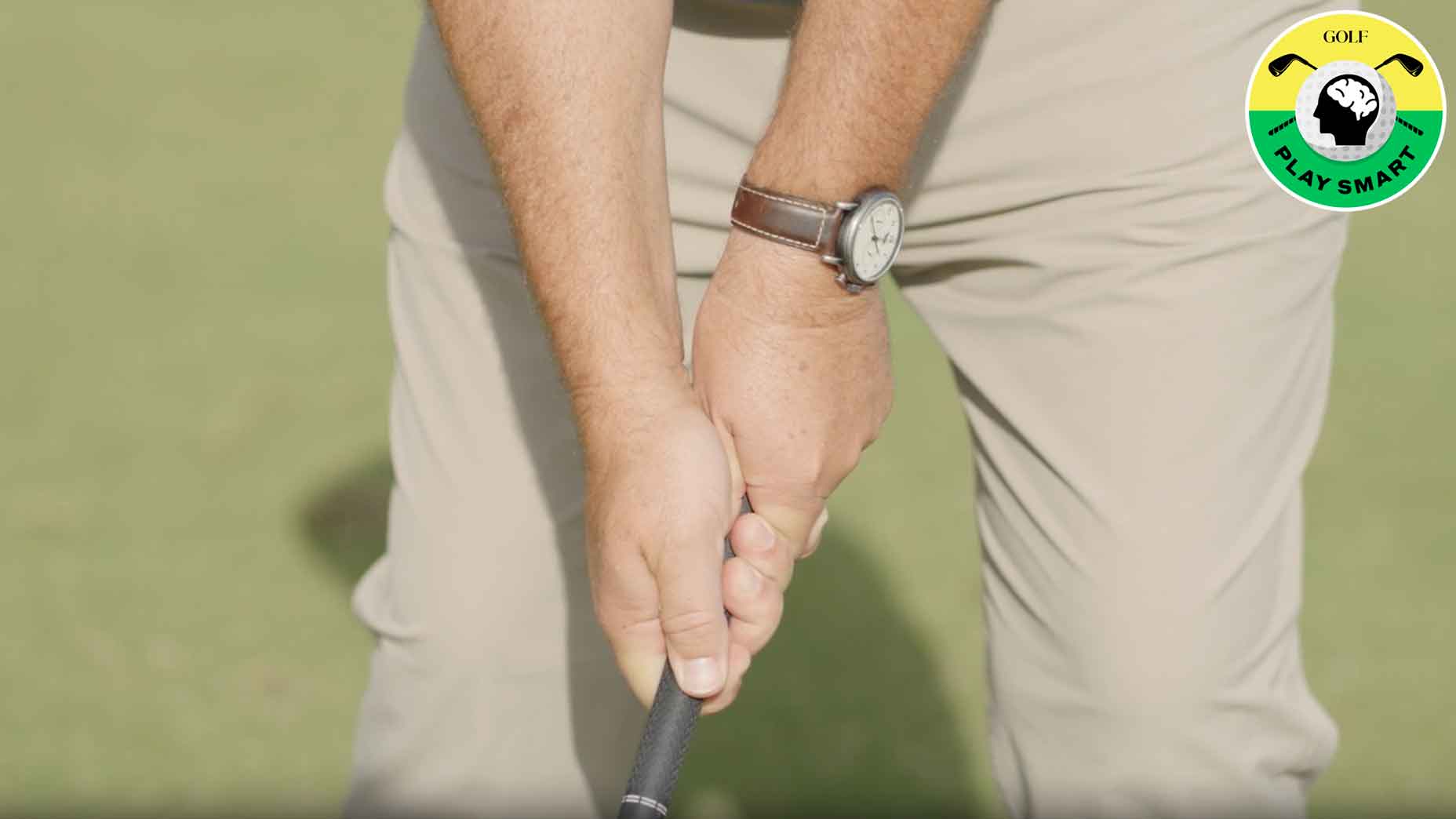
Ruggiero often refers to his discussions with golfing legends such as Ben Crenshaw when teaching grip mechanics. Crenshaw’s mentor, Harvey Penick, famously emphasized the need for relaxed forearms. According to him, closely observing the forearms can indicate whether a player is gripping the club correctly. Tension indicates a grip that is too firm, which can affect your swing negatively. By learning from these time-tested principles, you can refine your grip for better performance.
Practical Exercises to Improve Your Grip
Incorporating specific exercises can help reinforce the right grip pressure. Start by holding your club with varying pressures while practicing your swing. This will help you become more aware of how different grip strengths affect your swing dynamics. Practice swinging with a relaxed grip and gradually increase the pressure until you find your ideal level.
The Role of Equipment
Your equipment also plays a crucial role in achieving the right grip pressure. Not all clubs are created equal; some come with thicker grips while others are thinner. Ensuring that your grip size is appropriate for your hands can also facilitate better control without the need for excessive pressure. Be sure to analyze the size of your grips before making any club purchases.
Sweat and Moisture Management
Sweaty hands can lead to an unsure grip, making it even harder to control the club with precision. This is where golf gloves become an essential accessory. A high-quality glove absorbs moisture and provides a firmer grip, helping to maintain the right tension throughout your swing. Be proactive in managing moisture to keep your grip consistent.
Video Insights for Better Understanding
To further solidify your understanding of grip pressure, check out various instructional videos online, including those featuring Tony Ruggiero. Visual demonstrations can provide clear examples of how grip tension affects your swing, allowing you to see the theoretical concepts in practice.
Monitoring Your Progress
As you work on your grip pressure, recording your swings can provide insights into your progress and areas for improvement. Use tools like a swing analyzer or smartphone apps to capture your swing mechanics consistently. Review your videos to observe how changes in grip pressure may affect your shots, whether positively or negatively.
The Journey Ahead
As you continue to work on your grip technique, remember that mastering this fundamental skill takes time and practice. Be patient with yourself and stay committed to refining your approach. The right grip will not only enhance your performance but will also deepen your understanding of the game.
By prioritizing grip mechanics, you can unlock the full potential of your swing, leading to a more enjoyable and rewarding golfing experience. For more tips on improving your game, be sure to check out our ongoing series, “Play Smart,” dedicated to helping golfers of all skill levels elevate their performance on the course.
Remember, the key to an exceptional golf game starts with understanding how to hold your club correctly. So go out there, experiment with your grip, and watch your game transform!


