







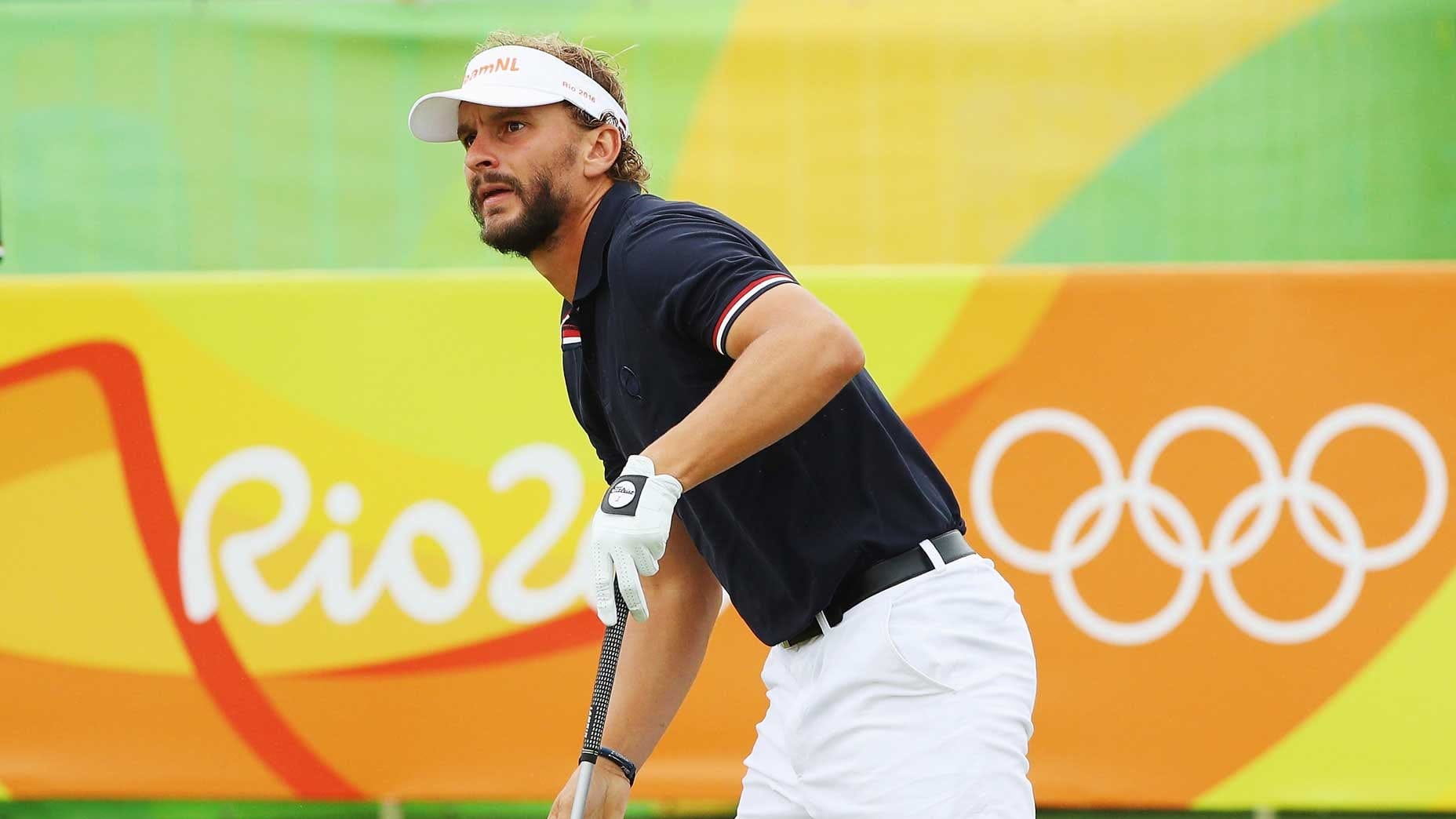
The Olympics embody the spirit of competition and dreams coming true for athletes all over the world. The qualification standards set for track and field athletes ensure that only the best of the best make it to the Games. However, golf is different. Each course presents unique challenges, and the outcome of a tournament can be unpredictable. Despite this, the Netherlands Olympic Committee has decided to only send one golfer, Anne van Dam, to represent the country at the upcoming Paris Olympics, leaving out Joost Luiten, Darius van Driel, and Dewi Weber, who also met the qualification marks.
The decision by the Netherlands Olympic Committee to only send one golfer to the Olympics has sparked outrage among the golfers who were left out. Luiten, van Driel, and Weber have all expressed their disappointment in not being selected, with Luiten even calling the decision “political.” The Royal Dutch Golf Federation attempted to intervene on behalf of the players, presenting data to support their inclusion and offering to cover the costs of the trip, but their efforts were in vain. The committee believes that only players with a realistic chance of finishing in the top 8 should be sent to compete.
The case of Darius van Driel winning the Kenya Open earlier this year showcases how lower-ranked players can excel and even win tournaments against higher-ranked competitors. This highlights the unpredictability of golf and the limitations of using ranking as the sole criteria for selecting Olympic athletes. While some argue that the decision is merit-based, others, including the affected players, believe that the criteria should be more flexible to allow for unforeseen performances.
The impact of the Netherlands’ decision not to send all qualified golfers to the Olympics extends beyond the individual athletes. By depriving the field of potential underdog stories and upsets, the committee is ultimately weakening the overall competitiveness of the golf competition. The International Golf Federation may need to reassess how golf is treated as an Olympic sport to prevent similar controversies in the future. Discussions have already begun to potentially revise the qualification rules for the 2028 Olympics.
The Olympic spirit is about inclusion and celebrating athletes from all backgrounds and levels of skill. By imposing rigid qualification standards that do not account for the unpredictable nature of golf, the Netherlands Olympic Committee risks stifling the diversity and excitement that the sport brings to the Games. In a sport where anything can happen over four days of competition, it is essential to allow for flexibility in selection criteria to ensure that all deserving players have a chance to compete on the world’s biggest stage. Ultimately, the decision not to send all qualified Dutch golfers to the Olympics raises questions about fairness, opportunity, and the true essence of the Olympic Games.