







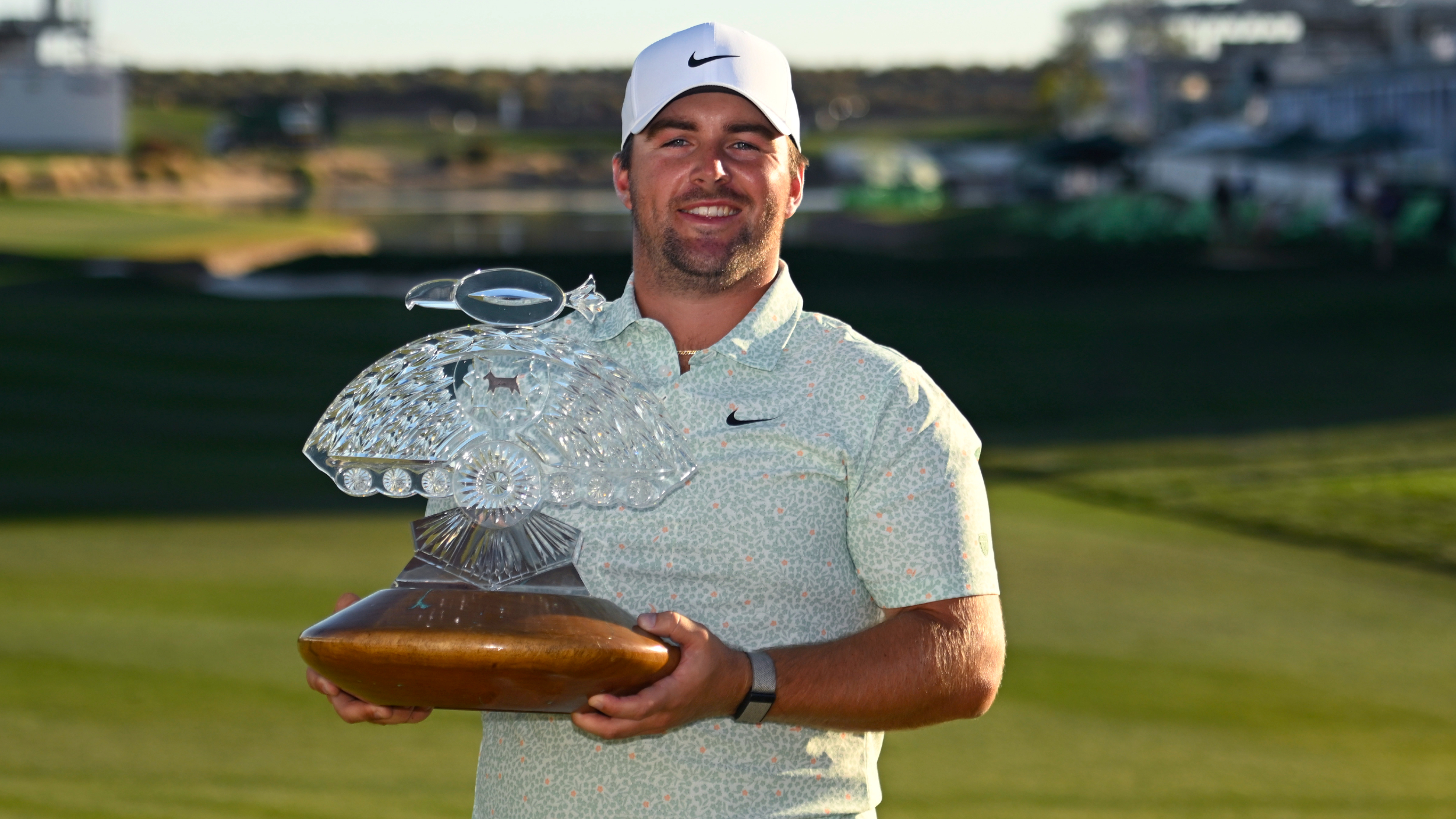
Gotterup’s Redemption Arc: When Short Game Wizardry Beats Experience
I’ve watched a lot of playoff drama unfold at TPC Scottsdale over the years, and Sunday’s WM Phoenix Open finish between Chris Gotterup and Hideki Matsuyama reminded me of something I should never forget: in match play situations, the player making the most birdies down the stretch often plays the most aggressive golf when it matters most.
Gotterup’s second PGA Tour win in just three starts this season tells a story that goes well beyond the obvious narrative of a young player catching fire. What strikes me most is how he’s approaching tournament golf with a fearlessness that frankly feels refreshing in an era where tour professionals often play so conservatively.
The Short Game Separates Champions from Contenders
Here’s what jumped out at me reviewing the final nine holes: Matsuyama hit just four greens in regulation through nine holes on Sunday and found zero fairways. Zero. Yet he was leading at the turn. That’s elite-level short game golf, the kind you don’t see every week on the PGA Tour anymore.
“Fairways hit: 0/7. GIR: 4/9. Solo leader.”
In my thirty-five years covering this tour, I’ve learned that stat lines like that only work if your wedges and putter are operating at championship level—and Matsuyama’s were, for most of the day. The two-time Phoenix Open winner made just eleven putts on the front nine. That’s not lucky golf; that’s world-class execution when the greens are firm and the margins are razor-thin.
But here’s where experience can sometimes become a liability: Matsuyama’s erratic driving—the very thing that forced those miraculous up-and-downs—finally caught up with him on the first playoff hole. When you’re pulling drivers left into water hazards, you’re no longer controlling your own destiny. That’s when younger players with momentum often prevail.
The Arc of Gotterup’s Breakthrough
I remember when Gotterup won the Sony Open in Hawaii earlier this season. The consensus was positive but cautious—one win doesn’t make a player. But watching his performance here, particularly those final seven holes where he made six birdies, tells me something different. This isn’t a flash in the pan.
What separates breakthrough players from one-hit wonders is consistency of approach. Gotterup didn’t play scared down the stretch. When he needed birdies, he attacked. His 30-foot putt at the end of regulation that never “looked anywhere else as it rolls end-over-end and into the center of the cup for a birdie” epitomizes that mentality.
“That’s six birdies in his last seven holes, which causes a huge reaction from the American, who claims his second PGA Tour win of 2026 and second in third start.”
Having caddied for Tom Lehman back in the ’90s, I learned that major championship winners and consistent tour performers share one trait: they play with conviction in high-pressure moments. Gotterup displayed that Sunday.
Matsuyama’s Playoff Misfortune: When Luck Runs Out
I don’t want to diminish Matsuyama’s brilliance with the short game by focusing too heavily on the playoff, but there’s an important lesson embedded here. Throughout the final round, Matsuyama seemed to catch every conceivable break. His pulled tee shots at the 12th and other holes found favorable slopes and stayed dry. His recovery shots from the rough were sublime.
But playoff holes don’t offer mulligans. When Gotterup absolutely “annihilates his tee shot over 360 yards” while Matsuyama pulls it left into water—after already being distracted once by gallery noise—the momentum equation shifts dramatically. Matsuyama’s approach of layup and recovery, which worked so well in regulation, couldn’t overcome being in the water to start overtime.
“Stood over the ball, he takes the club back and, on his downswing, stops after another distraction in the crowd. Re-addressing the tee shot, it’s yet another pull from Matsuyama, who isn’t so lucky as his ball hits the bank and bounces back into the water.”
The Bigger Picture: Youth and Experience in Modern Tour Golf
What fascinates me about this result is how it reflects the current state of professional golf. Scottie Scheffler, despite his number-one ranking, finished three back. Michael Thorbjornsen, a rising star at 24, played beautifully but came up just short. Meanwhile, Gotterup at the age where you’d expect him to still be finding his footing is winning tournaments.
The tour is evolving. Players today have better coaching, better analytics, better physical conditioning. Gotterup’s ability to make five birdies in six holes isn’t an anomaly anymore—it’s becoming the baseline for tour-level performance. The separation between good and great has narrowed considerably.
In my experience, that’s good for the sport. It creates compelling finishes, it brings along younger talent, and it prevents the same names from dominating year after year.
Final Thoughts on a Thriller
Gotterup’s emotional reaction after his victory—tears streaming down his face holding that trophy—reminded me why I’ve spent thirty-five years following this game. These moments matter to these competitors in a way that’s genuinely profound. For a young player to win his second tour event in his third start, and to do it in such dramatic fashion, speaks volumes about his mental toughness and talent.
Matsuyama will win more tournaments. His record speaks for itself. But on this particular Sunday, when the chips were down and experience met hunger, hunger won out. That’s the story worth remembering about Phoenix 2026.


