








Unlocking Wedge Spin: Why Your Ball Might be the Culprit
If you’re hitting wedge shots that just won’t check up, don’t be so quick to blame your technique. Sometimes, it’s all about the golf ball you’re using! According to MyGolfSpy’s 2025 Golf Ball Test, the most noticeable differences in performance aren’t from driving distance—they’re happening on those pesky short shots. Tests showed spin rates fluctuated by almost 4,000 rpm over just 35 yards, demonstrating how cover material and ball construction can drastically affect your control around the greens.
A Couple of Quick Truths You Should Know
Let’s break it down into two key insights:
-
Ionomer Covers = Less Spin: Cheap balls with Surlyn or ionomer covers typically lose between 1,500 and 3,000 rpm of spin compared to their urethane counterparts. If you want to grab greens, this is a crucial factor.
- Soft Feel ≠ High Spin: Just because a ball feels soft doesn’t mean it’ll give you that desirable spin. Low-compression balls often launch higher and tend to slide off the clubface instead of gripping the grooves.
For context, the TaylorMade TP5 came in hot with an average of 6,026 rpm on the wedge test—leaving its competitors in the dust.
Titleist Velocity – 2,058 RPM
First up, the Titleist Velocity. It’s designed for distance rather than stopping on a dime. With its firm ionomer cover, it posts the lowest greenside spin of any ball in the test—just a third of the TP5’s performance! If you’re hitting chip shots, expect a high launch and quick release, making it tricky to control on firm greens.
Looking for alternatives? Check out:
- Titleist Pro V1x: Offers a higher ball flight coupled with real wedge spin and a firmer urethane feel.
- Maxfli Tour X: A budget-friendly urethane option that keeps your driver distance while adding short-game grip.
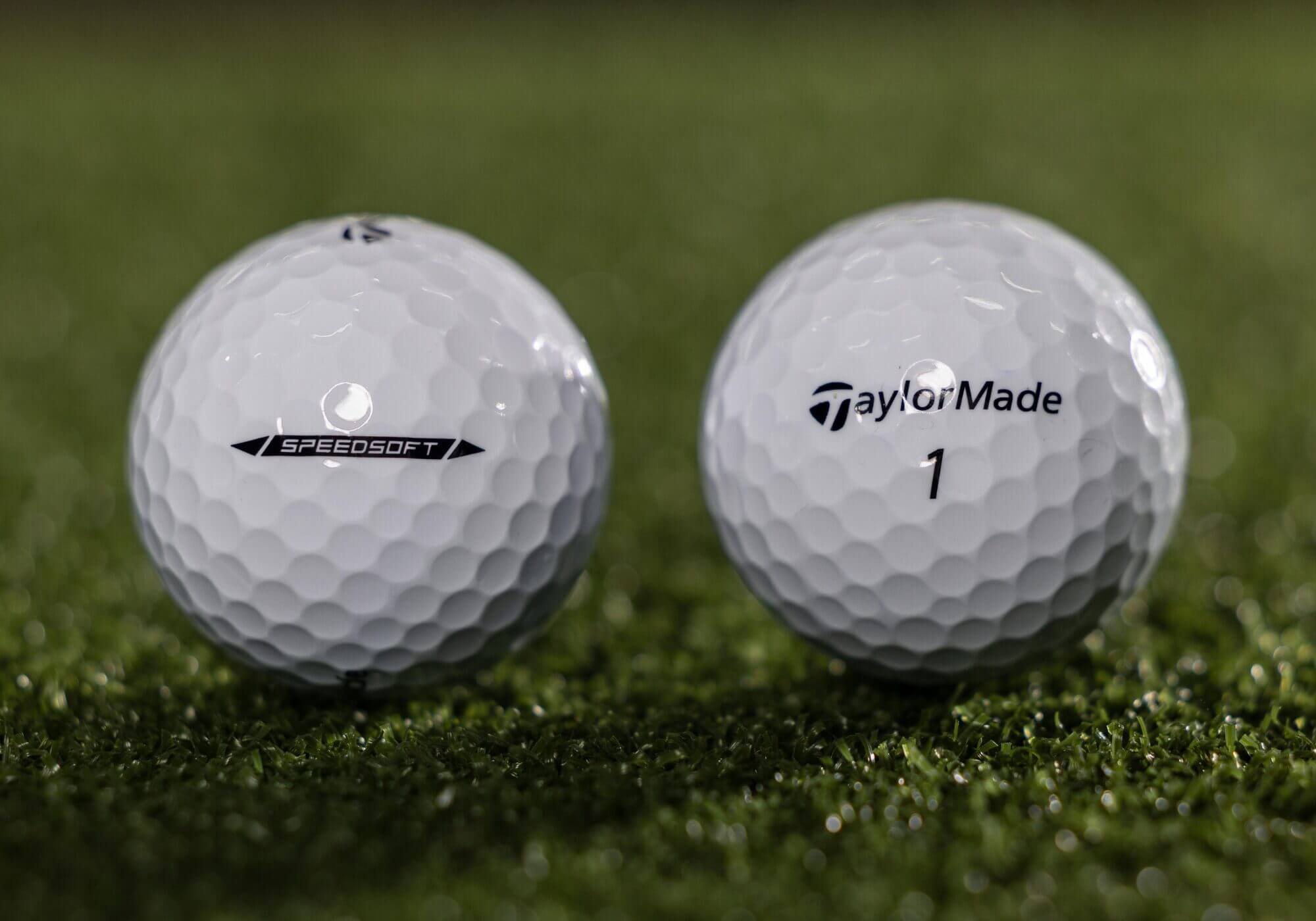
TaylorMade SpeedSoft – 3,176 RPM
Next, we’ve got the TaylorMade SpeedSoft. While it’s speedy off the tee, its ultra-low compression reduces groove friction on those finesse swings. Sure, it launches easily, but you might find it rolling out more than you’d like. It has a softer touch but lacks the stopping power for those must-make scoring shots.
Try these instead:
- TaylorMade TP5: This bad boy takes the crown for highest short-game spin in the 2025 test, making it the go-to for control around the greens.
- Vice Pro: An affordable urethane model that maintains consistent spin across irons and wedges.
Pinnacle Rush – 3,227 RPM
The Pinnacle Rush epitomizes a classic distance ball. Fast, firm, and budget-friendly, but it sacrifices control due to its Surlyn cover. With just over 3,200 rpm, expect it to spin barely half as much as the top performers. If you’re aiming for yardage, it’s a solid choice; if you want greenside control, good luck!
Alternatives to consider:
- Callaway Chrome Tour X: A tour-level ball that balances distance with nice wedge spin.
- PXG Xtreme Tour X: Offers fantastic value as a urethane option, delivering solid bite without breaking the bank.
Titleist TruFeel – 4,200 RPM
Now, onto the Titleist TruFeel. Its soft core means launching it is a breeze, but the ionomer cover doesn’t provide a friction-friendly surface for control. If you’re a fan of the soft Titleist feel but want better greenside performance, you’ll need to step up to a urethane cover.
What else can you use?
- Titleist Pro V1: A solid all-around performer with a balanced flight and spin profile.
- Wilson Triad: Mid-range urethane that ensures predictable spin and distance control.


Srixon Q-STAR Ultispeed – 4,364 RPM
Srixon brings us the Q-STAR Ultispeed: another distance-centric ionomer ball. Designed to give you a smooth launch and plenty of speed, its greenside spin leaves something to be desired. Launching high while releasing rather than grabbing, it’s just over 4,300 rpm—not exactly club-gripping territory.
For better options, check out:
- Srixon Z-STAR DIAMOND: Offers tour-level spin and flight control—perfect for those who demand more.
- Vice Pro Plus: This compact, fast urethane ball has a mid-flight trajectory and delivers reliable bite around the greens.
Bottom Line
If you’re struggling to make your ball check up when you want it to, it might not be you—it could be your ball of choice. All the balls we’ve discussed fall far below that critical 6,000 rpm mark held by top performers like the TP5, TOUR B XS, and Chrome Tour X. Consider experimenting with some of the alternatives mentioned, and see how they can elevate your short game. You might just be surprised by the results!
So, the next time you’re gearing up for a wedge shot, take a moment to evaluate your golf ball. The right choice could make all the difference in your game!


