







The Lowdown on Buying Used Irons: How Much Wear is Too Much?
Hey golfers! If you’re thinking about snagging a used set of irons, you’ve probably found yourself pondering just how much wear is too much. Lucky for you, we’ve been deep-diving into this very topic over at our forums. One member, going by the name con_mon2, recently sparked a conversation that’s got everyone chiming in with their thoughts.
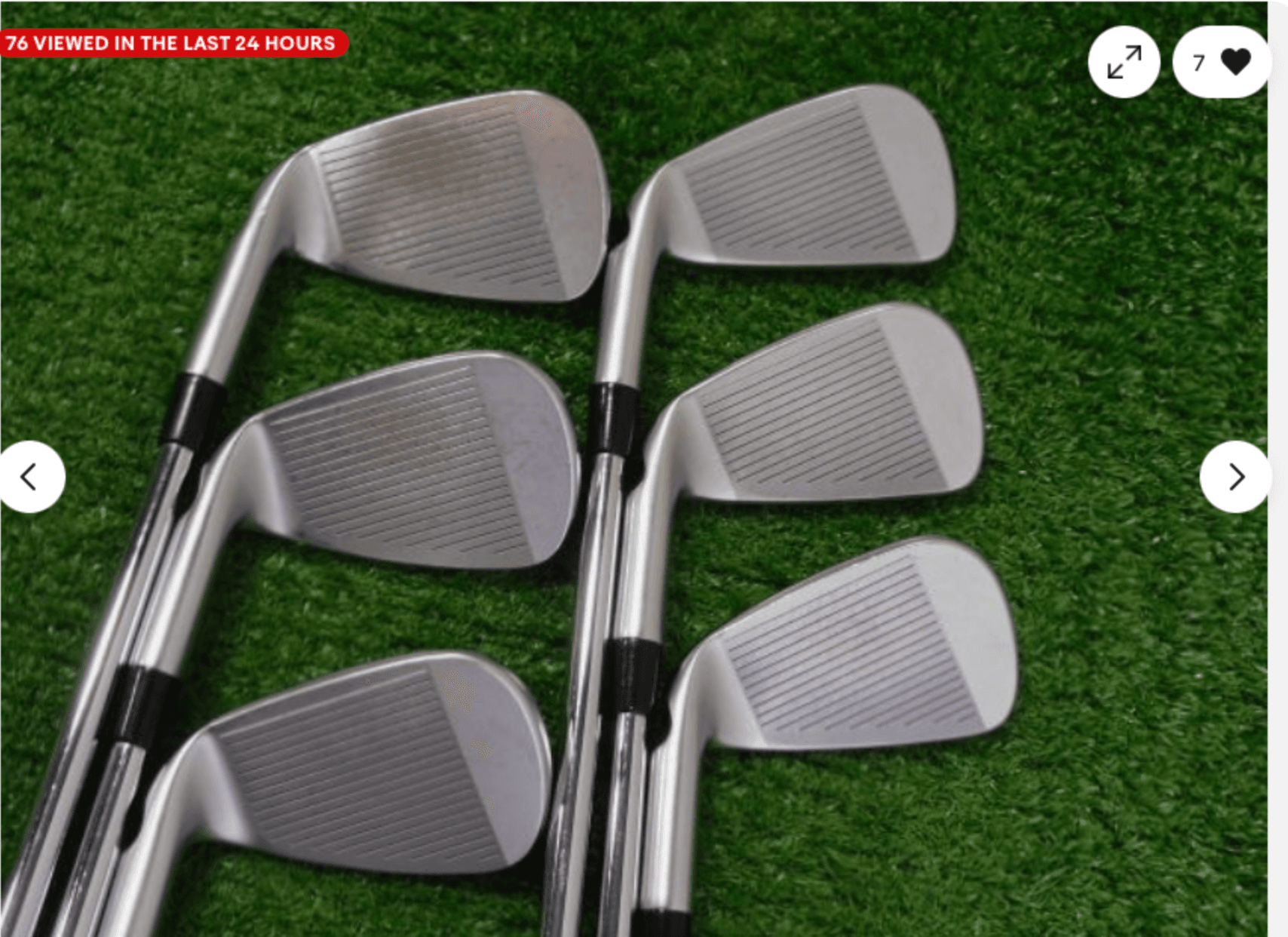
So, what’s the scoop? con_mon2 is eyeing a set of Ping i230s, which aren’t ancient since they hit shelves in 2022. However, they’ve got a bit more wear than he’s comfortable with, especially on the sweet spots of the pitching wedge and 9-iron. He’s in a bit of a pickle—Should he go for it or take a pass? That’s a question many of us have faced, right?
The Mystery of Wear: What’s Acceptable?
When it comes to wear and tear on used irons, there’s a whole spectrum of opinions. Some folks are super picky, while others are more laid back. The key question is, how much wear makes you go "yikes"? con_mon2 shared some pics showing off the wear, and he’s looking for some expert advice from fellow golfers. Is it just cosmetic, or could it lead to poor performance?
One crucial detail to unravel here is how wear affects the grooves—the very things that grip the ball and influence your shots. So at what point does wear on the grooves start to actually impact your game?
Member Insights: The Good and The Bad
The thread has been buzzing with various opinions! For instance, member rsballer10 chimed in with a term you might recognize: “browning.” It’s a way to describe the wear pattern that can occur on iron faces. He believes the set in question has reached about half of its usable life. Half-life? Sounds like a scientific term, but in the world of golf, it makes total sense.
Then there’s Nessism, who provided some clarification on what browning actually means. He explained that the “browning” some golfers see is just the nickel layer peeking through the chrome on stainless steel heads. These heads are built to last, unlike older models that rusted over time. So, even if the chrome is wearing down, it doesn’t spell doom for playability.
To Buy or Not to Buy? The Decision-Dilemma
On the flip side, member phizzy30 made a call for caution. He’s taking the hard pass approach, leaning more towards a shiny new set of Direct-To-Consumer (DTC) irons. Spending a couple of extra hundred bucks sounds worth it when it means getting something fresh and reliable, right? This is where preferences come into play. Are you a risk-taker, or do you prefer the safety of brand-new gear?
Cosmetic vs. Performance: Finding the Balance
It’s a fine line to walk. Cosmetic wear might not impact how your clubs perform on the green, but who wants a club that looks like it belongs in a thrift store? Golfing is partly about the aesthetic appeal, after all. If you pick up a used club and it feels like a hand-me-down, will you still have confidence in your game?
Conversely, if you lean more towards performance, you might look at those worn grooves and shrug it off. Just remember: while the looks can fade, the right grip and feel can keep your game strong.
Grooves: The Heart of Performance
Let’s nerd out for a moment. Grooves are the heart and soul of how a club interacts with the ball. They give you that sweet spin on chips and help you control your shots. If the grooves are beyond worn, you could find yourself flying it over the green or losing that sweet backspin. So, how do you assess if the grooves are in decent shape?
Look for signs of wear, such as visible flats or rounded edges. If you see those, it might be time to reconsider. Just because a club looks good doesn’t mean it’s a slam dunk for performance!
Expert Tips: What to Look For
When buying used irons, here’s a quick checklist to guide your decision:
- Visible Wear: Check for dings, dents, and browning!
- Groove Condition: Inspect how well-defined the grooves are—are they sharp or fading?
- Rusting: Be cautious of any rust; even though so-called “indestructible” brands are less prone to it, any signs can be worrisome.
- Price vs. Condition: Consider if the price reflects the condition. Is it a deal or just too risky?
- Seller Reputation: Are they trustworthy? Look for ratings or reviews if you’re buying online.
Community Wisdom: Share Your Experience!
There’s something valuable about the wisdom of the crowd, especially when it comes to golf. Have you ever bought used clubs? Share your personal experiences! What was your biggest regret, or what turned out to be an unexpected gem? By sharing, you’ll be helping others in the same boat feel more confident.
Final Thoughts: Don’t Rush It!
Ultimately, buying used irons should be a journey, not a sprint. Take the time to research, look for opinions, and weigh your options. Whether you’re a savvy shopper or a seasoned golfer, remember that it’s not just about the looks or the price—it’s about how those clubs are going to perform for you on the course.
So, should you buy that used set of Ping i230s? Well, take a deep breath, trust your instincts, and consider how much wear you’re comfortable with. Happy shopping, and may your next set of irons bring you all the confidence you need on the course!
For more firsthand advice, check out the full discussion on buying used irons here.


