
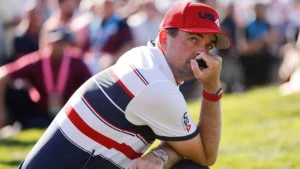






The announcement of Keegan Bradley as the U.S. captain for the 2025 Ryder Cup at Bethpage Black came as a surprise to many, especially considering the initial consideration of Tiger Woods for the role. Woods declined the offer, citing a lack of time and energy to fully dedicate himself to the task. This decision left the PGA of America’s decision-makers scrambling to find a replacement for Woods. Captains for the Ryder Cup are typically groomed from serving as vice-captains at previous events, with experience and knowledge of the team dynamics playing a crucial role in their selection.
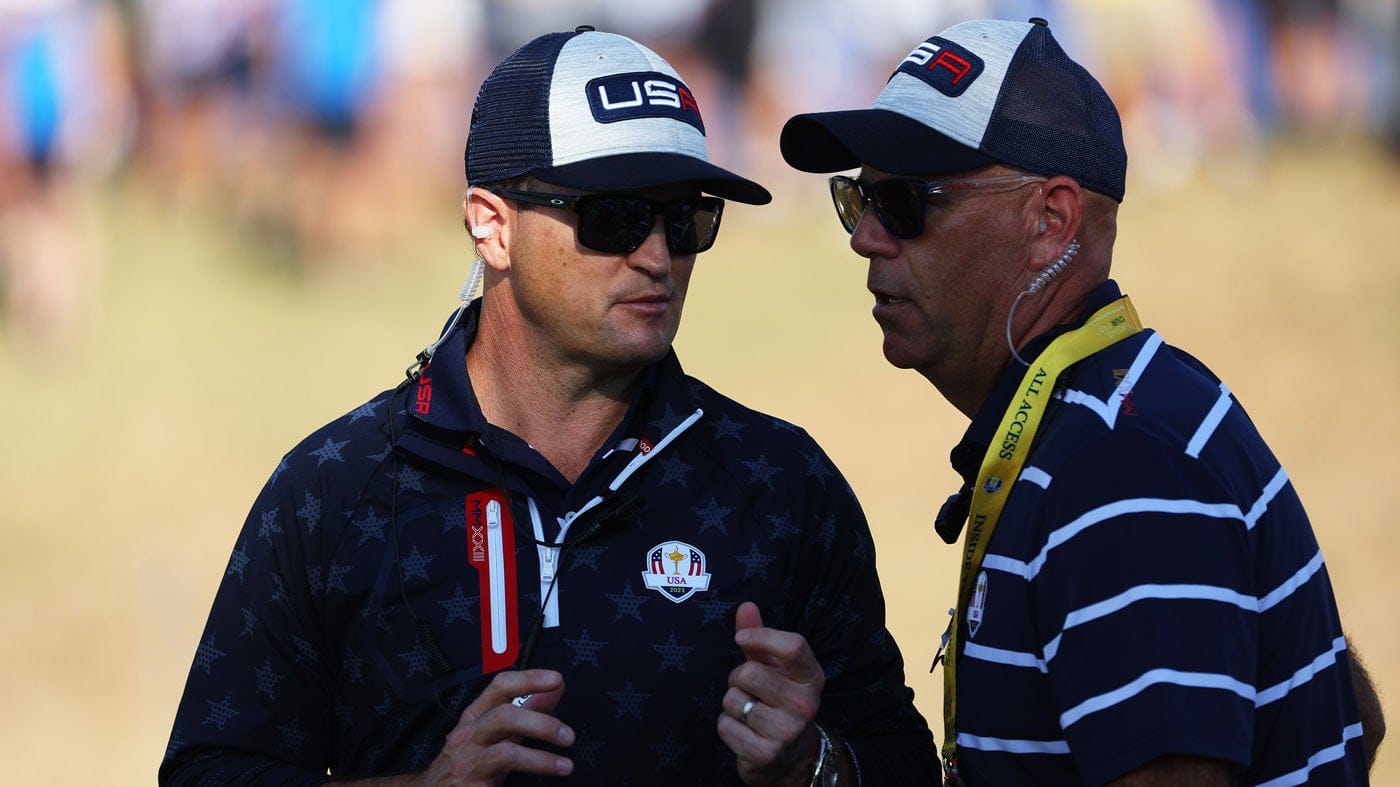
The 2025 U.S. skipper was expected to come from a group of vice-captains who served under Zach Johnson in the previous Ryder Cup. Potential options included Steve Stricker, Davis Love III, Jim Furyk, Fred Couples, and Stewart Cink. Furyk, who was the losing captain in 2018, was not considered for another chance, leaving four candidates in the running. As the decision-making process unfolded, Cink’s stock began to rise, with speculation growing around his potential appointment as captain for the first time in his career. This unexpected turn of events raised questions about the direction of the U.S. team under Cink’s leadership.
Former PGA of America CEO Seth Waugh presented a shortlist of candidates to the Ryder Cup Committee, which included Cink among others. Despite being a strong contender, Cink was ultimately passed over in favor of Bradley, whose enthusiasm for the Ryder Cup and potential to bring a fresh perspective to the team were highlighted as deciding factors. The selection process also hinted at a desire to modernize golf and rethink traditional approaches to choosing captains and assembling teams. Bradley’s appointment as the U.S. captain marks a significant shift in the usual criteria for selecting Ryder Cup leaders.
Cink expressed disappointment at not being chosen as captain but expressed confidence in Bradley’s capabilities to lead the team to success. The decision to appoint Bradley, a younger player who has not served in assistant roles before, reflects a desire to shake up the status quo and bring a new energy to the team. Bradley’s plans for selecting assistants and shaping the team dynamics suggest a focus on including younger, active players on the tour in key roles. The potential impact of Bradley’s captaincy on aspiring captains like Cink, Couples, and Kuchar remains to be seen, with the outcome of the 2025 Ryder Cup likely influencing future decisions.
Bradley’s appointment as captain at a relatively young age sets him apart as the youngest Ryder Cup captain in over 60 years, showcasing a shift towards a more dynamic and unconventional leadership style. The decision to choose a player in his prime reflects a desire for innovation and evolution in the way Ryder Cup teams are organized and led. The emphasis on modernizing golf and rethinking traditional approaches to team selection and captaincy signals a potentially transformative era for the U.S. Ryder Cup team. Ultimately, the success of Bradley’s captaincy at the 2025 matches will determine the impact and legacy of this groundbreaking decision.


