








Understanding Golf Rotation: A Drill to Improve Your Swing
Professional golfers often believe they are rotating correctly, yet there is often a disconnect between the perception of their movements and the actual mechanics at play. This misalignment can lead to inconsistencies in contact, ball flight, and overall performance. A notable drill introduced by Eric Cogorno helps to bridge that awareness gap, clarifying that effective rotation in golf goes beyond merely spinning the hips.
Drill Overview
For those looking to improve their swing, this drill is an excellent method to understand the nuances of body movement during the downswing. The drill is notable because it does not enforce rigid positions or complicated swing thoughts, making it relatable and easy to grasp for golfers of all skill levels.
Video Resources
If you are short on time, focus on the following video timestamps for essential insights:
- Drill Introduction and Setup: Around 2:00
- Explanation of the Three Movements: Around 2:45
- How to Blend the Movements: Around 5:00
- Transitioning to Real Swings: Around 7:00
How to Execute the Drill
To perform this drill correctly, you will need an 8-iron or 9-iron and sufficient space to stand comfortably. You do not need to hit golf balls as part of this exercise.
Setup Instructions
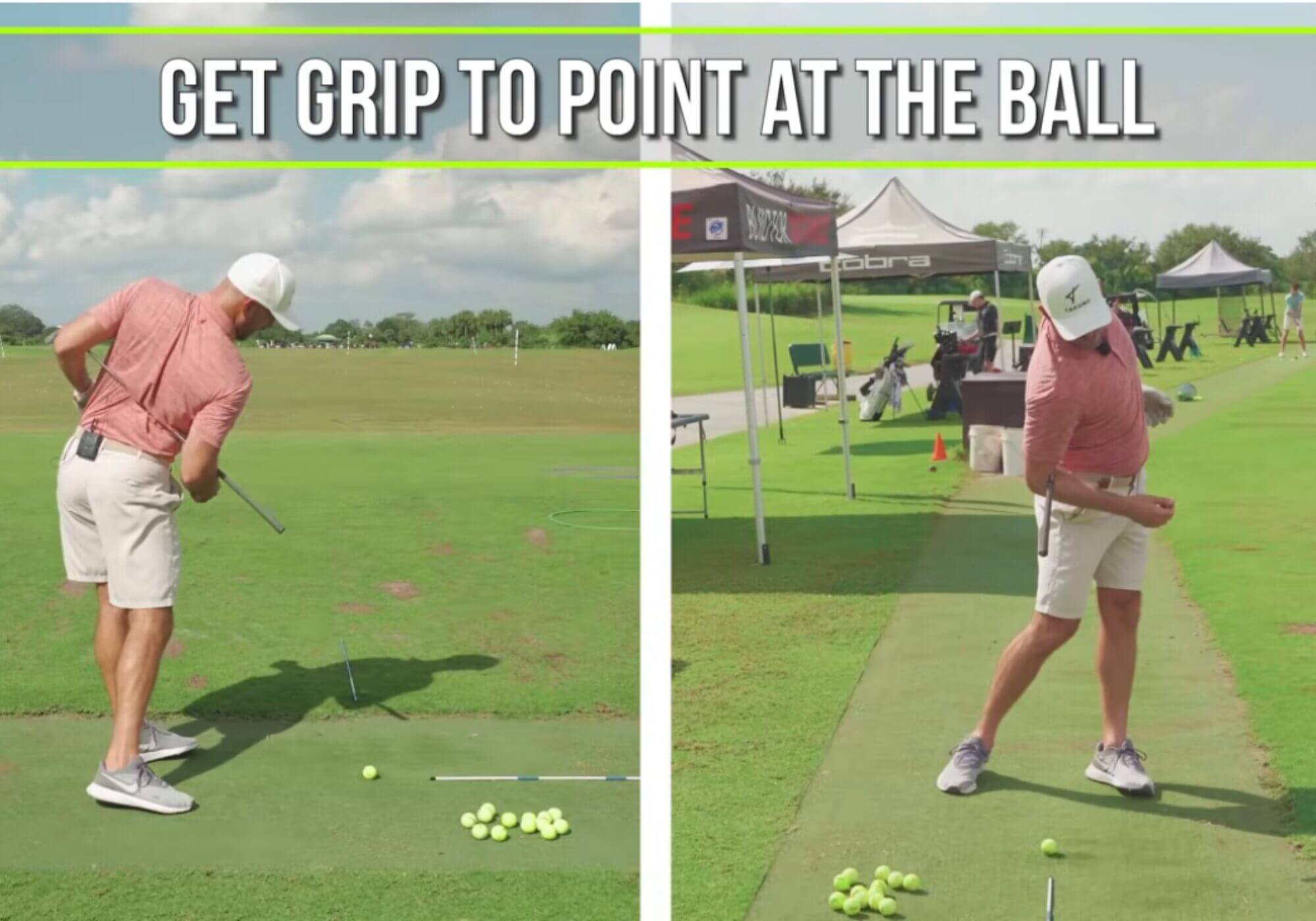
- Place the club behind your back, horizontally across your mid-back.
- Ensure the shaft rests between your elbows.
- The grip should extend toward your trail side.
- Keep your arms slightly bent to create the compact setup described in the video.
Objective of the Drill
The goal of this drill is to maneuver your body such that the butt end of the club points toward the location where the golf ball would be during the downswing. You can even place a ball there for visual reference.
This exercise effectively integrates three critical movements required during the downswing:
1. Shift
- Pressure shifts toward your lead side.
- Feel your belt buckle move toward your lead ankle.
- Maintain a slight backward position with your upper body.
This movement helps position the low point correctly, minimizing issues with thin or heavy contact.
2. Turn with Extension
- While shifting forward, incorporate rotation.
- Your belt buckle should begin to face the target.
- Hips should move forward while rotating, accompanied by a small upward push.
3. Tilt
- Introduce side bend into your movement.
- The trail shoulder should move down while achieving a slight crunch on the trail side.
Being aware of this tilt helps control club height and improve low-point management.
Common Mistakes Revealed by the Drill
Upon practicing this drill, several common misconceptions about swing mechanics may become apparent:
1. Sliding Without Rotation
Some golfers can move forward but lack sufficient rotation, causing the lower body to shift while the upper body stalls, leaving the club behind.
2. Spinning Instead of Shifting
Many players mistake a stationary rotation for proper turning. Without pressure into the lead side, the club stays behind the body, hindering effective contact.
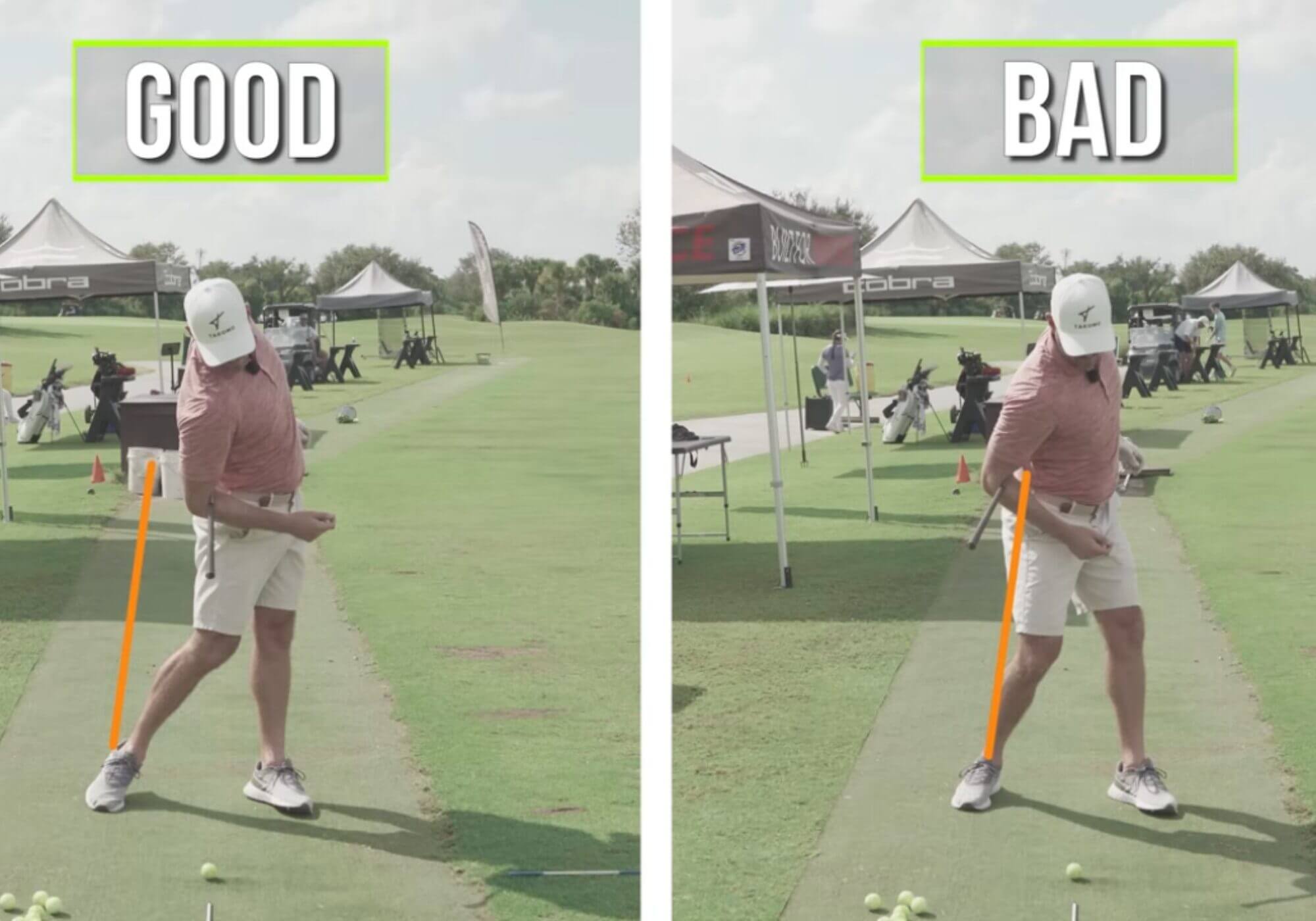

3. No Tilt Through Impact
A lack of side bend results in the club grip being too high, often resulting in thin shots. This is a critical area to address for consistent contact.
4. Late Effort Instead of Early Movement
Golfers frequently attempt to make adjustments toward the end of the downswing. This drill emphasizes the need for early blending of movements rather than last-second fixes.
Who Can Benefit from This Drill?
This drill is suitable for golfers struggling with rotation, weight shifts, and sequencing in their swings. If you experience inconsistent contact or find your downswing thoughts convoluted, this drill can simplify your understanding of proper rotation mechanics.
While golfers of all levels can utilize this exercise as a warm-up, beginners should focus on fundamental aspects such as stance, ball position, and grip before delving deeply into rotational mechanics.
Why This Drill Remains Effective
One of the reasons this drill continues to be popular among golfers is that it focuses on natural movements rather than forcing rigid positions. By highlighting the interplay between rotation, pressure, and tilt, it offers a comprehensive understanding that can be applied across different skill levels.
For those who have struggled with golf rotation, this drill provides a foundation for greater awareness and understanding of your swing, paving the way for lasting improvement.
By addressing these foundational aspects of golf mechanics through practical drills, you can enhance your performance on the course significantly.


