








As a golf instruction editor for The Daily Duffer and a PGA-certified instructor for over 15 years, I’ve seen firsthand how dedication and proper technique can transform a golfer’s game. From tour pros to weekend warriors, the pursuit of improvement is a shared passion. Sometimes, that improvement comes from an intense focus on fundamentals, and other times, it comes from an incredibly precise adjustment to equipment, tailored just for you. Chris Gotterup’s recent gear customization is a fantastic example of the latter, and it offers us a valuable lesson.
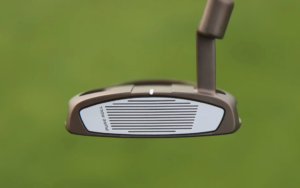
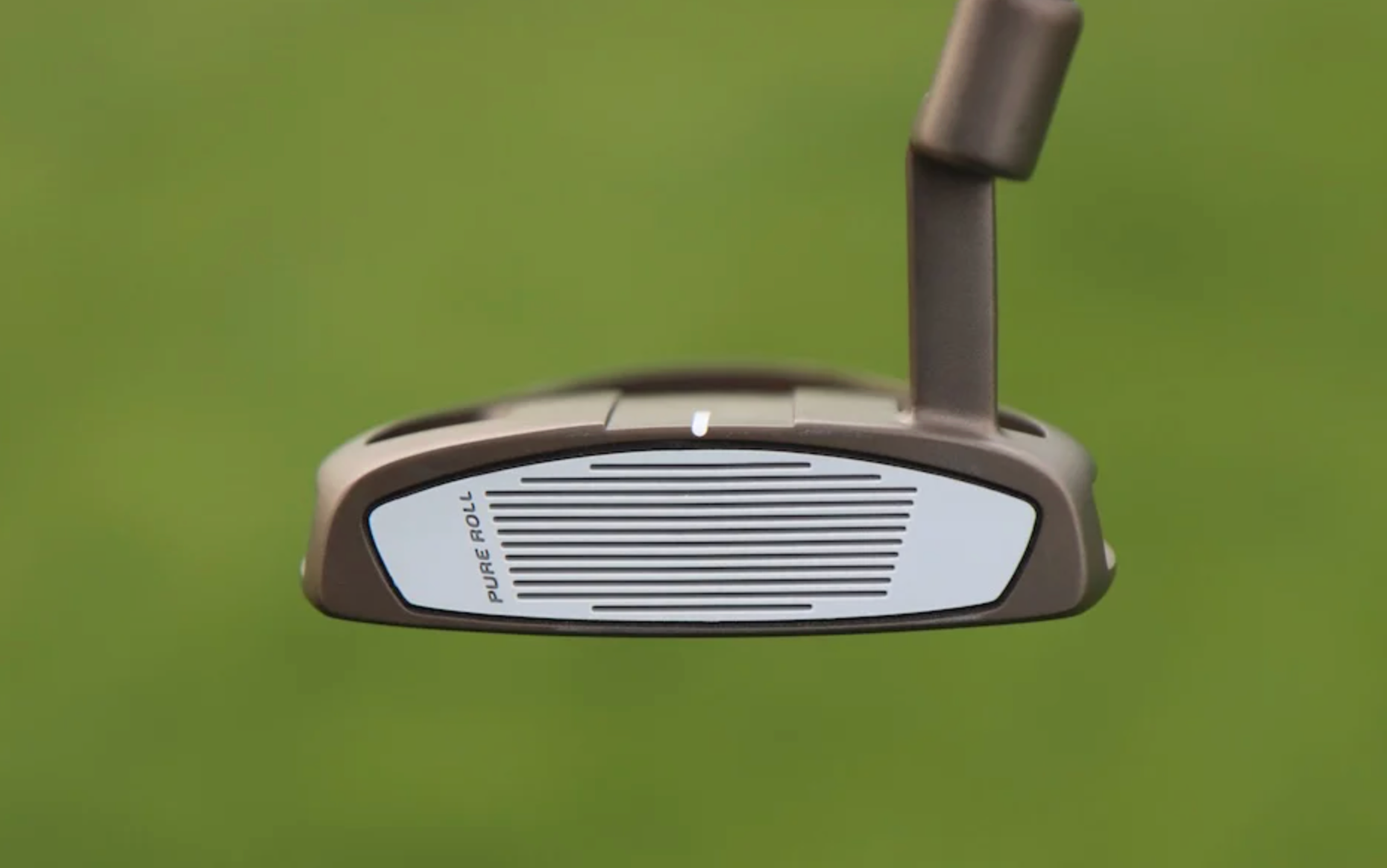
Chris Gotterup, fresh off a big win at the WM Phoenix Open, where he sank a clutch birdie putt with his TaylorMade Spider X Tour, has shown up at Pebble Beach with a fascinating, customized putter. Our keen-eyed tour photographer spotted something unique:
“Extra material was added on the underside at the toe, second putter is a reference to how the Spiders normally look toe side on the sole as Chris toe down putter and they wanted to keep the CG the same while adding more surface area for him to sole the putter.”
What does this mean for us, the everyday golfer, or even the aspiring pro? It highlights an often-overlooked aspect of putting: how your putter sits on the ground at address. Chris “toes down” his putter, meaning the toe of the putter contacts the green while the heel floats slightly. To counteract this, and ensure consistent contact and feel, TaylorMade added material to the toe, creating more surface area so the putter can sole flat, while crucially maintaining the center of gravity (CG).
This isn’t just about Chris Gotterup; it’s about understanding your own putting setup and how your equipment interacts with it. A putter that doesn’t sit flush can cause subtle but significant issues, leading to inconsistent strikes, off-line putts, and a general lack of confidence on the greens. When your putter isn’t sitting correctly, it can alter the effective loft, the face angle, and the way the weight is distributed, all of which are vital for a true roll.
Understanding Your Putter’s Sole and How You Set Up
The sole of your putter needs to sit flat on the ground. This sounds simple, but many golfers unknowingly address the ball with either the toe up or the heel up. If your putter face is subtly angled because the sole isn’t flush, you’re already fighting an uphill battle before you even start your stroke. This can manifest as pushes, pulls, or putts that always seem to miss their mark by just a hair.
The goal, as TaylorMade demonstrated with Gotterup, is to have a putter that feels stable and balanced at address, allowing you to focus purely on stroke mechanics and target. When the putter is soled flat, the designed loft of the putter can do its job, getting the ball rolling end-over-end quickly without excessive skidding or hopping.
Your Putting Footprint: How to Check How Your Putter Sits
Just like how we custom fit drivers or irons, your putter setup is incredibly personal. I teach my students that noticing these subtle details can unlock huge improvements in their putting consistency. Let’s figure out your “putting footprint.”
Drill 1: The Paper Test
Here’s a simple drill to see how your putter is really sitting at address, without even hitting a ball.
Try this: Find a smooth, flat surface like a putting mat or an indoor rug. Address a golf ball with your putter as you normally would. Now, without moving your putter face or changing your grip, slide a thin piece of paper (or a business card) under the sole of your putter. See if it slides easily under the toe, the heel, or if it catches evenly across the entire sole. If it slides under one side more easily than the other, you might be raising that side of the putter. The goal is for the paper to meet even resistance, suggesting the putter is soled flat.
Drill 2: The Face Angle Check
Once you understand how your putter is sitting, let’s explore how that affects your face angle.
Here’s a drill: Take a putter that you know has a very straight edge on the face. Set up to a putt as usual. Now, place another putter, or even an alignment stick, directly in front of and parallel to your putter face. Step back and look at it from behind the ball. Does your putter face look perfectly square to the target line, or does it appear slightly open or closed? If the toe is up, the face might appear slightly closed. If the heel is up, it might look open. This subtle misalignment, even a degree or two, can mean the difference between a made putt and a miss.
“That’s some next level customization. Thanks for the pics and the insight. Love this type of stuff.”
This “next level customization” isn’t exclusive to tour players. While we might not have TaylorMade engineers adding material to our putters, we can adjust our setup to achieve the same result: a putter that sits flat and square. Often, a slight adjustment to your grip, hand position, or even putter length can solve this issue for you. Experiment with how you hold the putter – sometimes gripping slightly shorter or longer can change the putter’s lie angle and how it naturally sits on the ground.
Remember, the goal in putting is consistency. Getting your putter to sit perfectly at address removes one variable, allowing you to focus on line and speed. Don’t be afraid to experiment with your setup. Take some alignment sticks, spend time on the practice green, and really pay attention to how your putter feels at address. Just like Chris Gotterup, who recognized a subtle interaction between his stroke and his equipment, you too can refine your putting setup for more made putts and lower scores.
“This is really cool and great thinking, but I can’t imagine it will go into competition given how he’s started this season, right?!”
The user above questioned whether this kind of change would be used in competition, but Gotterup’s example shows us that even after a big win and successful putting, a pursuit of perfection can drive incredible changes. If you identify a consistent setup issue with your putter, you might be surprised at how a small adjustment to your grip, posture, or even putter length can make all the difference. Keep practicing, keep analyzing your game, and remember: every putt is an opportunity to improve!


