








Title: Maximizing Your Performance on Courses with Large Greens
Introduction:
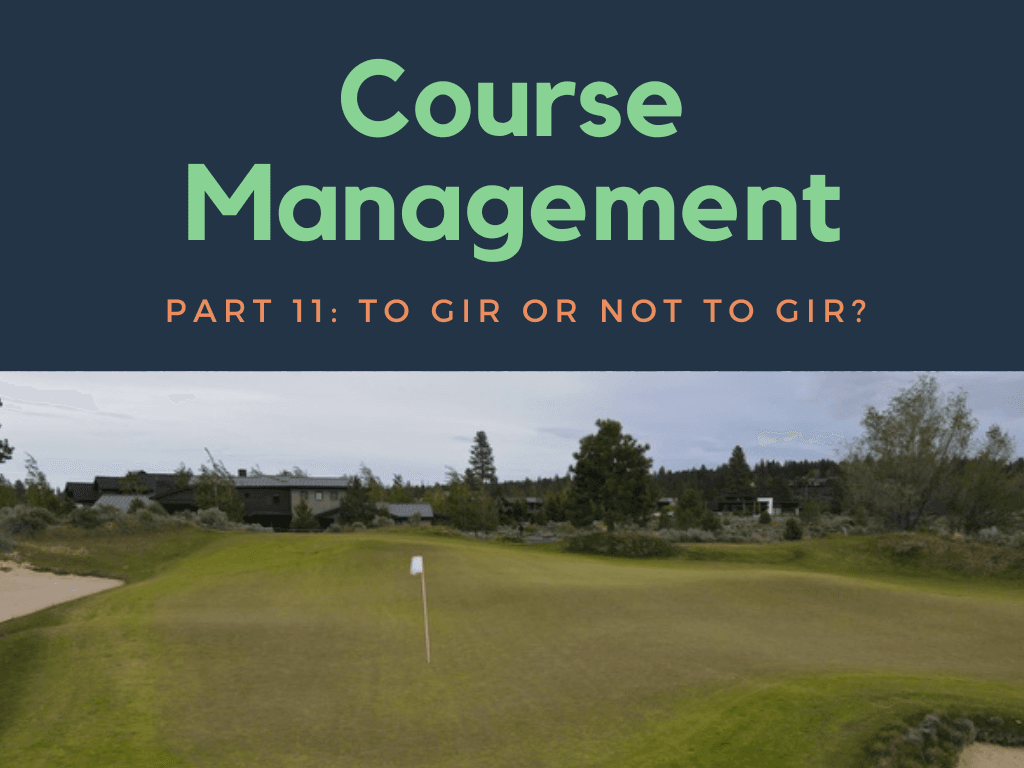
During a recent golf trip to central Oregon, I had the opportunity to play Tetherow Golf Club, which features very large greens. This raised the question of whether the benefits of hitting greens in regulation are negated on courses with large greens. In this article, we will explore the data and real-world applications of playing on courses with large greens.
The Importance of Greens in Regulation:
Greens in regulation (GIR) is a crucial stat in golf that correlates closely with handicap. Hitting a certain number of GIR per round can indicate your skill level, with hitting more GIR being beneficial for lower handicaps. However, the benefits of hitting greens in regulation may be impacted when playing on courses with large greens.
Data Analysis:
Data provided by Shot Scope shows that being at least 30 feet closer to the hole can negate the benefits of hitting a green in regulation. The data also highlights the significant advantage of being on the green, especially for higher handicaps. This information can help golfers make strategic decisions on the course to improve their performance.
Real-World Application:
While golfers cannot always choose between being on the green or closer off the green, there are several factors to consider when approaching shots on courses with large greens. Concepts such as the “Shotgun, Not Sniper Rifle” approach and eliminating hazards play a key role in making smart decisions on the course.
Consideration of Green Undulations:
Large greens often feature undulations and steep slopes that can affect ball movement. Understanding the green’s layout and how your shot will react after landing can help you plan your approach strategically. Evaluating the surrounds of the green is also crucial in determining the best landing spots for your shots.
Is Flag Hunting a Viable Strategy?
While flag hunting may seem appealing for aggressive play, it’s essential to consider various factors before picking a target. With the 30-foot rule in mind, aiming for the flag without regard for hazards or green undulations may not always be the best choice. Taking a more calculated approach can lead to better outcomes on courses with large greens.
The Middle of the Green Strategy:
Aiming for the middle of the green is often a safe and effective strategy, especially for higher handicaps. The middle of the green rarely moves and can provide a reliable target for approach shots. However, on courses with large or unique-shaped greens, assessing the value of the middle target becomes more complex.
Conclusion:
Navigating courses with large greens requires a strategic approach that considers factors such as green undulations, hazards, and shot patterns. By analyzing data and real-world applications, golfers can optimize their performance on courses with large greens and improve their overall scoring. By implementing smart course management strategies, golfers can make the most of their rounds and enhance their playing experience.


