






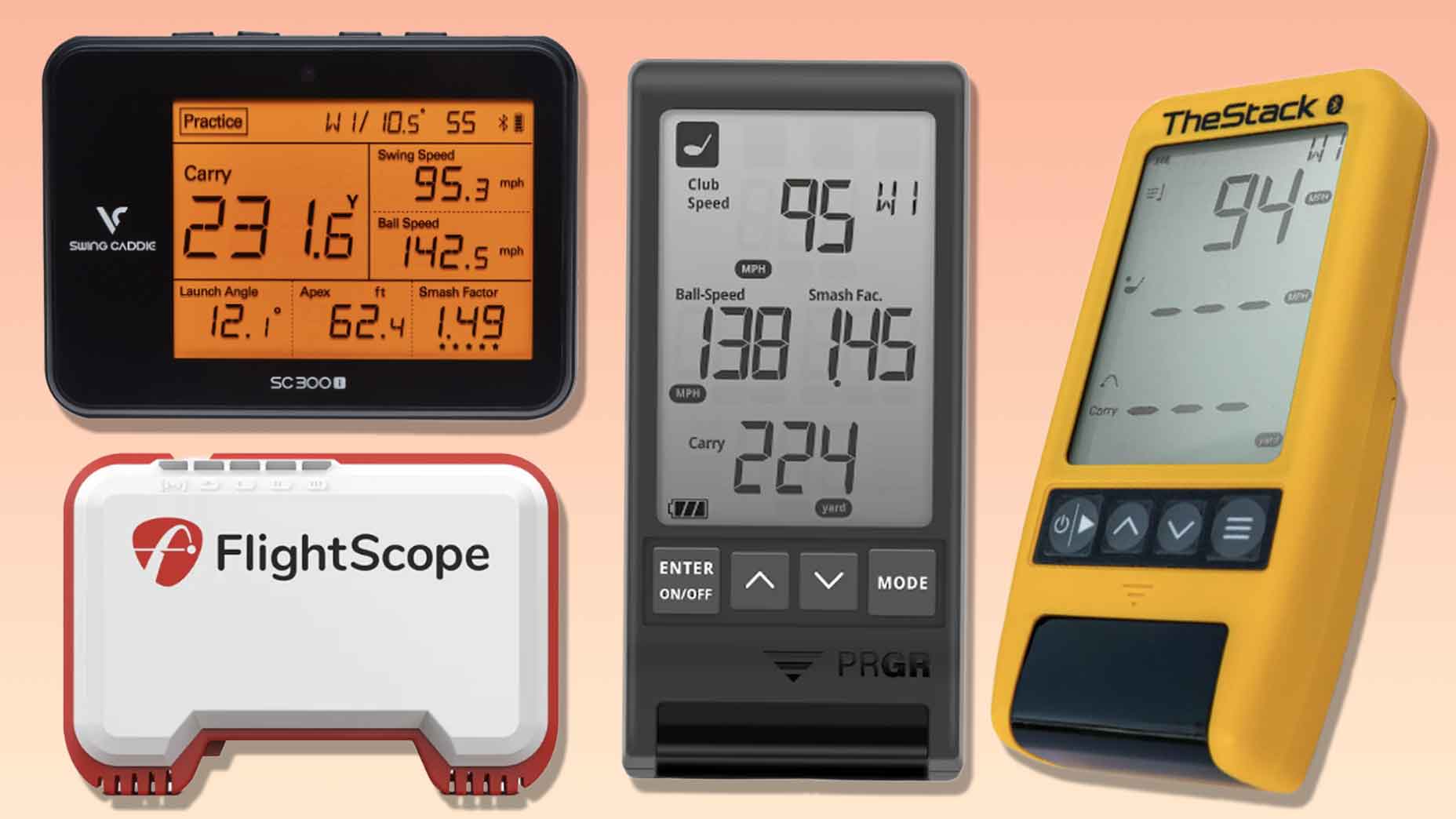
The Science of Launch Monitors: Revolutionizing Golf Performance
Introduction to Launch Monitors
Launch monitors have transformed the way golfers and fitters approach the game, replacing the guesswork of club selection with precise, data-driven insights. This technology meticulously analyzes each swing, providing comprehensive metrics that inform decisions about equipment adjustments and swing improvements. In this article, we delve into how launch monitors operate, their major types, key metrics analyzed, and their impact on golf performance.
Understanding Launch Monitors
Modern launch monitors employ cutting-edge technology to gauge a multitude of metrics during a golfer’s swing. These metrics include clubhead speed, ball speed, launch angle, spin rates, smash factor, angle of attack, apex height, and total distance. The accuracy of this data eliminates subjective assessments of performance, allowing golfers to hone in on crucial parameters essential for optimizing their game.
Key Metrics Explained
Among the key metrics collected by launch monitors are:
- Clubhead Speed: The speed at which the clubhead moves at impact, critical for distance.
- Ball Speed: The rate at which the ball departs the clubface, influencing distance.
- Launch Angle: The angle at which the ball leaves the clubface.
- Spin Rates: Refers to the amount of backspin and sidespin on the ball.
- Carry Distance vs. Total Distance: The difference between how far the ball travels in the air and the total distance after landing.
These metrics create a comprehensive profile that guides golfers toward the right club setup, from shaft selection to driver head adjustments.
Radar vs. Camera Systems
Launch monitors generally fall into two distinct categories: Doppler radar systems and high-speed camera systems.
Radar Systems
Radar systems, such as TrackMan, deploy Doppler radar technology to measure the position and speed of both the club and ball. This method excels in providing real ball flight data outdoors, capturing the entire arc from launch to landing, which is invaluable for outdoor fittings and range assessments.
Camera Systems
Conversely, camera systems like Foresight GCQuad Max capture thousands of frames per second to analyze the moment of impact. These systems excel in indoor environments where data on swing mechanics and club impact location is critical. They predict the trajectory of the ball after impact using advanced algorithms.
Comparing Performance: Radar vs. Camera
Setup and Positioning
Radar-based monitors are typically located behind the golfer, requiring ample space for operation, while camera systems are positioned to the side and are less dependent on space but require excellent lighting for optimal performance.
Data Capture Techniques
Radar monitors gather real-time data throughout the entirety of a shot, illustrating actual ball flight, while camera systems focus on impact analysis to forecast shot results. Each system has strengths tailored to different playing conditions.
Ideal Environments for Launch Monitoring
For outdoor sessions where true ball flight shapes and maximum distance evaluations are needed, radar systems are the preferred choice. In contrast, indoor setups benefit from camera systems that can measure club performance without weather interference, making them popular among teaching academies and fitting studios.
Choosing the Right System for You
Selecting between radar and camera systems hinges on your specific needs. If you’re focused on understanding swing dynamics and impact points, a camera system would likely suit you best. However, if you’re looking to refine shot distance and trajectory, radar systems provide valuable real-time tracking.
Technology and Performance Integration
Both radar and camera systems ultimately offer elite-level data that enhances golfers’ understanding of their swings and gear. Consequently, modern club fitting has pivoted toward a science-based approach, providing golfers with facts and insights that facilitate informed decisions about their equipment.
Conclusion: The Future of Golf Success
The evolution of launch monitors marks a significant advancement in how golfers can approach their game. Armed with precise data analysis, golfers can enhance their skills, optimize their equipment, and confidently tackle each round. Whether through radar or camera systems, golfers today have access to unparalleled technology that makes improvement not only attainable but enjoyable. For those looking to elevate their performance in 2025 and beyond, exploring opportunities for club fitting at reputable facilities is essential to unlock your true potential.
In this detailed exploration of launch monitors, we’ve underscored the importance of technology in enhancing golf performance. With precise metrics and tailored experiences, golfers can confidently navigate their journey to success on the course.


