









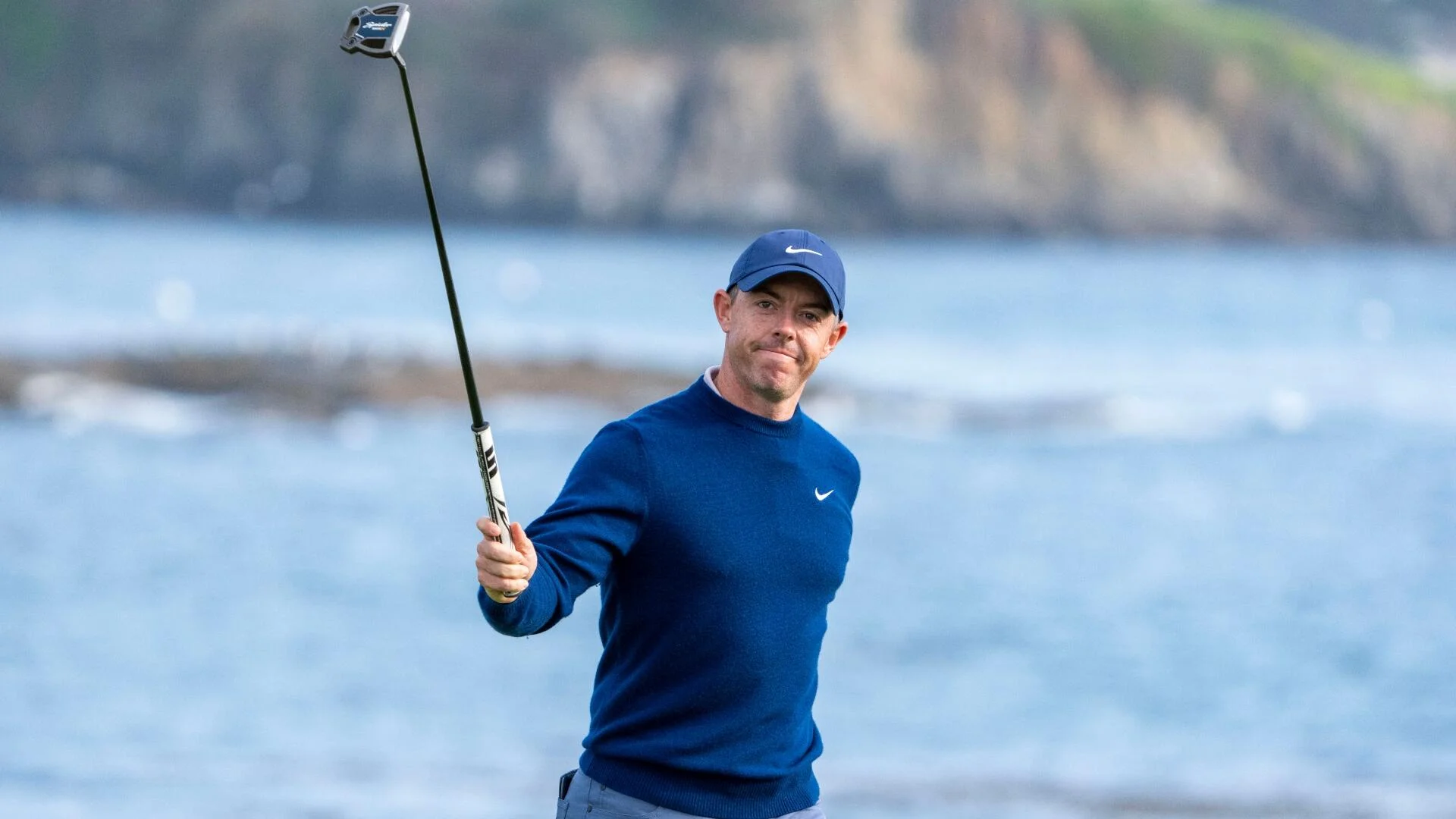
Pebble Beach 2026: Why McIlroy’s Return Matters More Than You Think
There’s a particular energy that surrounds Pebble Beach in early February—something different from the rest of the PGA Tour calendar. Maybe it’s the ocean air, maybe it’s the celebrity galleries, or maybe it’s just knowing you’re watching golf at one of the most photographed pieces of real estate on the planet. But having covered 15 Masters and countless other marquee events over 35 years, I can tell you that Pebble Beach occupies its own special place in professional golf’s rhythm.
This year’s AT&T Pebble Beach Pro-Am marks the first Signature Event of the 2026 season, and while the headline writers will focus on Scottie Scheffler’s +300 favorites odds, what strikes me most is the narrative surrounding the defending champion Rory McIlroy.
When Excellence Becomes a Template
Let’s start with the obvious: Rory’s 2025 performance at Pebble was extraordinary. A 21-under-par victory that stands as the lowest score in the tournament’s history at this specific course isn’t just impressive—it’s the kind of round that gets discussed in locker rooms for years. But here’s what the casual observer misses: that wasn’t a flash of brilliance. That was a master class in course management and shot-making under ideal conditions.
“He broke par in all four rounds as that was his first of three victories in 2025.”
Notice that detail. Rory didn’t just win Pebble; he won it while establishing a pattern of consistency across multiple tournaments. Three victories in a single calendar year tells you something important about a player’s mental state and swing stability. In my experience caddying for Tom Lehman back in the ’90s, I learned that streaks like this aren’t accidents—they’re the result of finding something in your game that’s working and having the discipline to stick with it.
Now he’s back at the same course as a defending champion, and that’s a different animal entirely. The pressure increases. The field knows what he did. Everyone’s studying the same conditions and hoping for similar scoring. What interests me is whether Rory can replicate that performance or if the course will play tighter this time around.
Course Dynamics and the Short Game Advantage
I need to point out something that SportsLine’s analysis touches on but deserves deeper exploration. Pebble Beach, at its current setup, is the second-shortest course on the 2026 PGA Tour schedule. This fact fundamentally changes which players should be circled on your card.
“McIlroy’s game is well-suited for what’s the second-shortest course in use for the 2026 PGA Tour season. McIlroy was second in driving distance last season as his length off the tee will well position him for easier chips. Then once he gets on the green, McIlroy is coming off a year in which he ranked in the top 10 in putting average and strokes gained: putting.”
This is the betting angle that actually holds water. It’s not just about Rory being defending champ—it’s about the architecture of Pebble Beach playing directly into his strengths. His length off the tee combined with elite-level putting is the equivalent of having a loaded gun at a short-range target. The math favors him.
But here’s where experience teaches you to pause. I’ve seen players with perfect skill matchups to a venue underperform because of mental factors—fatigue, complacency, or simply the burden of expectation. After a three-victory season, there’s always the question of whether a player has left something on the course already or whether momentum carries forward.
The Sleeper Nobody’s Watching
The source article mentions Ryan Gerard as a potential longshot parlay piece—a UNC product sitting at +7600 to win his second PGA event, with three runners-up finishes over his last four starts. Now, I’m not going to pretend I’m building a full betting strategy here, but that pattern deserves attention.
Three second-place finishes in four events is the statistical signature of a player whose game is sharp but who’s missing something in the clutch—usually just confidence or a single technical adjustment. These are exactly the profiles that can explode at a course like Pebble Beach when conditions align. Is he a pick I’d recommend? I’d want to know more about his course history and recent form. But it’s the kind of angle that separates thoughtful analysis from lazy chalk betting.
The Bigger Picture
What matters most about Pebble Beach 2026 is what it signals about the tour’s direction. The Signature Events model is supposed to create marquee moments early in the calendar. Having McIlroy defend his crown here, with Scheffler looming as the betting favorite and Xander Schauffele lurking in the field at +2500, suggests the tour has created what it intended: a tournament that matters for the best players.
In my three decades covering this game, I’ve learned that the early Signature Events often produce the best golf because the fields are concentrated and everyone’s game is sharp. Nobody’s coasting in February. Pebble Beach 2026 has the ingredients for something special—a defending champion in form, an optimal course setup for his skill set, and the kind of venue that tends to produce great theater.
Whether Rory repeats or someone else emerges, we’re about to find out what this year’s tour really looks like.


