









Finding Your Perfect Mini Driver: How Equipment Choices Impact Your Game
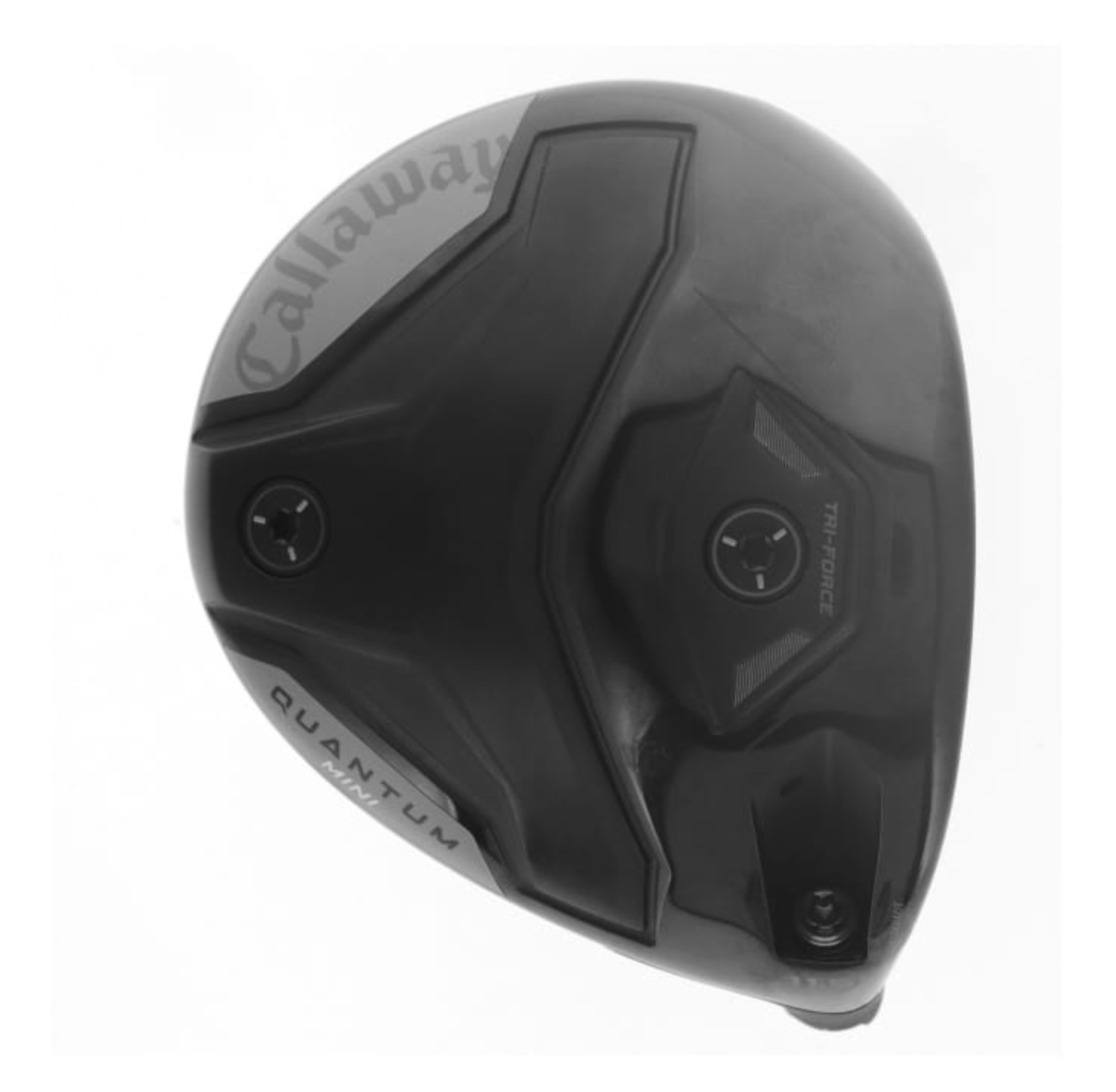
When Callaway’s new Quantum mini driver landed on the USGA’s conforming list this week, I knew it would spark conversations in our community. Equipment announcements always do. But here’s what I want you to understand: whether you’re considering a new mini driver or sticking with what you have, the real power in your game comes from understanding how these clubs fit into your strategy and swing.
In my 15+ years teaching professional golfers, I’ve watched the mini driver category evolve dramatically. What started as a niche club—something only tour players experimented with—has become a legitimate weapon for amateur golfers who want more distance off the tee without the difficulty of a traditional driver. The question isn’t just “which club should I buy?” It’s “how do I use this tool to lower my scores?”
Understanding the Mini Driver’s Role in Your Bag
Let me be direct: a mini driver is an accuracy tool first, distance second. If you’re currently gaming a 3-wood or hybrid in that 13-15 degree range, you already know this space. What makes mini drivers special is that they split the difference—they’re longer than a fairway wood but more forgiving and controllable than a full driver.
The new Quantum comes in two loft options: 11.5 and 13.5 degrees. Here’s why loft selection matters for your game. The 11.5-degree model will give you maximum distance with a slightly lower ball flight, making it ideal if you have solid swing speed and want to attack par 4s aggressively. The 13.5-degree version launches higher and lands softer, which means better control on tight driving holes and the ability to hit fairways under pressure.
One of my students—a 4-handicap who was struggling with driver consistency—switched to a mini driver off the tee on six holes per round. His fairways hit percentage jumped from 58% to 71%. That’s not because the club was magical. It’s because he could trust it. He could commit to his swing without fear.
What the Design Features Actually Mean for Your Swing
“The Quantum mini is supposed to have the same step sole design for better turf interaction and off-the-deck performance. With that and the Tri-Force face it makes it a more interesting option.”
When you read spec sheets, terms like “step sole design” and “Tri-Force face construction” can feel overwhelming. Let me translate what matters to your actual golf game.
The step sole design is about geometry—it’s the shape of the club’s bottom. Better turf interaction means the club moves through the grass more efficiently on full swings. More importantly, it helps if you ever need to hit this club from the fairway, which you will. I tell my students that the mini driver isn’t just a tee club; it’s a strategic weapon from 200 yards in.
The Tri-Force face is about energy transfer. Modern club faces are engineered to maintain ball speed even on off-center hits. This is real. It matters. But here’s the honest truth: the difference between a great face construction and a mediocre one is maybe 5-10 yards on mishits. Good technique and swing consistency will give you 30+ yards of improvement.
A Fitting is Your First Step
“I have a fitting booked for end of the month—hoping this head is available in the bays by then.”
This comment from our community resonates with me because it shows the right mindset. Equipment selection should never happen in a vacuum. You need data: your swing speed, launch angle, spin rate, and carry distance. These numbers tell you which loft is appropriate and whether a particular club will actually help your game.
If you’re considering a mini driver, here’s what I recommend: get a proper fitting. Don’t assume the 13.5 is right for you just because you hit 3-wood. Your swing speed, angle of attack, and ball flight preferences matter tremendously.
Practice Drills to Master Your Mini Driver
Drill 1: The Fairway Accuracy Test
Once you have your mini driver, spend time hitting it from the fairway. Set up a range scenario: pick a target 180 yards out, and hit 10 balls trying to finish within 15 yards left or right of that target. This builds trust. You’ll learn exactly how this club performs on various lies, which translates directly to course confidence.
Drill 2: The Loft Comparison
If you’re deciding between the 11.5 and 13.5, hit 20 balls with each at a launch monitor or during a fitting. Pay attention to three things: ball flight peak, landing distance, and how the club feels at impact. The “best” loft isn’t the one that goes furthest—it’s the one you trust most and that fits your course conditions.
Drill 3: Strategic Course Management
Play a practice round where you use your mini driver on every par 4 under 400 yards instead of driver. Notice how your scoring changes. Most golfers find their scores improve because they’re hitting more fairways and setting up simpler approach shots. Sometimes the longer club costs you strokes. The shorter one wins tournaments.
Your Next Step
“Please let there be a higher loft option too in the 15-17 range.”
This request shows golfers understand their needs evolve. You might eventually want options beyond what’s currently available, and that’s okay. What matters now is this: evaluate your current game honestly. Are you missing fairways? Do you want more control off the tee? Could better accuracy actually lower your scores faster than more distance?
The right equipment answers your specific needs. But the best equipment in the world won’t help you if your fundamentals aren’t solid. Focus on grip, stance, and rhythm first. Then add the right tools. That’s how you genuinely improve.


