









Mastering the Transition: Adjusting to New Golf Equipment
Every golfer knows the excitement of a successful fitting session. You walk away feeling like you’ve unlocked a new level in your game—numbers look promising, clubs feel great in your hands, and you can almost envision the immediate improvement in your performance.
However, upon taking those shiny new clubs to the course, the results might not align with your expectations. This year, I replaced some of my equipment and, despite a positive fitting experience, the transition to using those clubs on the course was anything but seamless. This experience highlighted an important yet often overlooked aspect of golf: any change, including new equipment, brings about a learning curve.
Key Strategies for Adjusting to New Clubs
When navigating the transition to new clubs, here are some strategies that can facilitate a smoother adjustment period:
1. Don’t Panic—You Didn’t Make a Mistake
Your first instinct might be to question your purchase—was the fitting process flawed? Did you pick the wrong equipment? In reality, a fitting is designed to align equipment with your unique swing, but it cannot bypass the adjustment period that accompanies any change. It’s essential to give yourself time to adapt to new feel, ball flight, and visuals.
2. Avoid Excessive Time on the Driving Range
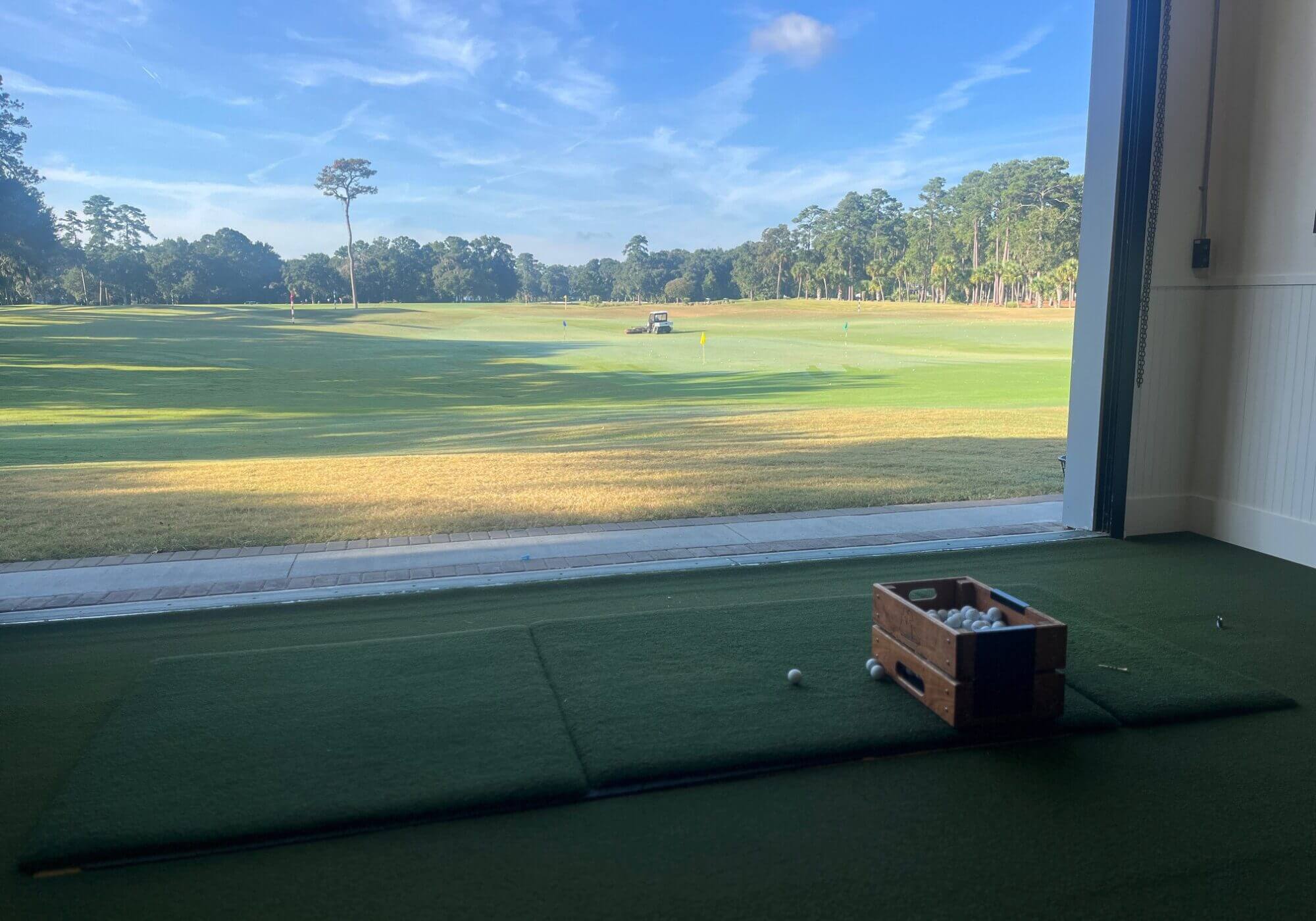
While practicing at the range is beneficial, it can also create a false sense of confidence. The range allows you to repeatedly hit the same club, leading to a false sense of security. On the course, however, every shot requires commitment and the ability to manage real outcomes.
For example, I had a tough time with my new 5-iron. Initially, whenever I faced a 175-yard shot, I looked for reasons not to use it. Once I committed to incorporating it into my play, my performance began to improve. Real-life situations build trust and familiarity with your equipment.
3. Give Yourself Time to Learn Ball Flight and Miss Patterns
New clubs come with a different set of tendencies regarding ball flight and miss patterns. While your old equipment had predictable behaviors, new clubs require a fresh learning process. Take time to observe how the ball behaves when you mis-hit, and how different lies affect your shot.
4. Be Prepared for Yardage Changes
During my fittings, I did not experience any significant loss in distance; in fact, I occasionally gained distance. Yet, once on the course, I noticed a slight drop-off. This change was largely due to hesitation—a lack of confidence in making solid contact. As I grew more accustomed to my new clubs, these issues naturally resolved themselves. Remember, consistent play often outweighs minor distance variations, so don’t focus too heavily on yardage when evaluating your performance.
5. Don’t Alter Your Swing for the Clubs
Your fitting was based on your existing swing, so there’s no need to force changes to your technique for the sake of new equipment. Adjusting your tempo or swing mechanics can lead to new issues and confusion. Stay true to your style of play, and allow your clubs to adapt to your swing. If you still struggle after sufficient time, other adjustments can be reconsidered, but initially, patience is key.
Final Thoughts
New golf equipment won’t instantly turn you into a better player. In fact, it often highlights aspects of your game you might not have noticed before. It took me several months to feel comfortable with my new clubs, and that learning curve is a natural part of the process. Embrace it as you work to master your new tools!
By understanding the transition to new equipment, you can enhance your performance and enjoy the game even more.


