







Ryder Cup 2025: A Deep Dive into Broadcast Bias and Its Impact on Coverage
The Ryder Cup is a storied event in the world of golf, celebrated not only for the fierce competition it brings but also for the national pride and allegiances that permeate each match. As we approach the 2025 Ryder Cup at the iconic Bethpage Black, discussions around media bias are heating up. This article examines how broadcast analysts, especially from Europe, manifest their team loyalties and how this affects viewer experience.
The excitement surrounding the Ryder Cup week is palpable, but so is the bias that often colors its coverage. Analysts, who are typically former professional golfers or seasoned commentators, have a vested interest in the outcomes of matches. This passion sometimes leads to an overemphasis on their home teams, which can be entertaining but also problematic. The 2025 Ryder Cup at Bethpage Black has witnessed European analysts taking this boosterism to new heights, exemplified by seasoned commentator Nick Faldo.
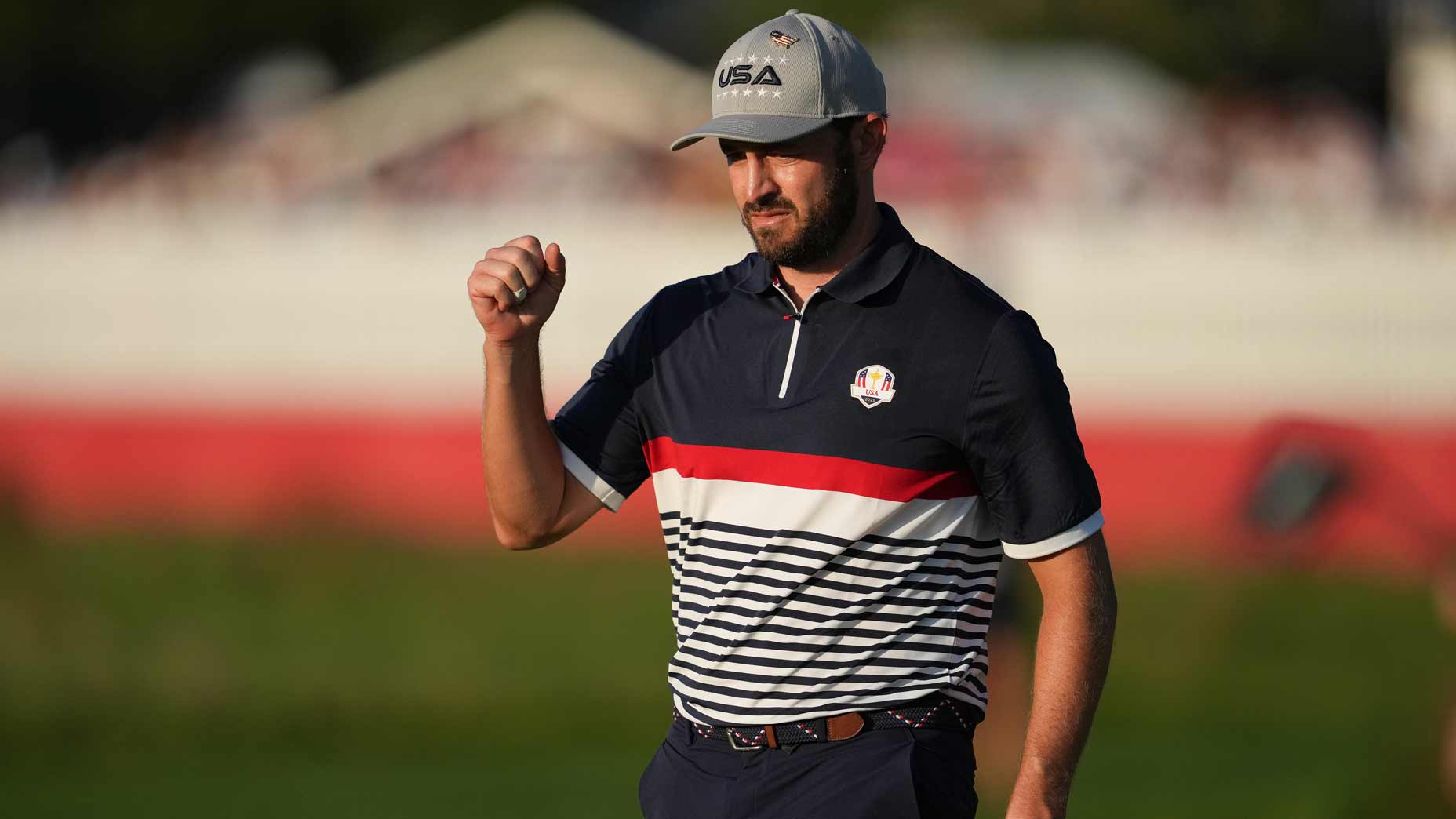
Faldo, who has a storied career, has recently draw attention for his critical remarks aimed at American player Patrick Cantlay. During a crucial match on Friday, Faldo was notably vocal about Cantlay’s slow play, drawing laughter from his co-commentators. This moment exemplifies how analysts can indulge their allegiances, but it also raises questions about how this impacts the viewing experience for fans—especially those supporting the opposing team.
Faldo’s comments took place during a nail-biting moment when Cantlay faced a pivotal birdie putt on the 14th hole, showcasing both his talent and the pressure of the situation. The broadcast echoed with Faldo’s quips about the slow pace, but it could be argued that such comments detracted from the gravity of the moment. This type of commentary may resonate with fans but can alienate those watching from the other side of the aisle.
Similarly, Paul McGinley, a revered figure in Ryder Cup history, sparked discussions regarding neutrality in broadcast analysis. McGinley currently serves as the strategic director for the European team while also providing insights during the USA telecast. This dual role raises ethical concerns about bias, as McGinley frequently referred to the European team as “we,” blurring the line between commentator and team member. Such behavior can skew perceptions, leaving viewers questioning the objectivity of the coverage.
Moreover, the American broadcast featured its own set of challenges. While many anticipated a balanced airing of the event, analysts like McGinley often tilted the scales in favor of European players. This criticism escalated during critical moments when McGinley’s comments began to contradict his earlier statements, leading to a palpable tension in the air. In a particularly revealing moment, fellow analyst Jim Mackay called attention to McGinley’s inconsistency, illustrating how layered biases can infiltrate analysis.
The clash of styles between American and European broadcasts intensifies the emotional stakes of the Ryder Cup. Fans tuning in may find themselves embroiled in a battle of loyalties, shaped by the narratives crafted by commentators. The American audience, expecting a neutral take, may feel subjected to a European lens that diminishes the authenticity of their experience. This ongoing dialogue around broadcast bias could spur initiatives for more balanced coverage in future tournaments.
As we delve deeper into the psychology behind broadcast commentary, it becomes evident that analysts have a unique opportunity to enrich the viewer experience. While it’s natural for commentators to have team loyalties, the true art lies in maintaining a balance that showcases the sport while acknowledging the thrill of competition. The challenge for broadcasters moving forward will be to find a way to engage viewers without compromising the fair representation of the game.
Looking ahead to the rest of the Ryder Cup week, it’s imperative to observe whether broadcasters will adjust their strategies. Have we reached a tipping point where analysts will recognize the need for balance, or will they continue to lean into national pride? Viewers will be watching closely, eager for a mix of insightful commentary that respects the spirit of the game.
In conclusion, while the passion and biases of analysts certainly add to the vibrancy of the Ryder Cup, it is crucial for broadcasters to strive for an element of balance. The potential for an enthralling viewing experience lies in the ability to foster an environment where all teams, and by extension all viewers, feel represented and engaged. As the 2025 Ryder Cup unfolds, the impact of these decisions could shape not only the tournament but also the future of golf broadcasting.


