








An In-Depth Look at Putters from the Grant Thornton Invitational
In the ever-evolving landscape of golf equipment, putters stand out as perhaps the most nuanced and personal clubs in a player’s bag. Unlike the more uniform approaches often seen with other clubs, putters come in a myriad of shapes, weights, and designs, catering to the unique preferences of individual golfers. This article delves into the intriguing world of putters featured at the Grant Thornton Invitational, the only PGA Tour-LPGA Tour-sanctioned event, highlighting the winning teams and their chosen tools of precision.
The Grant Thornton Invitational recently provided a unique platform for both PGA and LPGA Tour professionals to showcase their skills. This event not only featured riveting competition between standout talents but also offered a rich opportunity to analyze the contrasting styles of putters used by teammates. Such insights can significantly benefit both fans and players alike, as understanding these differences can help inform future equipment choices.
Winning Duo: Team Coughlin-Novak
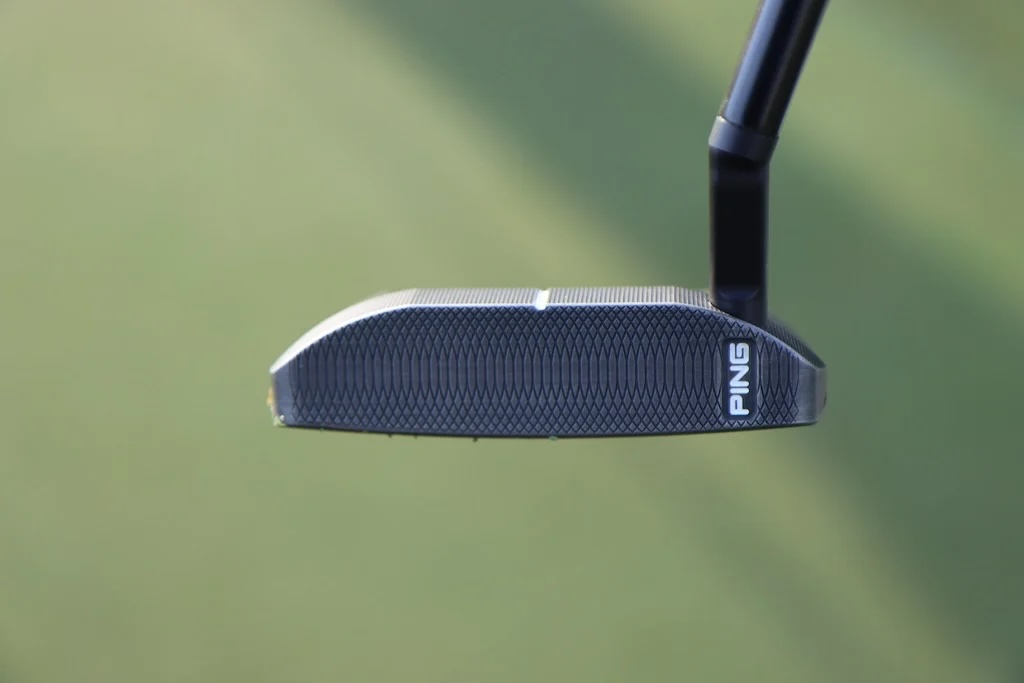
Lauren Coughlin, who played a pivotal role in her team’s success, opted for the Ping PLD Oslo 4 putter. This model is known for its design that promotes a smooth stroke and enhanced feel, crucial for those high-pressure moments on the green. The aesthetics of the Ping PLD Oslo 4 are as impressive as its performance, featuring a clean profile that appeals to many modern golfers.
On the other hand, Andrew Novak employed the Odyssey Ai One Milled Seven T S. This putter combines advanced technology with precision manufacturing, resulting in outstanding consistency. The balance and alignment features of the Odyssey make it a popular choice among professionals, as it aids in maintaining proper stroke mechanics, essential for sinking crucial putts.
The Hull-Brennan Pairing
The partnership of Charley Hull and Michael Brennan also showcased distinctive putting styles. Hull’s choice of the TaylorMade TP Soto putter reflects a design that prioritizes both performance and aesthetic appeal. It’s designed for optimal forgiveness and allows for versatile use on various green speeds, making it a favorite among elite players.
In contrast, Michael Brennan opted for the Scotty Cameron Phantom 7.2 Tour Prototype. Known for its exceptional craftsmanship, this putter offers an unparalleled feel and feedback, allowing Brennan to execute high-stakes shots with precision. The blend of traditional aesthetics and modern technology makes the Phantom 7.2 a timeless choice, combining classic design elements with cutting-edge functionality.
Analyzing Team Korda-Cauley
The pairing of Jessica Korda and Bud Cauley presented an additional rich narrative in the context of putter choice. Korda’s selection, the Scotty Cameron Timeless+ Tour Prototype, is renowned for providing enhanced stability and control. Its classic design, coupled with modern technological advancements, makes it a popular choice among professional golfers.
Cauley, on the other hand, used a Scotty Cameron Tour Prototype as well, showcasing the versatility and reliability that Scotty Cameron putters are known for. The consistency associated with these putters is backed by significant wins on tour, making them a staple in many professional golfers’ bags.
Team Thompson-Clark Dynamics
In another intriguing pairing, Lexi Thompson and Wyndham Clark showcased the advantages of their respective putters at the Invitational. Thompson’s Scotty Cameron GoLo N5 Tour Prototype is designed for optimal weight distribution, ensuring a smooth and consistent stroke. This putter has gained recognition for its ability to perform well on fast greens, making it a favorite among many tour professionals.
Conversely, Clark utilized the L.A.B. Golf DF3, which stands out for its unique design that emphasizes balance and alignment. The DF3 incorporates innovative technology that promotes a stable stroke, enabling players to achieve greater accuracy and control on their putts.
The Importance of Customization in Putting
A critical aspect to consider when discussing putter selection is the importance of customization. Each player’s putting style is deeply personal, leading to distinct preferences regarding weight, balance, and grip thickness. Some players may gravitate towards mallet-style putters, citing stability and forgiveness, while others may prefer blade models for their traditional aesthetics and feel.
The choices made by these talented professionals at the Grant Thornton Invitational highlight the significance of aligning equipment with individual play styles. By doing so, players can enhance their performance and ultimately improve their chances of sinking crucial putts during critical moments.
Trends in Putter Design
As technology continues to advance, trends in putter design have shifted significantly. The introduction of new materials, innovative face technologies, and enhanced alignment aids offers players an array of options to refine their games. Many players focus on the feel of their putters, often opting for softer materials to enhance feedback upon impact, leading to more confidence on the greens.
Moreover, with the rise of data-driven practices, players can analyze their stroke mechanics more effectively, allowing for more informed decisions regarding gear. These modern advances empower golfers of all levels to refine their putting techniques, ultimately resulting in lower scores.
The Future of Putting Technology
Looking ahead, the future of putting technology promises even more exciting developments. With ongoing research and development in golf equipment, we can expect greater personalization in putter fitting, including options for adjustable weights and customizable grips. These technological enhancements will allow players to tailor their putters more closely to their individual preferences.
Additionally, the integration of artificial intelligence and machine learning into equipment design will provide professional and amateur golfers with unparalleled insights into their games. This data-driven approach will not only make the sport more engaging but will also raise the bar for performance on the greens.
Conclusion
As seen at the Grant Thornton Invitational, the world of putting is as diverse as it is specialized. Observing the varied putters employed by top professionals sheds light on the critical role that equipment plays in shaping performance. Each putting tool tells a story of preference, technology, and innovation, reinforcing the idea that exceptional putting is multi-faceted and deeply rooted in individual artistry.
Ultimately, whether you are a professional or an amateur, understanding the dynamics of putter selection can profoundly impact your game. Embracing the choices that best suit your style and preferences can lead to dramatic improvements on the greens. As we continue to explore the evolving landscape of golf equipment, one thing remains clear: the perfect putter is out there just waiting to be discovered.


