







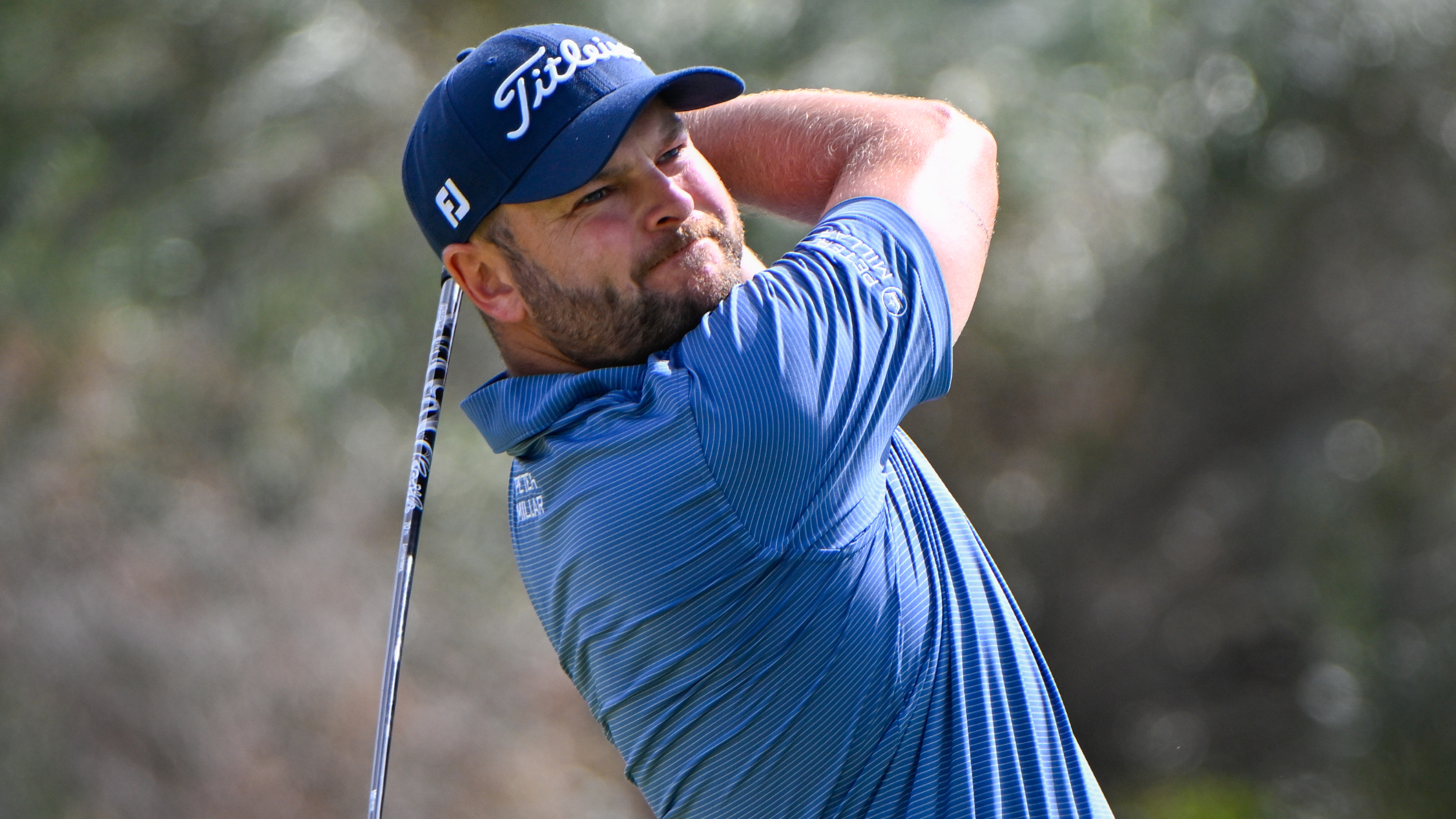
Patrick Reed’s DP World Tour Resurgence: The Comeback That Changes Everything
I’ve been covering professional golf since 1990, and I’ve learned that the most compelling stories rarely follow a straight narrative. Patrick Reed’s current trajectory on the DP World Tour is one of those deliciously complicated comeback arcs that reminds us why we love this game—for its capacity to surprise, humble, and occasionally vindicate those willing to bet on themselves.
When Reed left the PGA Tour for LIV Golf in 2022, I remember the conversations around the press room. Some said he’d made a catastrophic error. Others figured he’d land on his feet somewhere. But I don’t think many of us expected what’s unfolding now: a player so completely in command of his current venue that he’s already essentially secured a path back to the PGA Tour after just four events, while simultaneously positioning himself as a genuine threat to end Rory McIlroy’s four-year stranglehold on the Race to Dubai title.
What strikes me most about Reed’s current form is the efficiency of it. In my three and a half decades covering the tour, I’ve seen plenty of hot streaks that fizzle out after a few weeks. This feels different.
The Numbers Tell a Compelling Story
Let’s start with what jumped off the page at me: Reed has already accumulated 2,259.7 points in just four DP World Tour starts this season. To put that in perspective, Jordan Smith needed 29 tournaments and finished 16th in the Race to Dubai rankings last year to earn the 10th and final PGA Tour card via the “10 Cards Initiative” with 2,203.32 points.
“Even in a highly unlikely scenario where the top 10 of the Race to Dubai rankings is made up solely of players without PGA Tour status, the numbers look good for Reed. The player who came 10th last year, Alex Noren, accumulated 2572.72 points – just 313.02 more than Reed currently has.”
Do the math: Reed is only 313 points away from what would’ve guaranteed him a tour card last season, and he’s done it in a quarter of the tournaments. Having caddied for Tom Lehman back in the ’90s, I know something about efficient golf—about doing more with less. Reed is playing that game right now.
His win at the Dubai Desert Classic earned him 1,335 points alone. His victory at Qatar Masters added 585 more. These aren’t participation trophies we’re talking about; these are genuine, signature-event performances from a player who clearly had something to prove.
What Really Matters Here: The Context
But here’s where casual observers might miss the real story. Yes, Reed’s PGA Tour return is now all but assured via the Race to Dubai pathway. That’s significant. But what genuinely fascinates me is what this says about his current mindset and position.
“With over 30 tournaments remaining and the American free of PGA Tour commitments until at least August, he can largely concentrate on the DP World Tour – and the accumulation of more Race to Dubai points – as he bids to win the season-long title for the first time.”
Think about that. Reed essentially has a five-month window where he can play tournament after tournament without the pressure cooker of competing against the entire PGA Tour field. He’s playing on what you might call a “home tour” for these purposes—one where his game, his mentality, and his current hot streak are all clicking. That’s a massive advantage.
I’ve covered 15 Masters Tournaments, and if there’s one thing I’ve learned, it’s that confidence is gravity in golf. It pulls everything toward it. Reed’s playing confident golf right now, and every tournament he enters is an opportunity to build more points, more confidence, more momentum.
Can He Really Chase Down McIlroy?
Now, let’s talk about the elephant in the room: the Race to Dubai title itself. Rory McIlroy has won this thing for four straight years, including a monster 2024/25 campaign where he accumulated 5,975.10 points from 11 starts. In 2023/24, he posted 6,997.70 points—still the record.
Reed’s currently sitting at 2,259.7 points with a 451-point lead over Jayden Schaper. To catch McIlroy’s winning total from last year, he’d need 3,715.40 more points. To approach his personal record, he’d need to find nearly 4,718 additional points.
I’m not going to sit here and tell you it’s a certainty. McIlroy has been the most consistent and dominant force on the DP World Tour, and he’s not exactly going to take a vacation while Reed chases him down. But what I will say is this: Reed has the time, the tournament access, and the form to make it a genuine conversation. That wouldn’t have seemed remotely plausible three months ago.
The Bigger Picture
What also matters here—and this is something younger golf writers might not fully appreciate—is what this comeback represents for the broader ecosystem of professional golf. Reed took a calculated risk on LIV, and when that calculus changed, he was agile enough to pivot. That’s not weakness; that’s pragmatism.
“Reed’s full-time return to the PGA Tour looks all but assured, he also looks a solid bet for the Race to Dubai title.”
His guaranteed Masters spot from his 2018 victory, combined with his rapid world ranking climb to around 17th, likely secures him invitations to all four majors. For a player in his mid-30s who could have been left in limbo, that’s a lifeline that becomes a launching pad.
I’ve seen players make comebacks before. I’ve covered enough golf to know that narratives matter, but form and results matter more. Right now, Patrick Reed has both working in his favor, and that’s a dangerous combination for everyone else on tour.
Whether he wins the Race to Dubai or simply earns his PGA Tour card through the 10 Cards Initiative, one thing is certain: this season has already rewritten his story. And in golf, sometimes that’s worth more than any single trophy.


