







Pebble Beach 2026: Why McIlroy’s Return Matters More Than the Odds Suggest
Let me be straight with you—after 35 years watching this tour, I’ve learned that the narrative around a tournament is often more valuable than the favorites list. And right now, heading into the 2026 AT&T Pebble Beach Pro-Am, there’s a narrative worth paying attention to that extends well beyond Scottie Scheffler’s +300 odds.
Yes, Scheffler remains the prohibitive favorite. That’s justified. The man’s been playing a different sport than the rest of us for two years now. But what strikes me about this year’s Pebble field is something subtler—the return of Rory McIlroy as a genuine force at the beginning of the calendar, and what that signals about tour momentum as we head into spring.
The 21-Under Standard
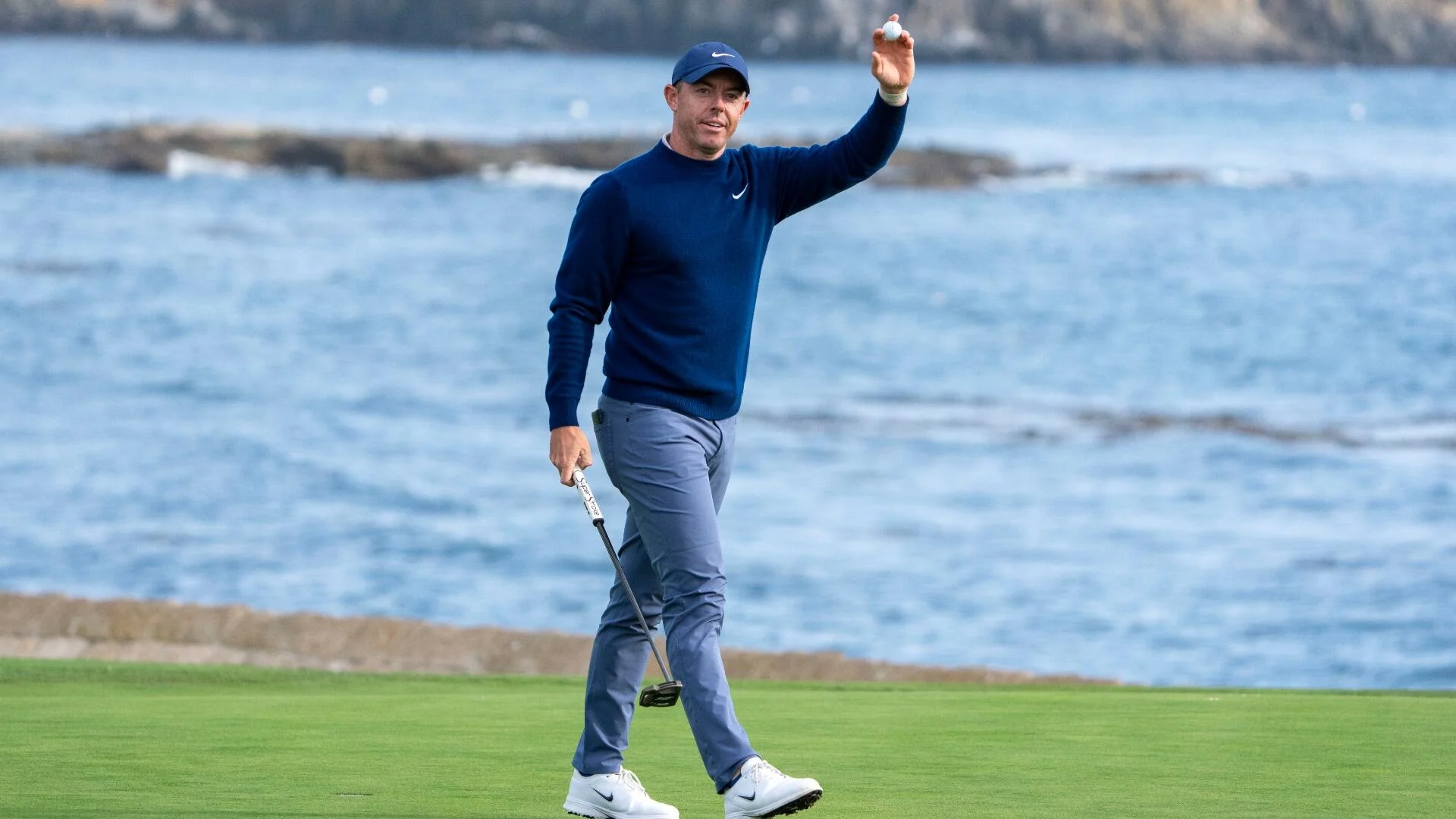
McIlroy’s 2025 victory here was historic, plain and simple. As the article notes:
“The defending event winner, McIlroy won at Pebble Beach with a score of 21-under-par last year, and that score to par is the lowest ever in the history of this tournament at this specific course. He broke par in all four rounds as that was his first of three victories in 2025.”
I’ve been to this tournament more times than I care to count—covered it since the late ’80s when it was still finding its identity on the tour calendar. I’ve never seen scoring like what we witnessed from Rory last year. The man didn’t just win; he fundamentally reset the expectations for what’s possible at Pebble’s relatively forgiving setup.
Here’s what matters: that 21-under performance tells us the golf course is playing shorter and softer than it used to. In my caddie days with Tom Lehman back in the ’90s, 15-under could win this thing outright. Now we’re talking about 21 as a standard-setting score. That’s not just weather or conditioning—that’s a tour-wide elevation in ball-striking prowess that’s only accelerated.
Length Without Weakness
What intrigues me most about McIlroy’s positioning for 2026 isn’t just that he’s defending champion. It’s that his skill set has matured in a way that directly counters the one knock against him over the years: consistency on short courses where length matters less.
“McIlroy was second in driving distance last season as his length off the tee will well position him for easier chips. Then once he gets on the green, McIlroy is coming off a year in which he ranked in the top 10 in putting average and strokes gained: putting.”
In my experience, elite players solve problems one at a time. Rory’s been methodical about eliminating weaknesses. He can still absolutely motor the ball off the tee—still second in driving distance, which at Pebble translates to manageable second shots into greens that reward precision. But more importantly, he’s become a legitimate putter. Top 10 in strokes gained putting is the kind of detail that separates one-time winners from repeat champions.
The +370 prop for McIlroy to finish as the top European? I think that’s value, honestly. Not because it’s a lock, but because the field of Europeans competing at Pebble has grown thinner in recent years. The guys who would typically challenge him—some of the continental players—simply aren’t in the field like they used to be. McIlroy’s competing against a smaller, less formidable European contingent than you might assume.
The Ryan Gerard Wildcard
I don’t want to bury the lede on something curious in this field: the emergence of Ryan Gerard as a player worth tracking. Three runners-up in four starts is the kind of streak that historically precedes a breakthrough. I’ve seen it before—a guy gets close enough to taste it, makes some small adjustments, and suddenly he’s in the winner’s circle.
Gerard’s at +5500 to win, which feels aggressive given his recent form. The top-5 prop at +1000 is more reasonable, but here’s what I’ve learned: the guys making multiple runs in tournament golf develop momentum that doesn’t always show up in traditional statistics. He’s learning how to finish tournaments. That’s not nothing.
A Word on the Signature Events
One last thought on why this tournament matters beyond the usual calendar reasons: this is the first Signature Event of 2026, which means the field is locked and mandatory for the tour’s elite. That removes a layer of complexity from prediction but adds legitimacy to everything we see. These aren’t guys strategically resting—they’re all showing up. The competition is as clean as it gets in modern golf.
Scheffler will probably win. That’s the smart money, and it’s smart for reasons. But McIlroy’s presence as defending champ with a legitimately improved game, combined with a tightened field of competitors, means we’re likely to see better golf this week than we saw last year—even if McIlroy doesn’t win himself.
After three and a half decades, that’s the tournament I want to watch.


