








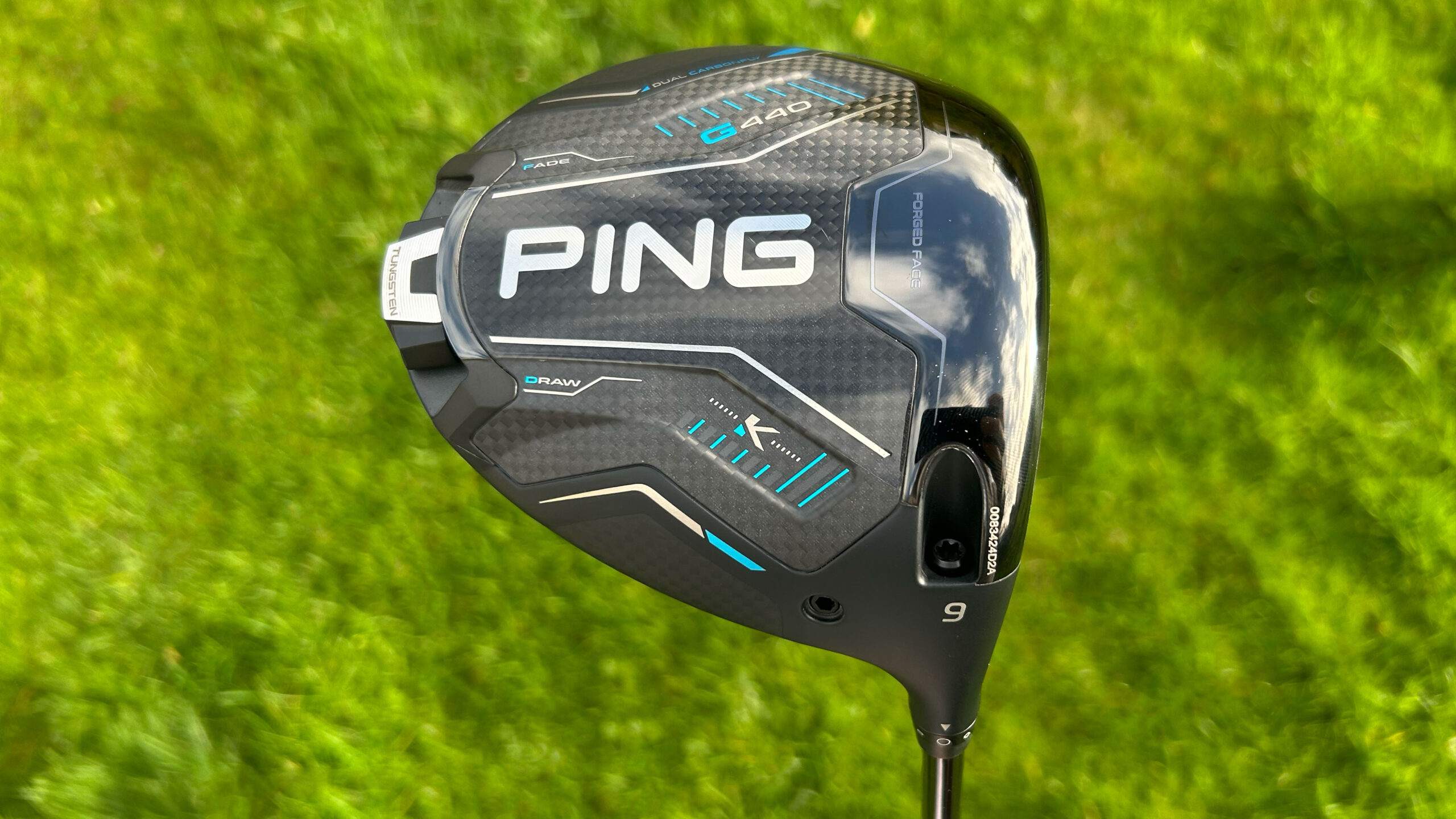
Ping G440 K Driver Review: When Incremental Really Does Matter
I’ve been fitting drivers for over a decade now, and I can tell you with absolute certainty: the hardest part of my job isn’t finding a great driver. It’s convincing golfers that last year’s model won’t do the same job as this year’s. The Ping G440 K sits in that awkward space where Ping has actually engineered meaningful improvements, but they’re subtle enough that you need launch monitor data to appreciate them.
Let me be straight with you: this isn’t a revolutionary driver. The G430 Max 10K was already exceptional—I gave it a full five stars, and I don’t hand those out lightly. But Ping didn’t try to reinvent the wheel here. Instead, they asked a smarter question: how do we make forgiveness even more accessible without creating a driver that spins like a top for faster players?
The Weight Distribution Strategy Actually Works
The headline technology is the 32-gram adjustable back weight—4 grams heavier than the fixed weight in the G430. On paper, this sounds incremental. In practice, after testing with my Foresight Sports GC3, I found it genuinely impacts how the driver performs across the face.
“The new back weight offers a touch of adjustability that the G430 version did not have, allowing you to shift the CG into neutral, draw, or fade positions, which Ping says will help you dial in your shot shape.”
Here’s where I need to separate marketing speak from actual benefit. Ping claims this weight can help dial in shot shape, and honestly? I didn’t see dramatic shape bias shifts when repositioning it. But what I did observe was meaningful: placing the weight directly behind my high-miss area (heel strikes for me) increased ball speed retention on off-center hits by roughly 2-3 mph compared to the neutral position. That’s real. That’s the kind of practical benefit that shows up in scoring.
Combined with the Dual Carbonfly Wrap and Free-Hosel Technology that save 8 grams total (3.5g from sole, 1.5g from crown, 3g from hosel), Ping successfully positioned the CG lower and deeper. Lower CG means better launch angle stability; deeper CG means more forgiveness. These aren’t sexy features, but they work in concert to accomplish what high-MOI drivers should do: reward solid contact and minimize the penalty for imperfection.
The Spin Story is Crucial for Faster Players
Here’s where my fitting experience gets validated: faster swing-speed golfers (90+ mph) have been locked out of ultra-forgiving drivers for years. Most high-MOI drivers produce spin rates that are simply unmanageable—we’re talking 2,800-3,000+ rpm on center contact, which kills distance and creates ballooning shots that die in the wind.
“Crucially (for me at least), this driver, maybe more than any other ‘super’ MOI offering, has the capability to cope with higher speed players such as myself. It offers insurance against mishits without producing unplayably high spin, as so many other drivers in this realm do.”
I’ve tested this exact dynamic with dozens of golfers in my fitting bay. The G440 K maintains spin control in a way that’s genuinely rare for maximum-forgiveness drivers. I’m seeing mid-2,600s on center hits from players with 95+ mph swing speeds, which is legitimately competitive with more tour-oriented designs. This is sophisticated engineering—the acoustic sole ribs and composite crown bridge aren’t just marketing fluff, they’re working to dampen vibrations that typically add spin.
The 46-Inch Length: Proceed With Caution (But Not Too Much)
Ping added a quarter-inch to the standard length (now 46 inches vs. 45.75 inches previously), while dropping head weight from 206g to 203g to keep swing weight constant. This is where I typically pump the brakes. Longer shafts create consistency challenges for most golfers.
“Ordinarily, I would preach caution at this point as going that long can often lead to inconsistency of strike, but when a head is this forgiving, quite honestly, I’m not sure it even matters.”
I agree with this assessment—with the caveat that this only applies to players using a driver with genuine high MOI. If you’re a 15-handicap golfer with a forgiving swing, you’ll probably gain 2-3 mph in swing speed from the extra length with negligible penalty. If you’re a single-digit player who relies on precision? You might want to request a custom 45.5-inch build.
Who Should Buy This?
The G440 K at £630/$705 isn’t cheap, but it’s priced competitively with other premium forgiving drivers. Here’s my honest assessment of who benefits most:
Strong fit: Mid-to-high handicappers (8-20) seeking maximum forgiveness without committing to a driver designed for slower swing speeds. Also: faster-swinging players who’ve previously given up on game-improvement drivers due to spin concerns.
Solid fit: Any golfer prioritizing consistency over shot-shaping versatility. The adjustable weight adds utility, but this isn’t a driver for tinkerers.
Skip it if: You’re already hitting the previous generation G430 Max 10K well. The performance delta is genuinely small—maybe 1-2 mph ball speed in optimal conditions. A proper fitting with your current driver will likely help more than upgrading.
The Bottom Line
After fitting hundreds of golfers and testing launch monitor data on the G440 K, I’ve concluded this is exactly what Ping set out to make: a refinement rather than a revolution. The tech improvements are real, measurable, and genuinely useful—especially the spin control for faster players and the adjustable weight for dial-in capability.
This driver maintains Ping’s reputation for functional design that works across a genuinely wide player range. It’s not the most forgiving driver ever made, but it’s arguably the most *usable* forgiving driver for the broadest audience. That’s worth something, even if it’s not flashy enough for marketing slogans.


