







PING Putters: A Journey from Yesterday to Today
PING has been in the putter game for ages. Seriously, if you’ve had a putter in your hands, there’s a good chance that a PING model played a role in a PGA Tour win before you even existed. For many of us, PING has always been around, just like your favorite old diner or that big oak tree at the end of the street. You don’t give it much thought day-to-day, but it’s a constant presence that’s hard to ignore.
From Humble Beginnings
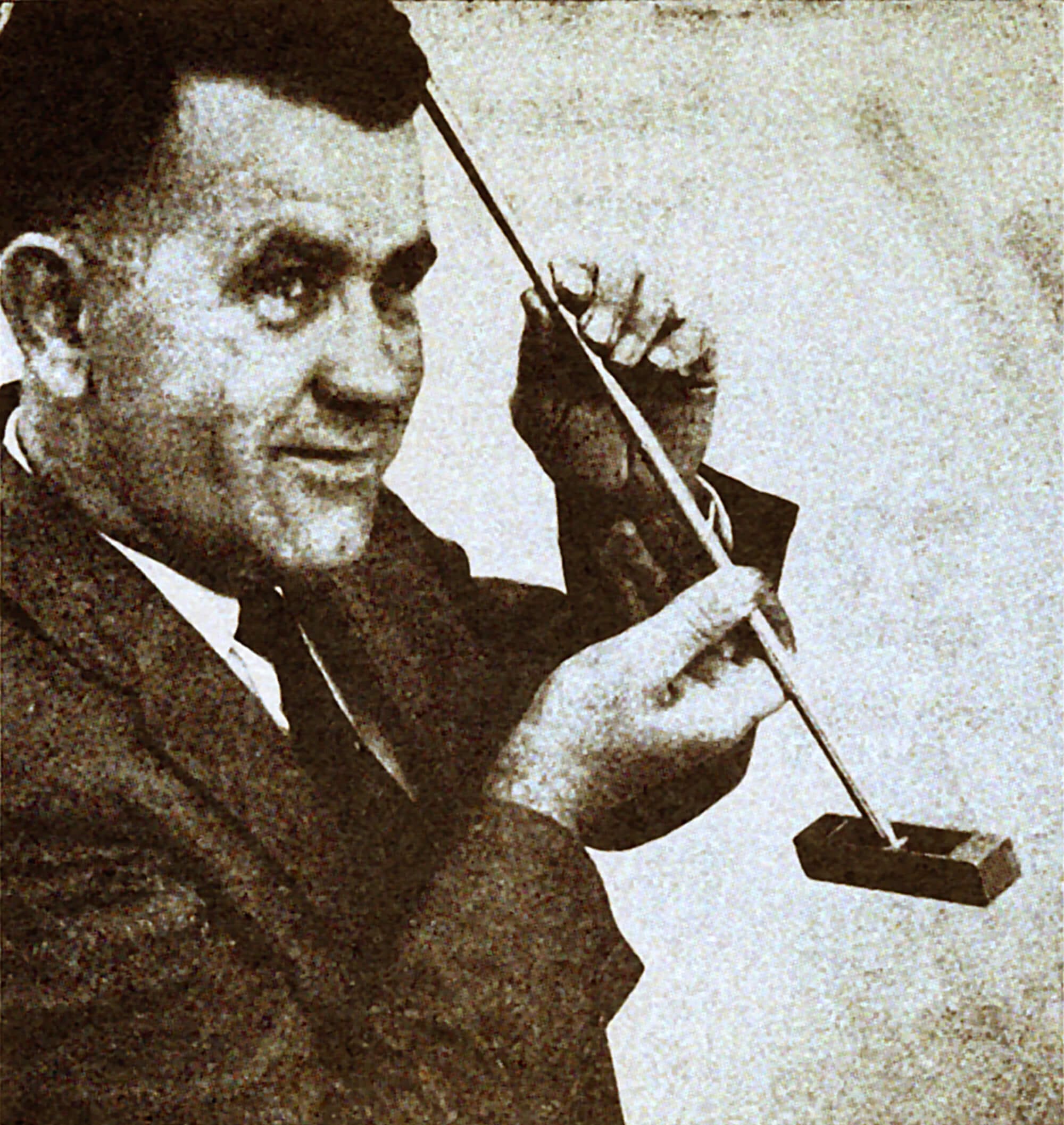
When you think about it, PING started small, but boy, did it blossom! It’s much like that oak tree—steady, sturdy, and reliable. It all began with a putter that’s likely off most people’s radar, yet it’s where it all kicked off: the PING 1A. Founded in the late ’50s by Karsten Solheim, who was just a guy dabbling in putter design while working as an engineer at General Electric in California, the journey was nothing short of iconic.
The PING 1A hit the mark by changing the game. Thanks to a design that anchored the shaft to a floating sole, it generated better top spin than most putters of its time. Plus, the boxy look? Definitely a departure from the classic heel-shafted putters that were all the rage back then. Oh, and it had a unique “PING” sound at impact, giving the brand its name. It was literally the putter that went “PING!”
The Anser That Changed Everything
Fast forward to January 1966, when Karsten was soaking up the vibes from the Los Angeles Open. Inspired, he sketched out what would become the PING Anser on a record sleeve. Yes, you heard that right—he literally turned a vinyl sleeve into a blueprint! The Anser quickly became the answer for golfers everywhere and sent waves through the golf world.
After rolling out the Anser, PING went from a niche player to a household name. Not only was Jack Nicklaus using it, but when Gary Player picked one up and bested Nicklaus at a major, it was game over. The Anser wasn’t just a putter; it became a legend, spawning countless copies and inspiring an entire category known as “Anser-style” putters.
Fast Forward: A Legacy of Innovation
Jumping ahead about 50 years, the PING saga is still one for the books. If you want to dive deep, I highly recommend checking out “And the Putter Went… PING” by Jeffery B. Ellis. It’s a treasure trove of stories that go even beyond what I can cover here, and trust me, you’ll find some quirky tidbits worth chatting about at the next golf gathering!
But let’s bring it back to now. Over my 15 years with MyGolfSpy, I’ve seen PING constantly innovate. Their reputation for engineering excellence is unmatched, and they’re not slowing down anytime soon.
The Game Changer: iPING App
One of the coolest innovations? The iPING app. They turned club fitting into a more personal experience. No more guessing your ideal specs; you just attach your smartphone to your putter and get real-time feedback on your putting stroke. It can analyze your stats and even suggest what type of putter would complement your game best. How’s that for being tech-forward?
Ketsch: The Putter That Blew My Mind
Here’s a personal anecdote: the PING Ketsch made me realize that putters truly do have an impact on performance. During its 2014 Most Wanted Mallet competition, this thing knocked it out of the park. Aesthetically, it looked unique, but when it came to sinking putts, it was no contest. Hitting 49 out of 50 five-foot putts, the Ketsch was a game-changer that turned heads and dropped jaws.
PING PLD: A Trendsetter
Then came PING’s Putting Lab Design (PLD) program, shaking things up yet again. This initiative covers all of PING’s milled putter offerings, and they’ve got some cool options. Whether you go with the stock Milled Plus or want to go all out with a fully custom option, there’s a fit for nearly every golfer. Personally, pouring some of my own personality into a putter with customizable features, like alignment schemes and paint fill, is a no-brainer for me.
Customizing Your Putter Bliss
Looking for something ultra-personalized? Check out the PLD Custom program. Here’s how it works: you start off with a fitting session using the iPING app and capture your stroke data. Then, you engage in a virtual sit-down with a PING fitter to design your dream putter. This ain’t just a putter; it’s a one-of-a-kind piece tailored for your game—albeit at a price of around $1,450. While that might sound hefty, think of it as an investment in your golf journey. After all, why trial-and-error with multiple putters when you can get one that’s ‘you’?
Next-Level Casting: Scottsdale Putters
Let’s shift gears a bit. While PING continues to rock the milled putter world, they’re also refining the casting process. Their new Scottsdale line? A hit! With two-tone aesthetics and a revitalized insert formula, it shows how PING explores the functional side of inserts. These details showcase their commitment to performance and pitch them right against competitors like Odyssey.
What’s Next for PING?
Now, a question on many golfers’ minds: will PING jump on the zero-torque train? Currently, they haven’t rolled out a putter like that. They’ve experimented with reduced torque in the past but consciously retain a certain amount in their builds. Their innovative Fit for Stroke fitting system ensures the rotation of the putter aligns with players’ swing paths. It’s all about the connection—making sure torque suits your unique swing mechanics.
The Future Looks Bright
From its humble garage-based beginnings to a major player in the industry, PING has stuck with its core mission: build better putters. And just like that massive oak tree in my neighborhood, PING quietly thrives without needing to shout about its successes.
Maybe it would be fun to see them bring a little flair to their victories, though? I mean, imagine a gold putter entering the vault with a dramatic flair! But then again, PING seems to prefer letting their equipment speak for itself.
As we look forward to the 60th anniversary of the PING Anser, one can only wonder if we’ll see another iconic product emerge from their R&D lab. If history tells us anything, it’s that PING is going to keep engineering its way into our hearts—one putter at a time.
So, who knows? Sixty years from now, we might still be talking about today’s models just like we do about the legendary Anser. If someone’s going to pull it off, you can bet it’ll be PING!
If you’re looking to explore more about PING putters, check out their website here and see what’s new on the horizon. Happy putting!


