









Building Your Own Home Golf Launch Monitor: A DIY Guide
Introduction to Coleman Rollins’ DIY Project
If you’ve been exploring golf content on social media, especially TikTok, you might have seen Coleman Rollins embarking on an ambitious DIY project: constructing a home golf launch monitor from scratch. With over 11,000 followers, Coleman provides regular updates, showcasing the journey of his garage build fueled by curiosity, persistence, and engineering know-how.
Exclusive Q&A with Coleman Rollins
I had the opportunity to connect with Coleman Rollins for a detailed Q&A session. He shared insights about the time commitment, costs, technical hurdles, and his advice for golf enthusiasts considering a similar project.
Motivation Behind the DIY Launch Monitor
Gianni: What inspired you to build your own home simulator rather than purchasing one?
Coleman: I found myself frequently tempted to buy a launch monitor, but each option had significant downsides—high costs, subscription fees, or inadequate metrics. Given my software engineering background, I thought, why not try building one myself?
Initial Challenges and Learning Curve
Gianni: How intimidating was it to identify all the necessary parts for the project?
Coleman: Initially, it felt overwhelming since I had no background in hardware or radar technology. However, utilizing AI tools helped me identify essential components, leading me to choose a radar-based monitor as a more cost-effective and quicker option.
Time Investment
Gianni: How many hours have you dedicated to this build, including components that didn’t make the final cut?
Coleman: Estimating is tricky, but I’d say I’ve invested at least 150 hours. I pushed hard during my time off last December, working on it daily.
Project Costs
Gianni: What is the current total cost, and how does it compare to your initial budget?
Coleman: The total cost for the materials currently in use is about $350. While I initially hoped to keep it around $200, I opted for a more sophisticated radar, which has proven worthwhile. I’ve also spent an additional $200-$300 on unused parts and software-related services.
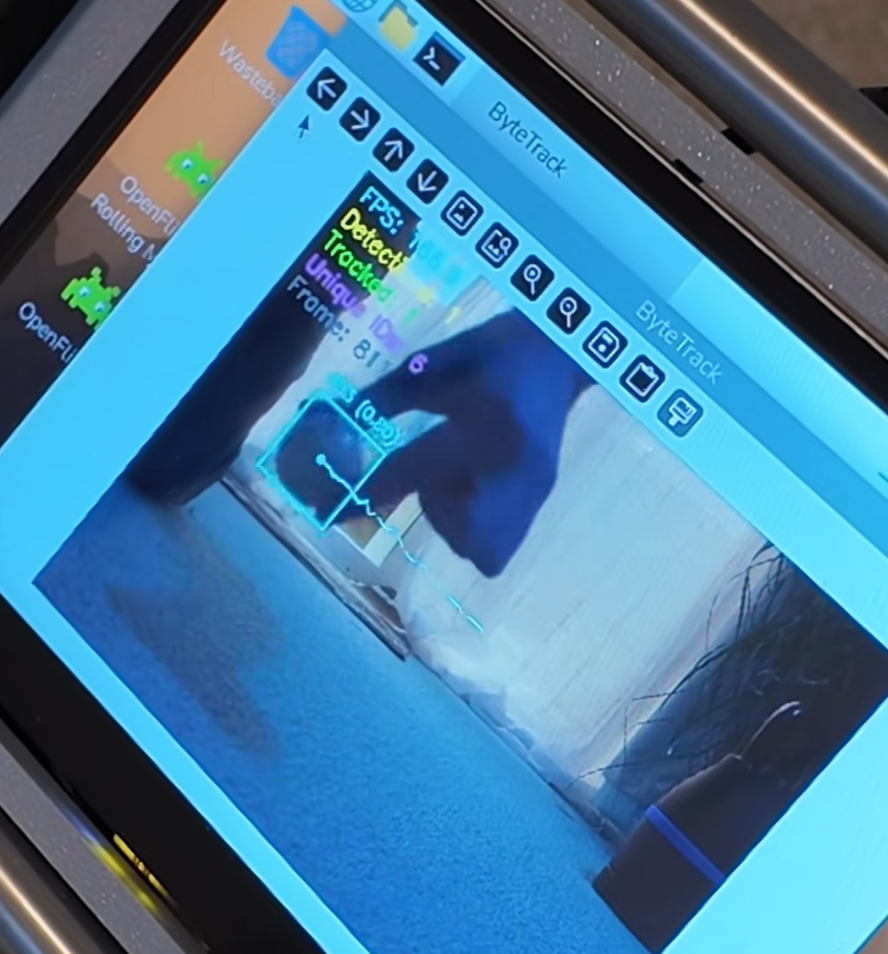
In Part 38, Coleman improved the ball tracking capture from 30 to almost 180 frames per second.
Core Technology
Gianni: What sensing method are you employing, and what trade-offs did this choice entail?
Coleman: My launch monitor is built around Doppler radar. Although there’s ongoing debate about whether camera-based systems are superior, Doppler has shown to be a viable high-end alternative. The trade-off lies in requiring less computational power, making it ideal for someone on a budget.
Monitoring Accuracy
Gianni: What aspect currently limits the overall accuracy?
Coleman: I’m focused on fine-tuning the radar. Each moving object, like a golf club, has a unique radar frequency, and by analyzing these frequencies during swings, I can improve data processing for accuracy.
Common Pitfalls for DIY Enthusiasts
Gianni: Where do you think aspiring builders might go wrong?
Coleman: Small hardware differences can lead to complications. However, I’ve documented everything thoroughly, including all necessary steps and where to find the code, making it easier for others to follow.
Advice for Golf Enthusiasts
Gianni: What’s your top piece of advice for someone interested in undertaking this DIY project?
Coleman: Just go for it! Patience is crucial, but the learning experience has been rewarding. All the guidance and code I’ve created are available for free, so if this project excites you, the resources are out there.
Conclusion
Coleman Rollins’ DIY journey is a testament to creativity and perseverance in the golf world. Whether you’re a seasoned player or a tech-savvy enthusiast, this project highlights the potential for innovation within the sport. With the right approach and resources, building your own home golf launch monitor may be more achievable than you think.
For more updates on Coleman’s progress, follow him on TikTok. Happy golfing and building!


