









Understanding Golf Rules: What Happens When a Divot Affects Your Ball?
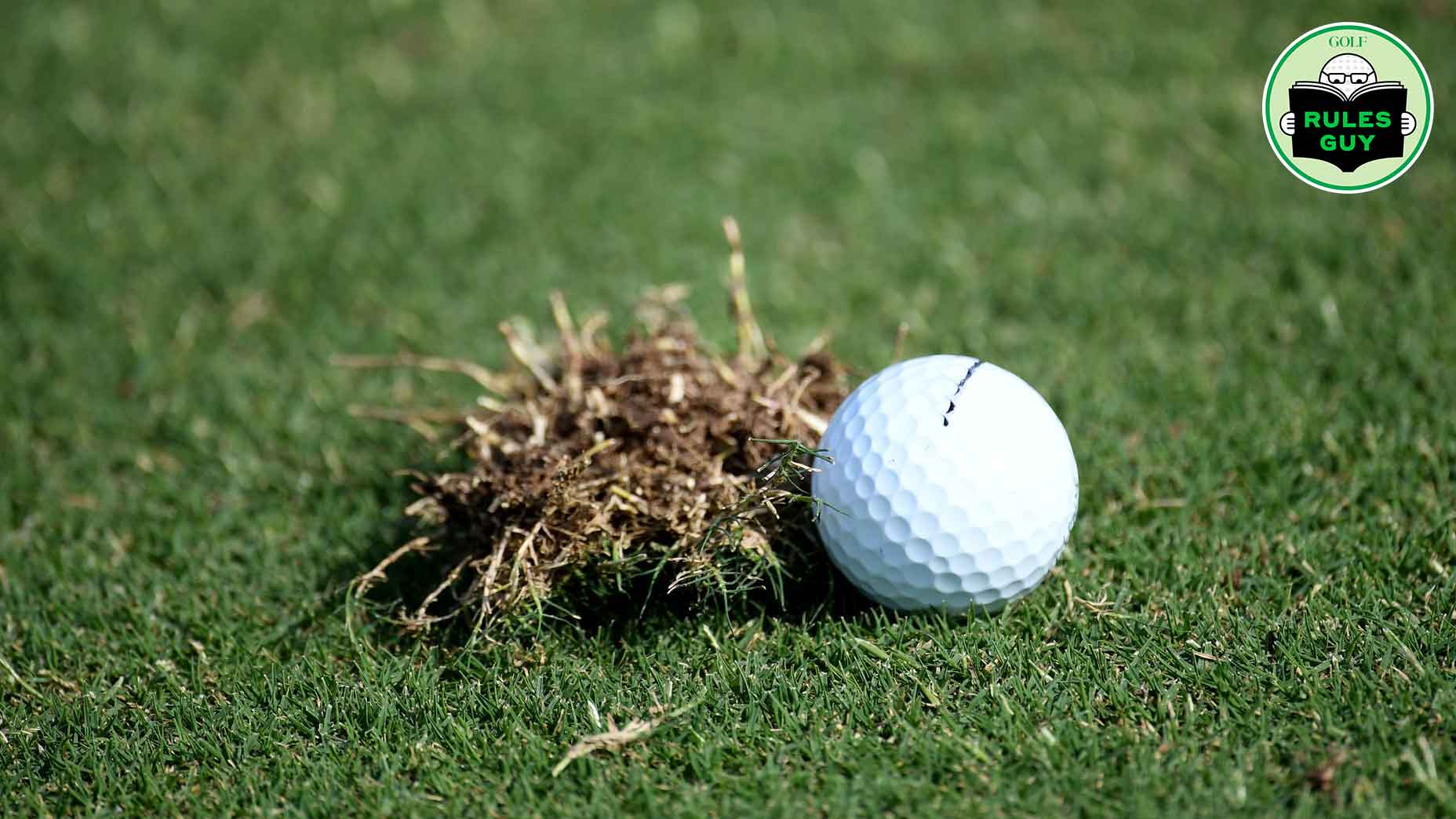
Golf is a game rich with tradition and etiquette, which includes a detailed set of rules governing many aspects of play. One of the areas that often leads to confusion is what happens when your ball encounters an unexpected obstruction during its flight, such as a divot. For many golfers, the question arises: if my divot collides with my ball and stops it from rolling, is that considered a penalty? Let’s dive into the intricacies of golf rules to clarify this situation.
The Role of Divots in Golf
A divot is essentially a piece of turf that is dislodged from the ground when a golfer strikes the ball. This phenomenon is especially common in turf-based games like golf, where the quality of the playing surface can significantly impact play. Understanding what constitutes a divot and knowing how to handle them on the course is essential for every golfer. But what happens when a divot intersects with your ball? This is where confusion often arises, leading to questions about penalties and play.
What the Rules State
According to the official rules of golf, specifically Rule 15.2a, a ball in motion can be influenced by various factors, including a divot. If your ball happens to strike a divot while it is airborne and this interaction stops the ball from rolling, there are specific guidelines you must follow. The rule clarifies that any interference caused by an object that is not a player or temporary movable obstruction does not result in a penalty.
No Penalty for Divot Interference
One reassuring aspect of the rules is that a golfer will not incur a penalty for a ball that strikes its own divot. When the ball contacts a divot and comes to a halt or changes its trajectory, the golfer must simply assess the situation and take the appropriate next steps without fearing any penalties. This rule helps maintain the integrity of the game and ensures that players can focus on their performance rather than worrying about random occurrences.
The Importance of Course Management
Understanding how to manage divots and other course conditions is critical for any golfer. It’s advisable to remain aware of your surroundings on the course, as well-maintained grounds can dramatically improve your experience. Addressing divots appropriately—whether by replacing them or repairing them using proper techniques—can help reduce the likelihood of negative encounters during play. Being courteous to fellow golfers and the course itself is part of the game’s spirit.
Decision-Making after a Collision
If your ball encounters a divot and is halted, the tournament rules require you to assess your position and determine your options moving forward. According to a commonly referenced guideline, you may need to take action based on the situation, such as re-hitting. However, it’s important to consult the local course rules or the specific tournament guidelines, as nuances can vary based on regulations in place.
Practical Advice for Golfers
While encountering a divot may be unexpected, golfers should remain calm and composed. If your ball strikes a divot and comes to a stop, take the time to analyze the situation and proceed according to the rules. Remember, the game not only tests your physical skills but also your mental acuity under uncertain circumstances. Practicing patience and good decision-making can significantly enhance your overall performance.
Seeking Guidance
For the novice golfer or even seasoned players, uncertainties regarding the rules can be daunting. Engaging with practice rounds, formal education about the rules, or even consulting with experienced golfers can help clarify common dilemmas. Golf clinics and local tournaments often provide opportunities to learn more about the rules of the game, including what to do when faced with unique scenarios like a divot impacting your ball.
Building Your Golf Knowledge
Fostering a deep understanding of golf rules not only assists in navigating the game more competently but also promotes good sportsmanship. Being aware of how to react when encountering a divot or any other obstacle will help you maintain focus and improve your skills. Consider developing a study habit for the rules of golf as part of your overall training regimen.
Conclusion: Embrace the Game’s Rules
In summary, encountering a divot during play can lead to surprising outcomes, but understanding the rules provides clarity and confidence. The key takeaway is that if your divot interferes with the flight of your ball, you won’t incur a penalty. This understanding allows you to embrace the challenges of the game without fear of consequences. As you delve deeper into the sport, always remember that the rules are here to enhance your experience and foster camaraderie on the course. For every golfer, getting acquainted with these rules is not just beneficial but essential for a fulfilling golfing experience.
This article emphasizes the importance of understanding the rules regarding divots and how they affect gameplay. For further details, feel free to visit the official resources on golf rules, and always remember that playing with integrity is just as crucial as honing your skills on the course.


