








The Future of the Ryder Cup: Justin Rose’s Aspirations and Upcoming Challenges
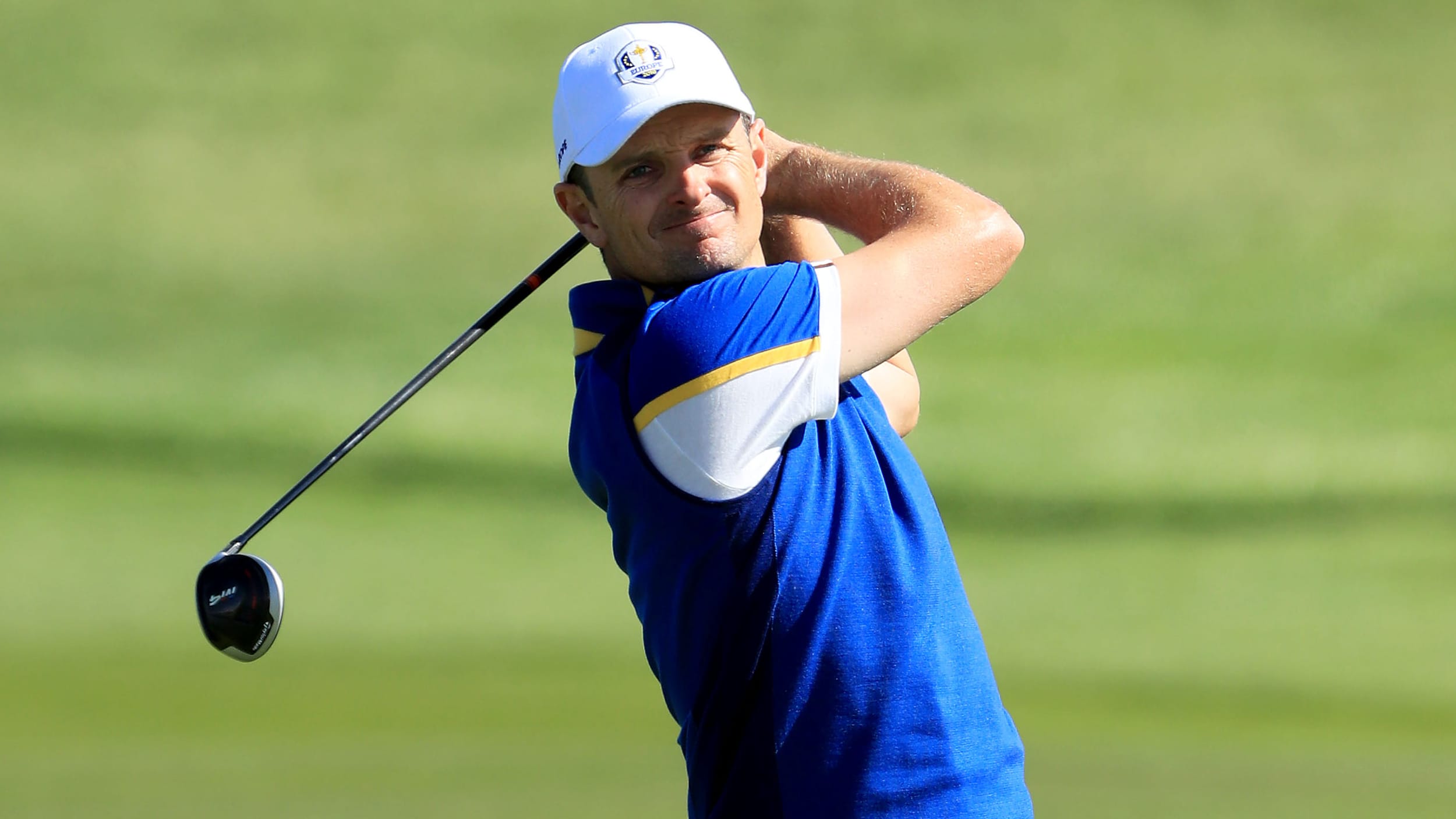
The Ryder Cup is one of the most celebrated events in professional golf, showcasing intense competition between the best players from the United States and Europe. As momentum builds leading up to the 2025 Ryder Cup at Bethpage Black, discussions are eagerly focused on potential leaders for Team Europe. One prominent name emerging as a frontrunner is Justin Rose, who recently shared his thoughts on the immense honor of captaining the European squad.
Justin Rose: A Contender for Ryder Cup Captaincy
At 45, Justin Rose is not only a seasoned player but also a respected figure in golf. Following his thrilling victory at the FedEx St. Jude Championship, which secured his spot in this year’s Ryder Cup, Rose’s name has been floated as a candidate for captaining Europe in the 2027 edition scheduled for Adare Manor in Ireland. He recognizes that stepping into this role is not just about leading a team but also about fostering a winning culture and camaraderie among players.
Rose’s illustrious career—coupled with his understanding of the dynamics involved in representing Europe—makes him a strong candidate. He believes that having previously played alongside some of the best in the game gives him a unique perspective on what it takes to excel in the high-stakes environment of the Ryder Cup. His admiration for the current captain, Luke Donald, further highlights his seriousness about the position.
The Changing Landscape of Ryder Cup Leadership
The Ryder Cup has evolved over the years, and with that evolution comes a fresh perspective on the qualities required for effective leadership. Luke Donald’s role as captain has set a new precedent, especially given his recent elevation to captaincy when Henrik Stenson was sidelined after joining LIV Golf. Rose suggests that having a player-captain dynamic could be a recurring theme in future tournaments, as it merges competitive play with strategic team management.
Keegan Bradley is another noteworthy figure who looks poised to take on the player-captain role for the U.S. team. His charismatic personality and competitive spirit could set the stage for an exciting rivalry between Bradley and Donald, creating a narrative that enthralls golf fans globally. These leadership shifts reflect emerging attitudes toward the captaincy—blending the responsibilities of guiding a team with actually competing on the course.
Analyzing Player-Captains: A Modern Approach
Rose’s perspective on player-captains stems from the modern complexities surrounding the Ryder Cup. With longer commitments and increased media scrutiny, the captaincy can become an all-consuming role. He proposes that it might be beneficial for future captains to oversee both home and away Ryder Cups. This duality would allow them to build a deeper rapport not only with the players but also with fans and the media.
"I don’t think there’s ever a perfect time to be Ryder Cup captain," says Rose. This sentiment clarifies the significant responsibilities that come with the role, highlighting the emotional and physical investment required. The lengthy commitment—often lasting over a year—means that captains must embrace both a leadership and a competitive mindset, navigating the pressures of representing an entire continent.
Justin Rose’s Personal Goals in Golf
As he contemplates his candidacy for the Ryder Cup captaincy, Rose expresses a desire to meet the expectations that come with leadership. He acknowledges that it’s a "huge honor" and sees this role as something that aligns with his long-term aspirations within the sport. The upcoming tournaments leading to 2027 provide a golden opportunity for him to showcase his commitment to excellence while positioning himself as a viable leader.
Rose’s strategy involves balancing competitive play with his readiness to step into a leadership role. He shares, “There’s never a perfect time to do it, but the opportunity for me personally, it’s a huge honor, and I’d love to take it on.” This illustrates both his understanding of the gravity of the position and his ambition to contribute significantly to European golf.
Keegan Bradley’s Dual Role as Player-Captain
Meanwhile, across the Atlantic, Keegan Bradley is carving his own path ahead of the Ryder Cup. His form this year puts him in a precarious position as he balances the expectations of performing as a player while also preparing to lead. Rose acknowledges the difficulties Bradley might encounter, recognizing the unique challenges posed by a dual-role approach.
“Bradley has played almost too well for his own liking,” Rose observes. The pressure to accumulate points while also strategizing for the overall team dynamics can create a complex situation for Bradley. His success on the course contributes to higher expectations—not just from himself but also from his teammates and fans. Finding a balance will be crucial for him as his captaincy unfolds.
The Impacts of Ryder Cup Leadership Changes
The shifting dynamics of Ryder Cup leadership mirror broader changes in professional golf, where players often face conflicts regarding team allegiance and personal ambition. Rose contemplates how these new directions may impact the European team, especially with significant talents like Poulter, Westwood, and Garcia being absent this time around. This shift allows players like Donald and Bradley to demonstrate their leadership in a more defined role.
As different styles of leadership emerge, fans can expect to see the impact play out on the course. The interplay between established players and newer talents will shape the strategic landscape for years to come. They will not only compete against each other but will also redefine expectations of what it means to lead a team.
The Importance of Team Cohesion in Golf
Part of what makes the Ryder Cup special is its emphasis on team cohesion amid individual brilliance. The game of golf is traditionally seen as solitary, but the Ryder Cup fosters a unique atmosphere where collaboration becomes paramount. Justin Rose believes that building relationships within the team is just as crucial as having top-notch individual performances.
Rose’s experience clearly illustrates the importance of teamwork and loyalty, especially as he reflects on his interactions with fellow competitors. His own approach to leadership will likely focus on fostering this sense of community, helping players mesh their individual talents into a cohesive unit poised for success.
Looking Ahead: What Lies Beyond 2025
While the 2025 Ryder Cup at Bethpage Black looms just ahead, the implications of the upcoming matches extend far beyond that date. As both teams grapple with new players and leadership structures, golf enthusiasts will be treated to an evolving narrative that not only discusses winning but also celebrates the spirit of sportsmanship.
Rose’s and Bradley’s potential leadership roles could shape the future trajectories of their respective teams, influencing everything from player selection to training strategies. Their experiences on and off the course will serve as valuable lessons for future generations of golfers, ensuring that the Ryder Cup remains a dynamic and engaging competition.
Conclusion: Embracing the Challenge
As discussions heat up surrounding Ryder Cup leadership, figures like Justin Rose and Keegan Bradley illustrate the challenges and opportunities that come with such a prestigious role. Whether as competitors or captains, the prospect of guiding their teams through one of golf’s most storied events will require both commitment and creativity.
With the 2025 Ryder Cup just around the corner, the excitement extends well beyond the upcoming matches. The anticipation of their leadership styles, strategies, and approaches promises to captivate fans and elevate the spirit of competition for years to come. Rose’s admiration for the captaincy adds an interesting layer to the narrative—one that foreshadows an intriguing rivalry between Team USA and Team Europe in the near future. The quest for Ryder Cup glory continues, poised for new chapters rich with challenges, stories, and unforgettable moments.


