









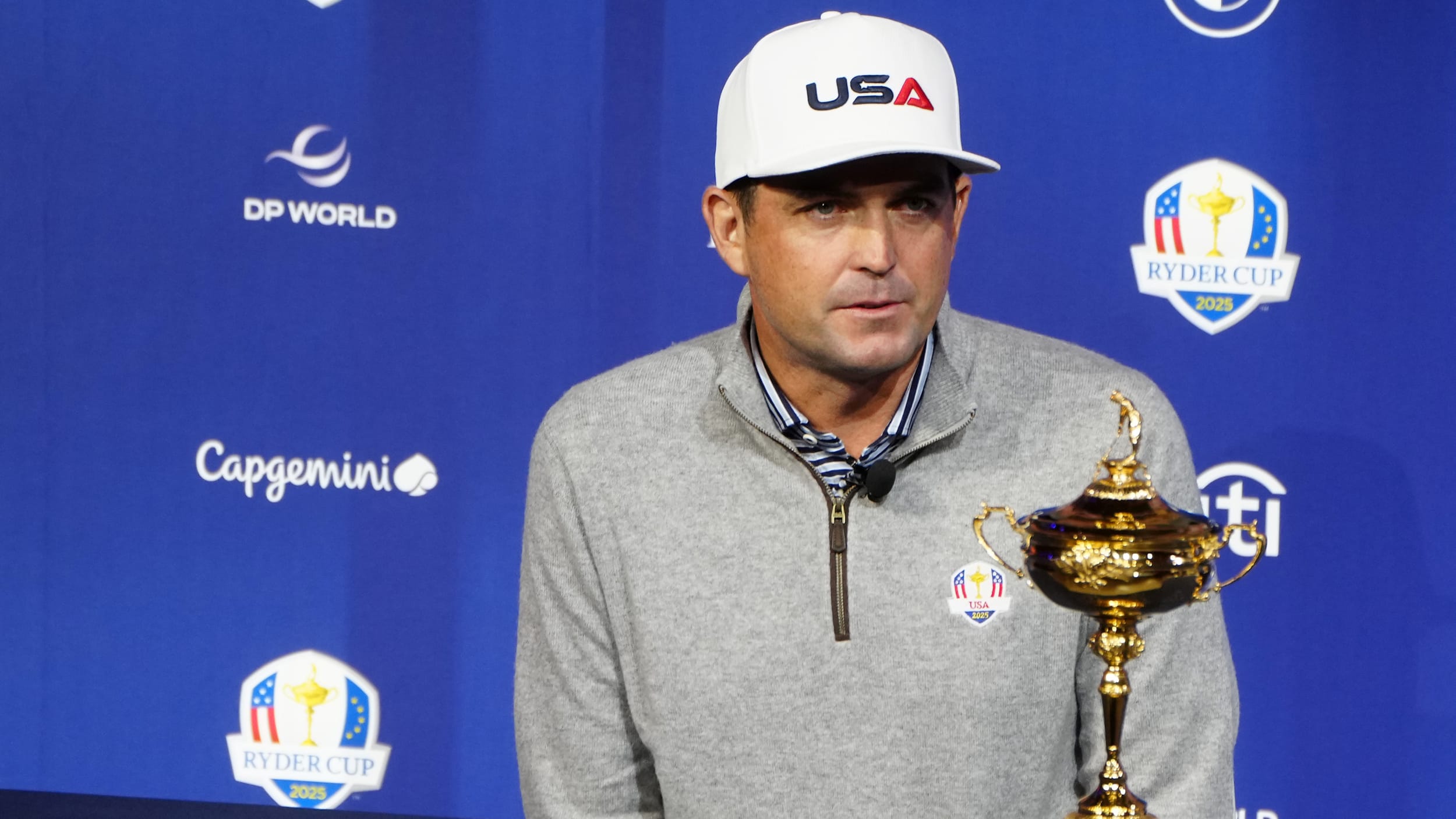
Keegan Bradley’s Decision: A Deep Dive into His Ryder Cup Role
Keegan Bradley’s decision to not select himself as a player for the upcoming Ryder Cup has sparked considerable debate. Many believe he made the correct choice, as the role of player-captain in modern golf presents unique challenges. The dynamics of the Ryder Cup, where strategy and emotion intertwine, require a level of focus that is difficult to sustain while also playing competitively. Let’s analyze the implications of Bradley’s choice and explore various angles of this pivotal decision.
The Emotional Toll of Not Competing
Bradley expressed heartfelt regret over his choice, stating, "It broke my heart not to play." As a passionate competitor, stepping back from active play must have weighed heavily on him. The role of captain brings its own rewards, yet the desire to contribute as a player in such a prestigious event is undeniable. The internal conflict that comes with this duality can be taxing, especially for a competitor of Bradley’s caliber, who has long yearned to be a part of the Ryder Cup again.
Analyzing Bradley’s Skillset
Few can argue against Bradley’s qualifications; he’s among America’s top players. His absence from the team raises the question of whether he should have been placed in such a difficult position. Missing out on the 2023 Ryder Cup was already challenging, and now he stands on the verge of potentially leading his team without being a part of it on the course. Bradley has demonstrated time and again his ability to perform under pressure, making his choice all the more poignant.
The Weight of Leadership
The Ryder Cup has evolved, and with it, the demands placed upon captains have increased. While Bradley’s capability as a player is without question, the responsibility of leading a team introduces complexities that could affect his performance. Historically, player-captains face intense scrutiny, as they not only have to navigate their own game but also manage team dynamics. As noted by previous captains, the dual roles are daunting, often resulting in inadequate attention being given to both responsibilities.
A Shift in Strategic Focus
Bradley’s absence opens the door for new players to step up, raising questions about overall team strength. While there might be benefits to diversifying the lineup, one must consider whether the team is genuinely better off without him. Critics argue that without his experience and familiarity with Bethpage Black—one of the more challenging courses in the U.S.—Team USA could be at a disadvantage. Additionally, the performance metrics of certain team members, such as Xander Schauffele and Justin Thomas, add further unpredictability to the team’s potential success.
The Media’s Perspective
The media landscape would have thrived on the storyline of a player-captain like Bradley. The narrative could have ignited fierce discussions, speculation, and excitement among fans and sports experts alike. Imagine the hype surrounding his pairings and strategies, and the intense analysis that would follow. The Ryder Cup is one of the most celebrated events in golf, and adding a fresh narrative like Bradley’s could have elevated it to new heights.
Historical Precedent and Pressure
The burden for Ryder Cup captains is not just about performing well but also about the legacy they leave behind. History has shown that captains often face fierce criticism, regardless of their prior accomplishments. Jim Furyk, Tom Watson, and Davis Love III have all faced scrutiny for their established reputations when leading teams that didn’t perform as expected. This harsh landscape contributes to why Bradley may have opted to step back, fearing increased scrutiny should he struggle in either role.
Navigating the Future
Looking ahead, it is essential to ponder what the future holds for Bradley and the American team. His absence may not only change the dynamics of this year’s roster but may also influence future selections. For players on the cusp of their Ryder Cup dreams, the doors are now wide open, but one must question how they will fare under the pressure. The uncertainty of their performances adds a layer of intrigue but also anxiety as the event draws near.
The Bigger Picture of Team Dynamics
As Bradley forges ahead as captain, he faces the responsibility of galvanizing his team. His leadership style, characterized by passion and expertise, will be crucial in motivating players to perform at their best. The real challenge lies in balancing team unity and individual performance, especially with rookies who may not have the same level of experience. Will they rise to the occasion, or will Bradley’s leadership alone be sufficient to secure a victory?
Reflections on Choices Made
Ultimately, Keegan Bradley’s decision represents a crossroads rife with implications for both himself and Team USA. His choice not to play speaks volumes about his understanding of the demands that lie ahead. Regardless of how the Ryder Cup unfolds, fans, analysts, and players alike will look back at this moment and question if Bradley was right to self-exclude. It showcases the complexities of modern golf, where personal ambition often must bow to the greater good of team success.
Conclusion: A Choice Rooted in Legacy
In conclusion, Bradley’s choice might not just be about this particular Ryder Cup but represents a broader trend in competitive golf. The pressure of legacy, coupled with the intense scrutiny of performance, places players in delicate positions. Bradley’s situation serves as a reminder that while the thrill of competition is alluring, the responsibilities of leadership often take precedence. It’s a bittersweet narrative that reflects the evolving nature of the sport and the psychological factors affecting elite athletes. As we await the outcomes from Bethpage Black, the anticipation of seeing how this narrative unfolds only adds to the excitement surrounding the Ryder Cup.


