







The Ryder Cup and the Emergence of the World Champions Cup: A Game-Changing Dynamic in Golf
The ongoing evolution of golf has led to intriguing adaptations in its competitive structure, with the 2025 Ryder Cup at Bethpage Black serving as a pivotal example. This year’s tournament revealed a controversial rule known as the "Envelope Rule," which was put to the test when Viktor Hovland had to withdraw from the Sunday singles matches due to injury. The U.S. and European captains, Keegan Bradley and Luke Donald respectively, were tasked with mitigating the impact of this development within the structure of the tournament.
Under the Envelope Rule, both teams submit a sealed envelope containing the name of a player who would be sidelined if a competitor withdrew. In Hovland’s case, the envelope came into play, leading to confusion and criticism regarding its implications. Many questioned the fairness of penalizing one team for a setback affecting the other.
Critics of the rule highlighted how it undermines players’ opportunities to compete, like Harris English, who lost his shot at a match on one of golf’s most prestigious platforms without any play. This not only raises concerns about the integrity of the competition but also questions whether existing traditions are still fitting given the high stakes and intensity that now define the Ryder Cup.
Interestingly, while the Ryder Cup grappled with this issue, an alternative team event emerged this week that showcases a more flexible approach: the Skechers World Champions Cup. Unlike the Ryder Cup, this competition boasts a modified structure that could provide solutions for some of the criticisms associated with its more traditional counterpart. The World Champions Cup, designed for players over 50, aligns itself with the spirit of international golf competition but incorporates several innovations that potentially enhance fairness and excitement.
The World Champions Cup initially made its debut in 2023 but faced an unexpected hiatus in 2024 due to weather disruptions. Returning this week at Feather Sound Country Club near Tampa, Florida, the event has seen teams comprised of players from the U.S., Europe, and the rest of the world engage in five sessions over three days. Notably, the competition features both a playing captain and vice-captains to foster teamwork and strategy maximize every participant’s expertise.
One player who was expected to shine at the World Champions Cup was Bernhard Langer, known for his commitment to fitness and health. Yet, Langer experienced an unexpected downturn in health just prior to the event and made the difficult decision to withdraw from the first day of matches—a situation that further illuminated the versatility inherent in the World Champions Cup rules.
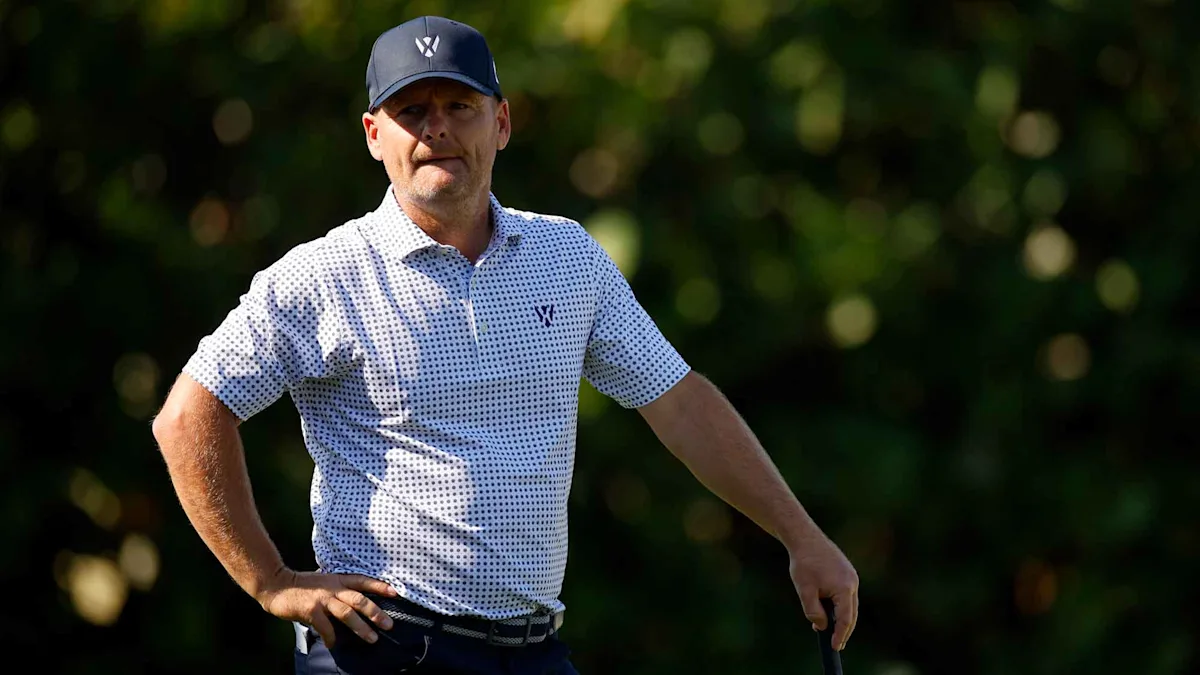
Langer’s absence allowed European captain Darren Clarke to swiftly implement a contingency plan, drawing upon Søren Kjeldsen, one of his vice-captains. Kjeldsen expertly filled in, partnering with Alex Cjeka for a nine-hole best-ball match that produced six birdies, exemplifying the competitive spirit and adaptability characteristic of this newer format. Their performance earned a remarkable 10.5 points, proving the effectiveness of the rule flexibility in this scenario.
The nimble response to Langer’s health issues highlighted the practicality of a structure that anticipates adversity and fosters readiness. Thomas Bjørn, a fellow player from Team Europe, expressed confidence in Kjeldsen’s preparation and attitude, emphasizing the merit of being proactive rather than reactive. This underscores a fundamental difference in approach between the World Champions Cup and the traditional Ryder Cup format.
The possibility of integrating similar flexibility into the Ryder Cup format raises intriguing questions. For instance, having a pool of capable vice-captains ready to compete could not only enrich the competition’s dynamics but also bolster the sense of teamwork among countries. It would certainly add an exciting layer of unpredictability, enhancing fan engagement and spotlighting players who may otherwise go unnoticed.
Imagining this approach in play during events like the 2025 Ryder Cup could reshape how spectators view team dynamics, as certain vice-captains — like Alex Noren — could step in seamlessly, shining in pivotal moments. The narrative of a player previously deemed a snub getting a chance to prove their mettle would undoubtedly amplify the stakes and intrigue surrounding the tournament.
In summary, as golf continues to grow in popularity and complexity, the professional community must reassess its structures to align with modern competitive standards. The Ryder Cup’s Envelope Rule, while historically significant, may require updates to remain relevant in today’s high-stakes atmosphere. Conversely, the World Champions Cup exemplifies how a fresh and adaptive approach can offer potential solutions and inspire the evolution of golf’s most venerable competitions.
As we move forward, it’s essential for both PGA of America and Ryder Cup Europe to recognize the successful elements in the World Champions Cup and consider how they might enhance the prestige and fairness of the Ryder Cup. The continued evolution of these formats could redefine the landscape of competitive golf for years to come, ensuring that the spirit of the game remains intact while meeting the expectations of its passionate fanbase.


