







Rory’s Return and the Scheffler Conundrum: What Pebble Beach Really Tells Us About 2026
After 35 years covering professional golf, I’ve learned that timing in this game reveals everything—and this week’s AT&T Pebble Beach Pro-Am is practically screaming a narrative that goes far deeper than the typical “defending champ returns” storyline.
Rory McIlroy is back after skipping four events to start his season, and yes, he won here last year. But what strikes me most is not that he’s favored at +1400 odds, trailing only Scottie Scheffler’s otherworldly +300. What strikes me is the why behind his absence and what it signals about the current state of professional golf’s calendar and player autonomy.
The Defending Champ Paradox
In my time caddying for Tom Lehman and later covering the tour, I saw players build momentum through early-season events. That’s changed. McIlroy’s four-tournament absence isn’t laziness or injury—it’s strategic. He’s choosing his schedule like never before, something that would’ve been unthinkable in the 1990s. The PGA Tour’s new Signature Events structure has inadvertently given the elite players more leverage. They know Pebble Beach matters. They know the majors matter. Everything else? Negotiable.
The oddsmakers clearly agree. At +1400, McIlroy is essentially a consensus pick for second-best this week—but here’s what I’m chewing on: defending champions often carry invisible weight at their return venue. The course hasn’t changed. The field has. And after a month off, shaking rust is no trivial matter, even for a player of his caliber.
Scottie’s Gravity Well
Now, Scottie Scheffler at +300 deserves its own category. I’ve covered 15 Masters. I’ve watched generational talents come and go. What Scheffler is doing right now—commanding those kinds of odds with a full field of World Top-50 players—is genuinely rare. It’s not disrespect to competitors; it’s market reality speaking loudly.
“Scottie Scheffler +300 Rory McIlroy +1400 Si Woo Kim +2000”
The gap between +300 and +1400 is not merely about skill. It’s about a player who has apparently solved something the rest of the tour is still chasing. In my experience, you see this kind of dominance maybe once per decade, if that. Tiger in his prime. Nicklaus in his. We’re witnessing something similar right now, and frankly, it’s compelling viewing—even if it occasionally feels inevitable.
Si Woo Kim’s Quiet Trajectory
But here’s where I want to pump the brakes and talk about something genuinely interesting: Si Woo Kim at +2000. Look at his resume this season—he’s cracked the top 15 in every event he’s played, with finishes of T6 or better in his last three tournaments. That’s not variance. That’s form.
“He has been one of the hottest golfers on Tour so far this year, finishing no worse than T11 in his four events. He’s been T6 or better in his last three events, and is coming off a T3 at the WM Phoenix Open and a T2 the prior week at the Farmers Insurance Open.”
What impresses me about Kim’s performance is its consistency without fanfare. The tour gets distracted by Scheffler’s dominance (rightly so), but players like Kim—who’ve also finished top-15 here in consecutive seasons—represent the deeper narrative: the middle tier of professional golf is remarkably competitive right now. The gap between positions three and seven in the world is tighter than it’s been in years.
The Matsuyama Fade and What It Says
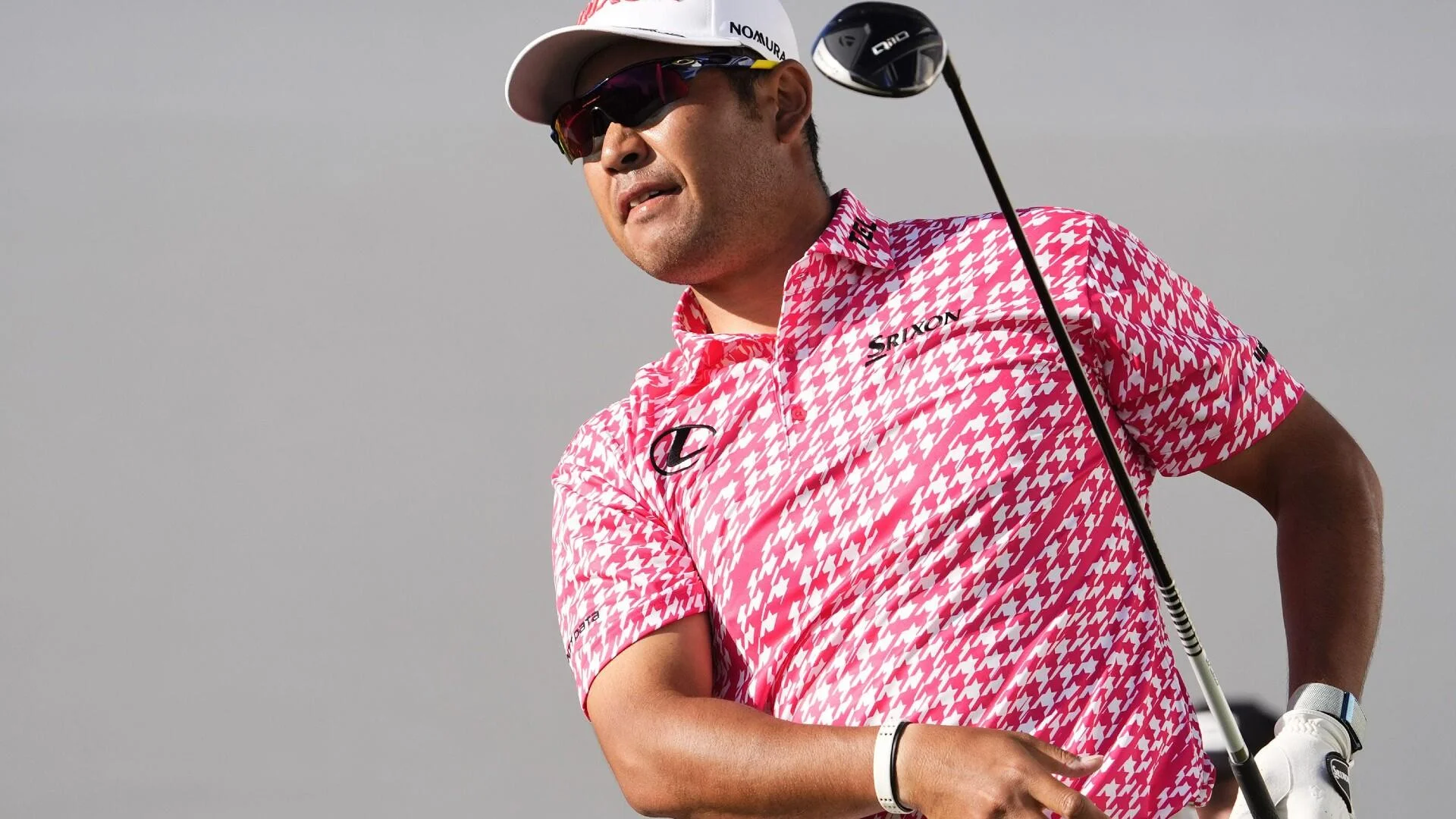
The model’s projection that Hideki Matsuyama won’t crack the top 10 this week, despite +3000 odds and a playoff loss at Phoenix just last week, initially struck me as harsh. But then I looked at his actual history here: T48 and T71 in previous appearances. That’s not mysteriously poor form—that’s a legitimate pattern against this particular course.
This is what separates casual betting from informed analysis. Matsuyama is talented enough to contend anywhere, yet Pebble Beach’s layout, wind patterns, and scoring dynamics haven’t suited him historically. Being a hot player globally doesn’t erase specific course vulnerabilities. In three decades of covering this tour, I’ve seen too many “should win here” narratives collapse because the fundamentals didn’t support them.
The Depth Chart Tells a Story
Look at the full odds list. Beyond Scheffler and McIlroy, you have Xander Schauffele and Tommy Fleetwood at +2500, then a five-way tie at +2700 including Cameron Young, Viktor Hovland, Chris Gotterup, Russell Henley, and Justin Rose. That’s genuinely competitive equilibrium. In the Nicklaus and Woods eras, we’d see more of a hierarchy. Now? Any of those guys winning this week wouldn’t shock anyone.
The 2026 tour schedule is producing tighter competition partly because of parity in equipment and training, but also because the Signature Events format—whatever its flaws—forces the best players to show up for the same tournaments. There’s nowhere to hide.
What Really Matters This Week
McIlroy’s return is significant not because he’s the defending champion, but because his absence from the season opening raises questions about how elite players now view the tour calendar. If he wins this week, it validates his selective scheduling approach. If he struggles, it reminds everyone that rust is real.
Scheffler will likely be the betting favorite to prevail, and odds suggest that’s not a contrarian take—it’s just probability. But the tournament that unfolds on the Monterey Peninsula will tell us something about whether Pebble Beach rewards recent form (Kim, Gotterup), proven Pebble excellence (McIlroy), or sheer talent navigating a genuinely demanding course (Scheffler).
After all these years, that’s still the question that gets me to the course early each January.


