





The Intricacies of Ryder Cup Pairings: A Study in Strategy and Second-Guessing
The Ryder Cup, a prestigious event in the world of golf, is as much about strategy and teamwork as it is about individual performance. Throughout its storied history, captains have made decisions that have led to both spectacular successes and disheartening failures. One such instance occurred during the 2004 Ryder Cup at Oakland Hills when American captain Hal Sutton paired the world’s top two golfers, Tiger Woods and Phil Mickelson, despite their known rivalry. This decision, and its subsequent failure, offers a rich case study into the complexities of pairing players in team formats.
Understanding the Dynamics of Player Pairings
In team events like the Ryder Cup, the dynamics between players are crucial. Sutton’s decision to pair Woods and Mickelson—two players with notable tension—seemed ill-fated from the start. In retrospect, it’s easy to critique such decisions, but understanding the underlying dynamics is essential for any successful team strategy. Different personalities, playing styles, and previous experiences must all be taken into consideration when forming pairs. The chemistry between players can significantly impact their performance on the course.
The Art of Second-Guessing in Sports
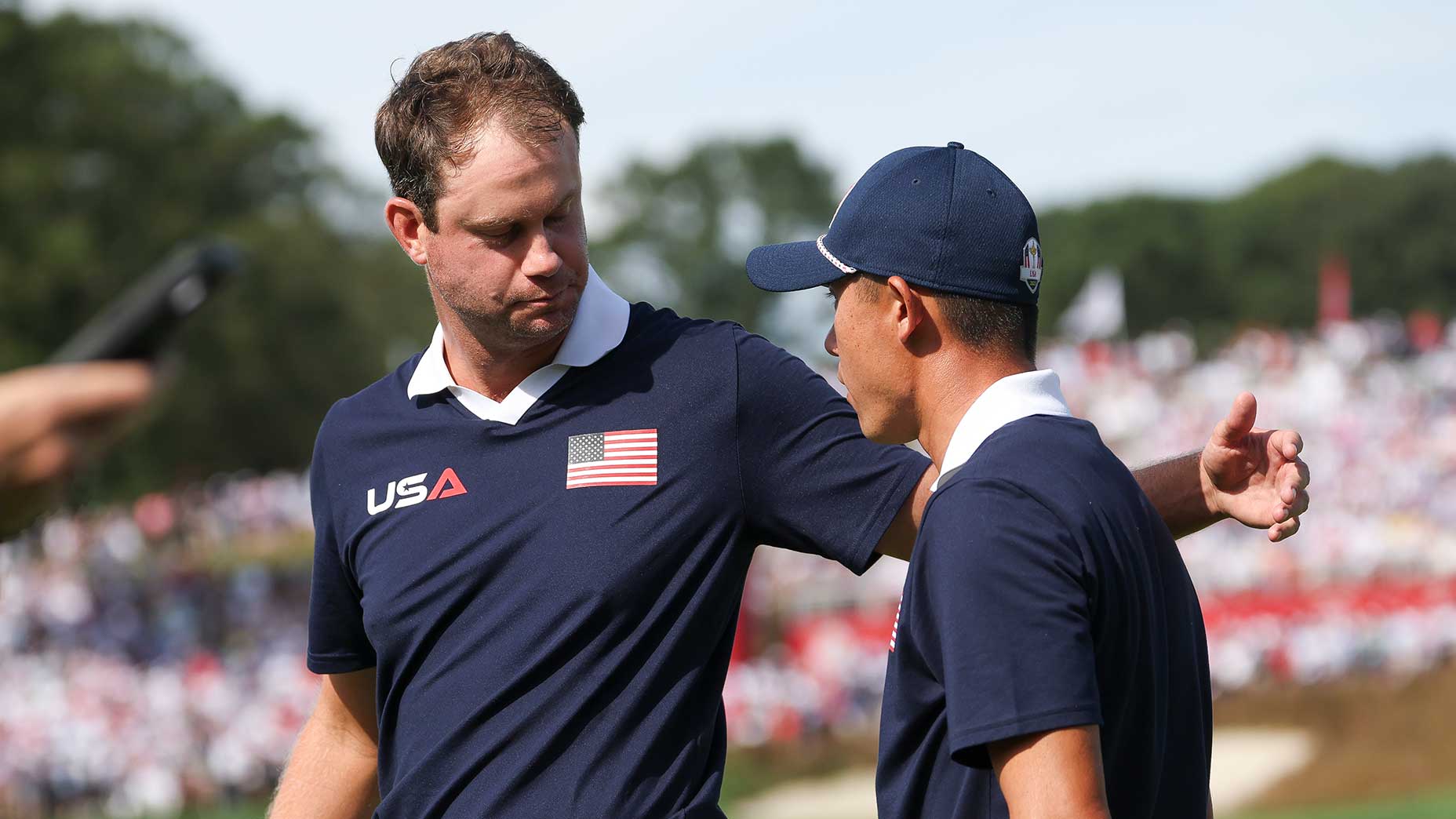
The realm of sports fandom is rife with second-guessing, particularly regarding decisions made by coaches and captains. In golf, fans often debate everything from pitching changes in baseball to Ryder Cup pairings. For example, recent decisions made by U.S. captain Keegan Bradley during the latest Ryder Cup raised eyebrows among observers, particularly his choice to pair Harris English and Collin Morikawa. Critics questioned the compatibility of this duo, wondering who would step up as the team leader and how their differing styles would mesh.
Analyzing Recent Pairing Strategies
As the tournament unfolded, the American pairing of English and Morikawa struggled against the seasoned European team of Tommy Fleetwood and Rory McIlroy. The results brought forth inquiries about Bradley’s approach. Many wondered if he followed the playbook of past captains, such as Tiger Woods at the 2019 Presidents Cup. Bradley staunchly defended his strategy, emphasizing the need for consistency and adherence to a pre-determined plan despite the initial setbacks.
The Role of Individual Talent in Pair Performance
While pairing decisions are significant, they also hinge on the individual talent of the players. Statistical analysis from platforms such as Data Golf has shown that certain pairings—like English and Morikawa—may not be optimally effective, even though both players have demonstrated remarkable skill as individual golfers. Their statistics ranked them at the bottom of potential pairings, a clear indication that individual prowess doesn’t always translate into complementary teamwork.
The Psychological Aspect of Golf Pairings
Psychological factors play a vital role in a player’s ability to perform under the pressure of team events. Emotional intelligence, charisma, and the ability to uplift teammates are essential traits for successful pairings. In the case of English and Morikawa, critics pointed to a lack of energizing charisma and passion, elements that can be crucial in intense match situations.
The Importance of Leadership in Team Dynamics
Effective leadership within pairings can significantly influence outcomes in team sports. The concept of a “big brother” dynamic, where one player takes the lead while the other follows, often proves effective. However, in the pairing of English and Morikawa, neither player emerged as the clear leader. This ambiguity may have contributed to their challenges on the course and highlighted the need for defined roles within a team.
Learning from Historical Impacts of Pairing Decisions
History is rich with examples of successful and unsuccessful pairings in the Ryder Cup. Captains who have embraced innovative strategies or taken calculated risks—like pairing experienced players with rising stars—often see their efforts rewarded. Conversely, failure to consider the interpersonal dynamics can lead to disastrous outcomes, as seen in Sutton’s ill-fated pairing of Woods and Mickelson. These lessons in pairing decisions remain relevant today as captains strive to build effective teams.
Embracing the Complexities of Team Events
As the Ryder Cup continues to evolve, so too does the understanding of effective team dynamics. Captains must balance strategy, player compatibility, and the psychological aspects of teamwork. Each decision carries weight, with implications not just for the immediate tournament but for the reputations and careers of the players involved. The intricacies of forging successful partnerships will always be a compelling aspect of the Ryder Cup narrative.
Final Thoughts: The Ongoing Debate on Pairings
As Michael Bamberger reflects on these pairing dilemmas, one thing remains clear: second-guessing is an intrinsic part of sports fandom. Every decision can be scrutinized, analyzed, and debated endlessly, yet the lessons drawn from these moments offer valuable insights into the world of team dynamics. The journey through the Ryder Cup reveals that while victory is sweet, the intricate tapestry of teamwork and strategy forms the backbone of the sport, inviting endless discussion and speculation.
The interplay of individual personalities, skills, and the psychological dynamics at work within a team setting remind us that every pairing decision is a wager, balancing the hope for success against the potential for disappointment. Ultimately, understanding these dynamics may be as valuable as any golf strategy, driving both teams and fans to continuously explore the depths of this fascinating sport.


