








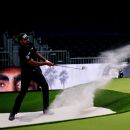
Neal Shipley’s TGL Ace Signals Something Bigger Than Just a Hole-in-One
I’ve been around professional golf long enough to know that a hole-in-one, even a historic one, doesn’t usually move the needle much beyond the moment itself. You see an ace, you applaud, you move on. But what happened Monday night at the SoFi Center when Neal Shipley knocked his wedge into the cup on TGL’s No. 5 hole? That was different. That felt like a glimpse into where this sport—and this league—might be headed.
Look, I’ll be honest: when TGL launched, I was skeptical. I’ve covered the PGA Tour for 35 years, caddied for Tom Lehman back in the day, and I’ve seen plenty of attempts to reimagine professional golf. Most of them fizzle. The format seemed gimmicky—springy greens, dramatic elevation changes, tech everywhere. But here’s what I’ve learned watching this second season unfold: the gimmick is actually working. And Shipley’s ace is proof.
A Young Talent Meets a Platform Ready for Him
Let’s talk about what makes this moment actually significant. Shipley is a 25-year-old in his first PGA Tour season. He’s made one cut in four events. By traditional measures, he’s a kid still finding his footing on tour. He made the cut as an amateur at the Masters and U.S. Open last year—impressive, sure—but he hasn’t exactly set the world on fire yet.
Here’s where it gets interesting: in a traditional PGA Tour event, Shipley might never even get noticed, let alone become part of a memorable moment that tens of thousands of people watch in real time. But TGL put him in front of a live audience and primetime cameras at a crucial moment in his career. His reaction tells you everything you need to know about what this means to him.
“This is different than any hole-in-one I’ve had before. This is amazing. So cool.”
That’s not just gratitude—that’s relief mixed with validation. Shipley’s getting opportunities to play, to be seen, to contribute to something that matters. For a young player grinding through his first season on tour, that’s oxygen.
Luke Clanton’s Call and the Team Element
What really caught my attention, though, was the pre-shot dynamic. Luke Clanton, Shipley’s Bay Golf Club teammate, literally called the hole-in-one before it happened. The on-course hot mic picked it up later:
“Hey, it’s you. Give me a hole-in-one here. Please.”
In my three decades covering this game, I’ve rarely seen team chemistry work that way in a competitive environment. Golf is the most individual sport on the planet—we pride ourselves on that. But what Clanton did there? That’s the kind of supportive energy that actually matters in team formats. He wasn’t hoping Shipley would mess up so Bay Golf could get a do-over. He was willing it to happen. That’s team golf done right.
The immediate swarming after the ace—Clanton and Min Woo Lee rushing Shipley—felt organic in a way that a lot of TGL’s staged moments don’t always achieve. These weren’t actors playing teammates; they were genuinely celebrating a friend. The crowd responded because it felt real.
TGL’s Growing Credibility
I think what strikes me most is how TGL is starting to build credibility by doing something smart: it’s letting moments happen naturally within its structure. The league didn’t manufacture this ace. The technology, the format, the live audience—those just created the stage where Shipley could make history.
In my experience, that’s how you build something sustainable. You don’t force narratives. You create conditions where narratives can emerge. TGL’s second season seems to be figuring that out.
The fact that this was the first hole-in-one in TGL history—across two full seasons—speaks to how selective these moments really are, even in a league that plays 15 par-3s per match. It’s not like TGL is designed to generate aces. They just happen. And when they do, the whole platform lights up.
What This Means for Young Tour Professionals
For players like Shipley, who are trying to establish themselves on tour, TGL offers something the traditional PGA Tour doesn’t: guaranteed playing time and immediate visibility. Yes, Shipley had only made one cut in four events going into Monday night. But he was getting those opportunities in front of actual audiences, actual cameras, with actual stakes. That matters for development.
When I caddied, we didn’t have this kind of alternative platform. You grinded through Mondays and Web.com Tour events until you got your shot. Now young players have options. They can get measured minutes in prime time while still pursuing their PGA Tour cards. That’s not nothing.
The Bigger Picture
Here’s what I think matters about all of this: TGL isn’t perfect, and it doesn’t need to be. What it needs to do is exactly what it’s doing—creating moments that feel earned rather than manufactured, giving young players platforms to shine, and building real team chemistry within competition. A hole-in-one, even a historic one, is just the symbol. The real story is that the league is maturing into something worth paying attention to.
Neal Shipley will remember Monday night forever. But I suspect we’ll remember it as a turning point for TGL itself—the moment when it stopped feeling like an experiment and started feeling like a legitimate part of the professional golf ecosystem.
That’s worth celebrating.


