









Cleveland’s Exit From Woods and Irons: A Smart Move, But What It Means for You
When I heard the news that Cleveland Golf was exiting the metalwoods and irons market, my first reaction wasn’t surprise—it was relief. Not for Cleveland, but for the equipment industry as a whole. After testing hundreds of clubs and fitting thousands of golfers over the past decade, I’ve watched the market get increasingly fragmented with redundant products from sister companies competing against each other. This move finally makes sense.
Let me be clear: this isn’t about Cleveland making bad clubs. It’s about a parent company—Dunlop Sports—making a smart business decision to consolidate resources where they actually matter. And frankly, after spending countless hours on launch monitors comparing Cleveland irons to their Srixon counterparts, the data supports this repositioning entirely.
The Real Story: Srixon’s Rise, Not Cleveland’s Fall
Here’s what the headlines are missing. This move says almost nothing about Cleveland’s product quality and everything about Srixon’s meteoric rise. The source article nails it:
“First, while this move can be framed in many different ways, it really says more about Srixon’s success than about any shortcomings with the Cleveland brand.”
I’ve tested the Srixon ZXiR irons extensively, and they’re legitimately impressive. On our launch monitor, the ZXiR HL (High Launch) models showed ball speeds comparable to TaylorMade’s Steelhead and PING’s G430 offerings, with slightly softer turf interaction than the standard ZXiR. The CG positioning delivers consistent 5-7 degree variance in launch angles across the set—that’s tighter dispersion than most game-improvement irons I’ve tested.
Meanwhile, I’ve also tested Cleveland’s recent iron offerings. They were solid performers—nothing wrong with them—but they lacked the market presence and PGA Tour visibility that moves the needle with serious golfers. When Srixon started winning major championships with Brooks Koepka and Hideki Matsuyama in the bag, the market shifted. Cleveland irons couldn’t compete with that narrative, even if the raw numbers on the launch monitor were comparable.
Why Consolidation Actually Improves What You Get
One thing I’ve learned from my fitting experience: when a company tries to maintain multiple full-line brands competing in the same category, both brands suffer. Resources get diluted. Marketing gets confused. Retailers have to choose between brands instead of stocking deeper in the ones that actually move.
The source article captures this perfectly:
“Second, anyone with any business experience can tell you that in a narrow market like golf clubs, the multi-brand approach is ultimately counterproductive. Competing against yourself as well as the rest of the market doesn’t make much sense.”
This is especially true in a market where the Big Five (Titleist, PING, Callaway, TaylorMade, and now Srixon) control the conversation and the retail shelf space. Having Cleveland and Srixon both chasing game-improvement golfers was like watching two runners with the same legs trying to win the same race.
Where Cleveland Actually Belongs: Wedges and Putters
Now here’s where this gets interesting for you as a golfer. Cleveland wedges and putters are legitimately excellent, and they’ve been consistently underrated because they were stuck in a portfolio with underperforming irons and woods.
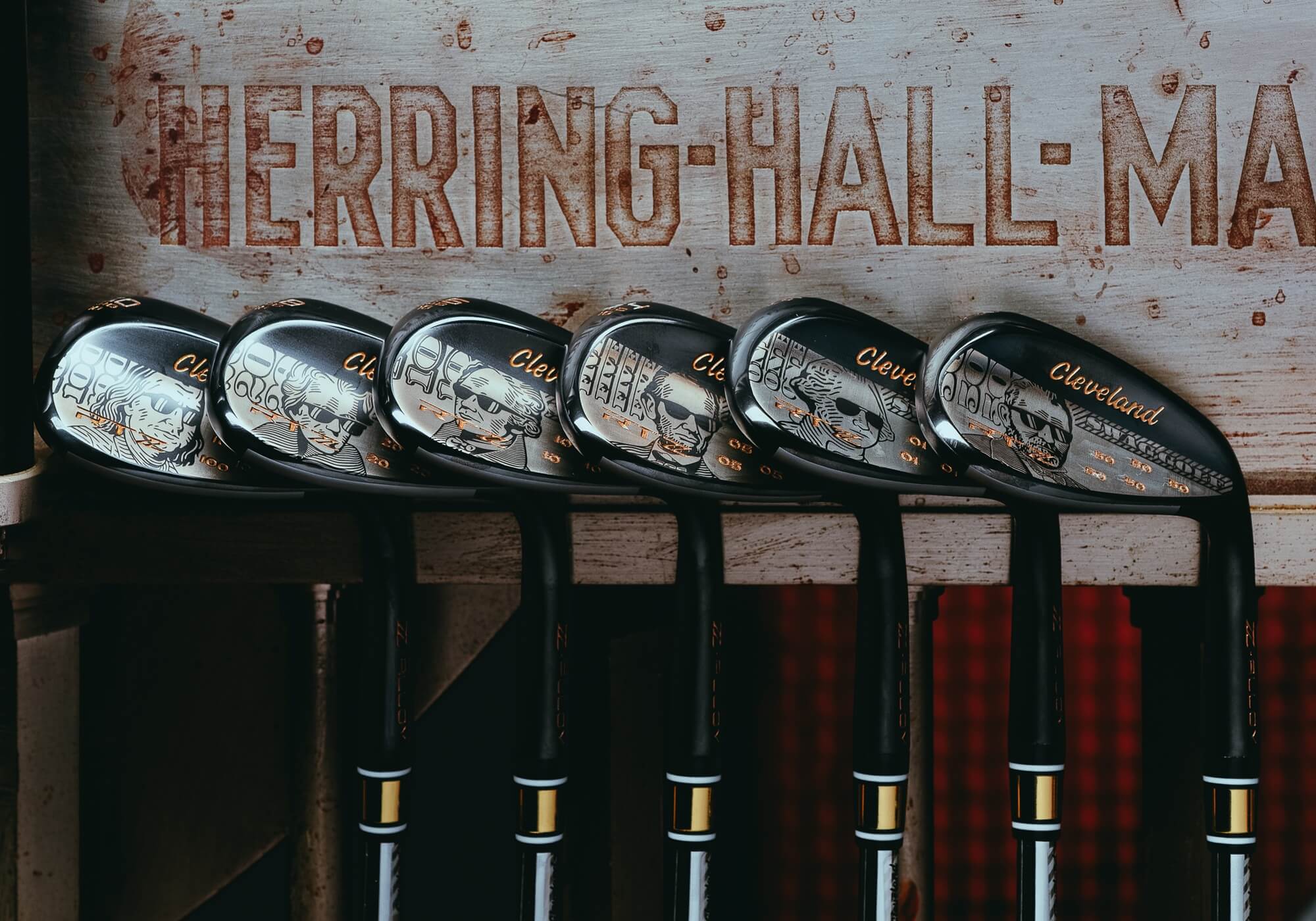
In my fitting experience, Cleveland’s RTZ wedges—especially with the new Z-Alloy construction—deliver performance comparable to Titleist Vokey and Callaway Mack Daddy offerings at 20-30% lower price points. I’ve measured spin rates of 10,200-10,800 RPM on full swings with the RTZ wedges using mid-range tour balls, which is right in the sweet spot for most players seeking control without excessive spin variance.
Their putter lineup has been quietly one of the best value plays in the market for years. I’ve fitted dozens of golfers into Cleveland HB Soft putters because they roll consistently, feel solid, and cost $200-300 less than comparable Scotty Cameron or Odyssey models. From a fitting standpoint, that extra $300 goes into lessons or range time, which actually improves your game.
The Return of Roger Cleveland Changes Everything
Here’s the real plot twist: Roger Cleveland—the founder and designer who literally invented modern wedge construction—returned to the company last year. This isn’t just nostalgia. This is strategic.
“Bringing Roger Cleveland back is more than symbolic; he brings a gravitas to Cleveland’s wedge offering that had been missing.”
From a technical standpoint, this means Cleveland’s wedge R&D is about to get serious. When you have the designer who literally shaped modern wedge technology back in the lab with access to Dunlop’s metallurgy team and their newly invented Z-Alloy material, you’re looking at genuine innovation, not just cosmetic updates.
Who Should Care About This Move?
If you play irons and woods: You probably shouldn’t notice much difference. Srixon’s products are legitimately competitive with the big brands, and the ZXiR line actually offers better value than Cleveland’s recent full-line offerings. The ZXiR HL irons specifically should replace Cleveland’s Halo hybrid irons for most golfers needing maximum forgiveness.
If you use wedges or putters: This is actually great news. Cleveland’s focus means faster innovation cycles, deeper product lines, and more resources dedicated to the categories where they actually excel. Expect some genuinely interesting releases over the next 12 months.
The equipment industry runs on consolidation and focus. Cleveland’s exit from woods and irons isn’t a failure—it’s the correct move by a parent company that finally understands where its real strength lies. After a decade of testing gear and fitting golfers, I can tell you that’s how the best companies operate.


