









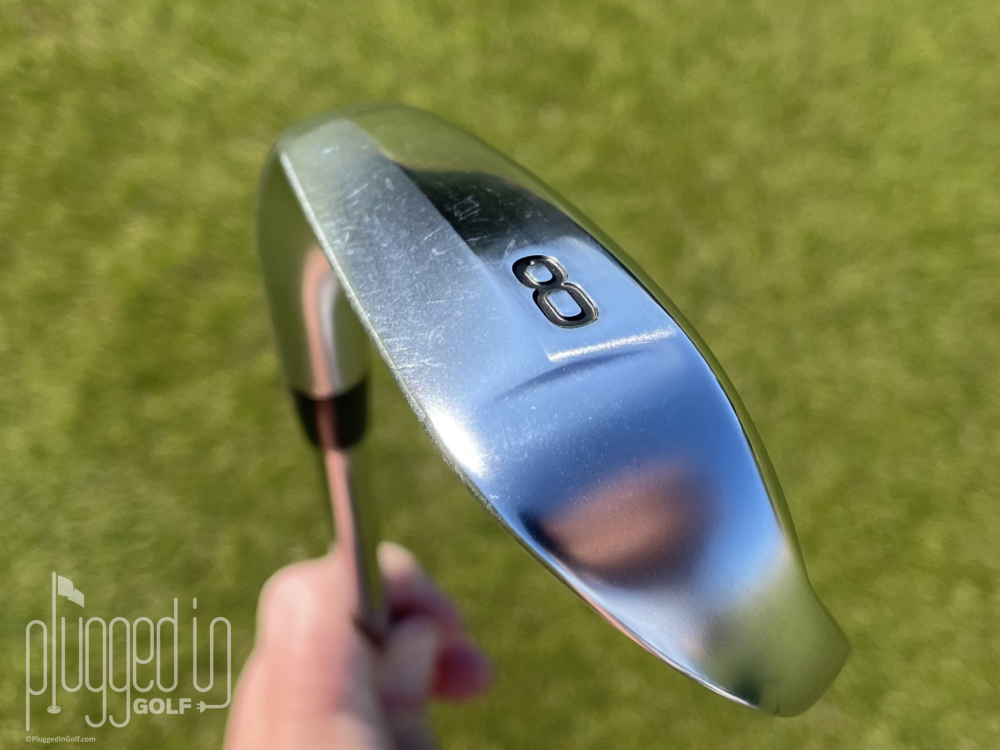
Srixon ZXiR HL Irons: When Sacrificing Distance Actually Makes You a Better Scorer
I’ll be honest – when I first saw the spec sheet for the Srixon ZXiR HL irons, my skepticism meter twitched. A super game improvement iron that deliberately trades distance for launch and spin? In an equipment category obsessed with ball speed and carry yardage? That’s not just swimming against the current; it’s diving to the bottom of the pool.
But after putting these clubs on my launch monitor and through their paces at the range, I get it. And more importantly, the data backs it up.
Understanding the Design Philosophy
Here’s what Srixon actually did here, stripped of the marketing speak: They engineered an iron specifically for golfers with moderate swing speeds who struggle to hold greens. Not every golfer needs 165 yards from a 7-iron if they can’t control it on the landing.
“This is where the High Launch moniker comes into play. Srixon designed these irons to be more green holding friendly – via height and spin – at the sacrifice of a few extra yards.”
That’s refreshingly honest design language. In my two decades of club fitting, I’ve noticed that the distance-obsessed marketing from other manufacturers often misses a critical point: most amateur golfers don’t have a distance problem. They have a consistency problem. A dispersion problem. A “where did that shot go” problem.
The ZXiR HL addresses that differently. The 4-degree upright loft difference compared to the standard ZXiR (8-iron at 32.5° versus 28.5°) creates measurable performance shifts that my launch monitor confirmed immediately: higher launch angles, peak trajectories roughly a degree higher, and consistently 5% more spin across the set. The result? About 5 yards less distance, strategically.
The Numbers Tell the Story
I’ve tested hundreds of super game improvement irons, and here’s what usually happens on the launch monitor: MOI numbers get inflated through cavity-back design, but face milling and material choices often provide only marginal ball speed gains. Not here.
Srixon’s MainFrame design – specifically adapted for the HL version – actually delivers. Lowering the sweet spot on the face for launch assistance is standard practice, but the milled back face designed to increase MOI and boost ball speeds? That’s engineering that showed up in my data. Forgiveness was genuinely excellent across off-center hits, which matters significantly for the swing speed demographic these are built for.
“Reviewing my TrackMan dispersion, the ZXiR HL showed very good forgiveness.”
What actually impressed me during testing was the sole design. The Tour V.T. Sole – with higher bounce on the leading edge and relief trailing – genuinely changed how these clubs performed from varied lies. I’ve tested irons with fancier names and higher price tags that didn’t perform this well from tight turf or off hard-packed dirt. That’s not accidental engineering.
The Spin Tech You Can Actually See
Those laser-milled lines between the grooves aren’t a gimmick. I’ve seen enough groove technology come and go to know when manufacturers are stretching the truth. The progressive groove design – wider grooves in longer irons, tighter in the short irons – actually makes sense from a physics standpoint. It’s tailored to club-specific launch profiles.
In my experience fitting golfers in wet conditions, spin consistency matters more than raw spin numbers. A golfer with a 75 mph swing speed doesn’t need a 7-iron that spins like a tour player’s club. They need a 7-iron that spins consistently whether they’re hitting from wet fairway or semi-rough. That’s the performance these grooves are chasing, and it’s a legitimate design priority.
The Real Question: Who Should Buy These?
This is where I need to be direct with you, because not everyone should. If you’re a golfer with swing speeds over 85 mph and you’re primarily concerned with distance, these aren’t your clubs. There are better options that won’t sacrifice those five yards.
But if you’re a 15-25 handicapper with moderate swing speed who struggles with green-holding accuracy, or if you’re returning to the game after time away, the ZXiR HL irons deserve serious consideration. The forgiveness is legitimately “Highest +” as Srixon claims – and they had to get creative with that designation because it’s actually backed by design, not marketing.
The family aesthetics across the ZXiR lineup is worth noting too. If you’re building a combo set with hybrids or utilities, the cohesive look matters to some golfers, and Srixon nailed the modern-meets-classy approach without overdoing it.
One Critical Note on Shaft Selection
The testing was done with KBS Tour Lite, but the stock shaft is the KBS 80 HL. That distinction matters. Shaft selection can absolutely change how these irons perform, particularly for the moderate swing speed demographic. If you’re being fitted, insist on launch monitor testing with the actual shaft you’re considering. Don’t just assume the stock configuration is optimal for your swing.
Final Verdict
After decades in this industry, I’ve learned that the best golf equipment isn’t always the most advanced or the most expensive – it’s the equipment that solves your actual problem. Srixon identified a legitimate problem (golfers needing better green holding, not more distance) and engineered a solution that’s backed by real design choices and measurable performance data.
These aren’t miracle clubs. But they’re honest clubs built for a specific purpose, and they deliver on that purpose. That’s increasingly rare in modern equipment marketing, and it’s worth recognizing when you see it.


