









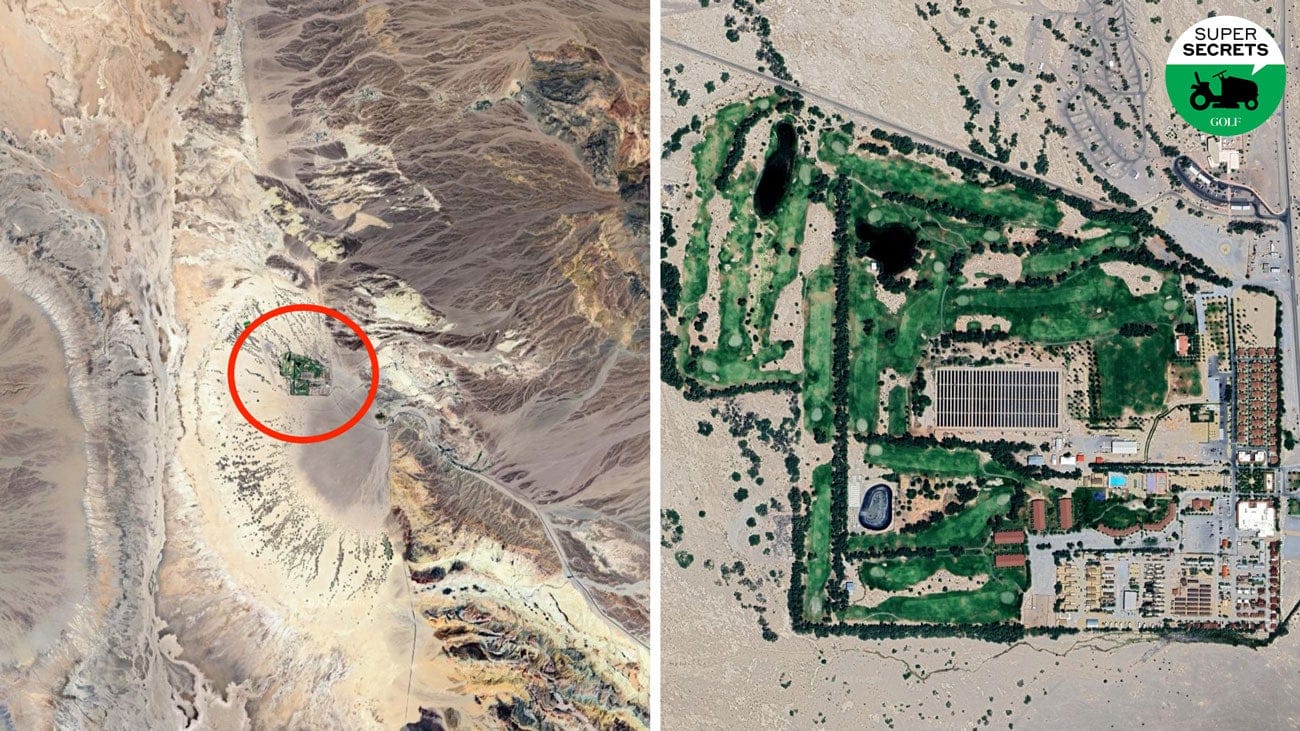
Maintaining a golf course in extreme conditions is a challenge, particularly at Furnace Creek Golf Course in Death Valley, California, which is known for being the hottest and driest spot in North America. Bobby Alford, the assistant superintendent at the course, shared insights on how they manage course upkeep in such searing conditions. The property sits 214 feet below sea level, with summertime temperatures soaring over 120 degrees, making it a unique and challenging environment for maintaining turf. Despite the extreme conditions, Alford and his crew have developed strategies to keep the golf course in top shape.
One of the key factors in maintaining the golf course at Furnace Creek is water management. The property sits on ancient springs that provide an ample water supply, allowing for irrigation of the turf. Alford explains that they primarily irrigate the course after dark, between 8 p.m. and 5 a.m., to prevent water from lingering and causing potential issues like disease. While most places discourage watering at night, the high temperatures and rapid evaporation rate at Furnace Creek make it an ideal time for irrigation. The crew also spot-waters during the day when necessary, taking into account the unique water management needs of the course.
Choosing the right turf is essential for withstanding the extreme temperatures in Death Valley. Alford and his team have experimented with various turf varieties but have found that cool-season grasses do not thrive in the scorching heat. They have settled on common Bermuda for tees, fairways, and rough, and Tifway 419 Bermuda for the greens, as these varieties have proven to be the most resilient in the harsh conditions. Bermuda grasses are known for their heat tolerance, making them the ideal choice for a golf course in a desert environment.
In addition to water management and turf selection, mowing practices play a crucial role in maintaining the golf course at Furnace Creek. The crew has adjusted their mowing patterns to mow every other day instead of daily, allowing the grass to grow longer and preserve its resilience against the heat. Longer and lusher leaf blades help the grass withstand the extreme temperatures and minimize wear and tear during the stressful summer season. These mowing practices are part of the overall strategy to keep the golf course in optimal condition despite the challenging environment.
To ensure the well-being of both guests and staff during the scorching summer months, Furnace Creek implements measures to protect against the extreme heat. Tee times are restricted to before mid-morning for guests playing 18 holes, and shifts for staff are adjusted to start and end earlier in the day. Regular breaks are encouraged, and outdoor work is suspended when temperatures near 120 degrees to prevent heat-related illnesses. By prioritizing the health and safety of everyone on the property, Furnace Creek can maintain a high standard of care for both the golf course and its visitors.
Maintaining machinery in extreme heat poses its own challenges, as engines and batteries are susceptible to overheating. Alford emphasizes the importance of treating machines like people by providing adequate cooling and scheduling frequent breaks for maintenance equipment. By taking proactive measures to protect machinery from the harsh conditions, the crew can ensure that essential tools and equipment continue to operate effectively despite the extreme temperatures. These precautions are essential for the smooth operation of the golf course and the overall maintenance of the property in a challenging environment like Death Valley.


