








The Golf Ball Paint Debacle: TaylorMade vs. Callaway
Legal clashes in the golf equipment industry are hardly a new phenomenon. However, the most recent dispute between TaylorMade and Callaway centers on an unexpected aspect of golf ball technology: paint. This legal battle highlights the intricate world of golf ball manufacturing, marketing tactics, and consumer perception.
Unveiling the Lawsuit
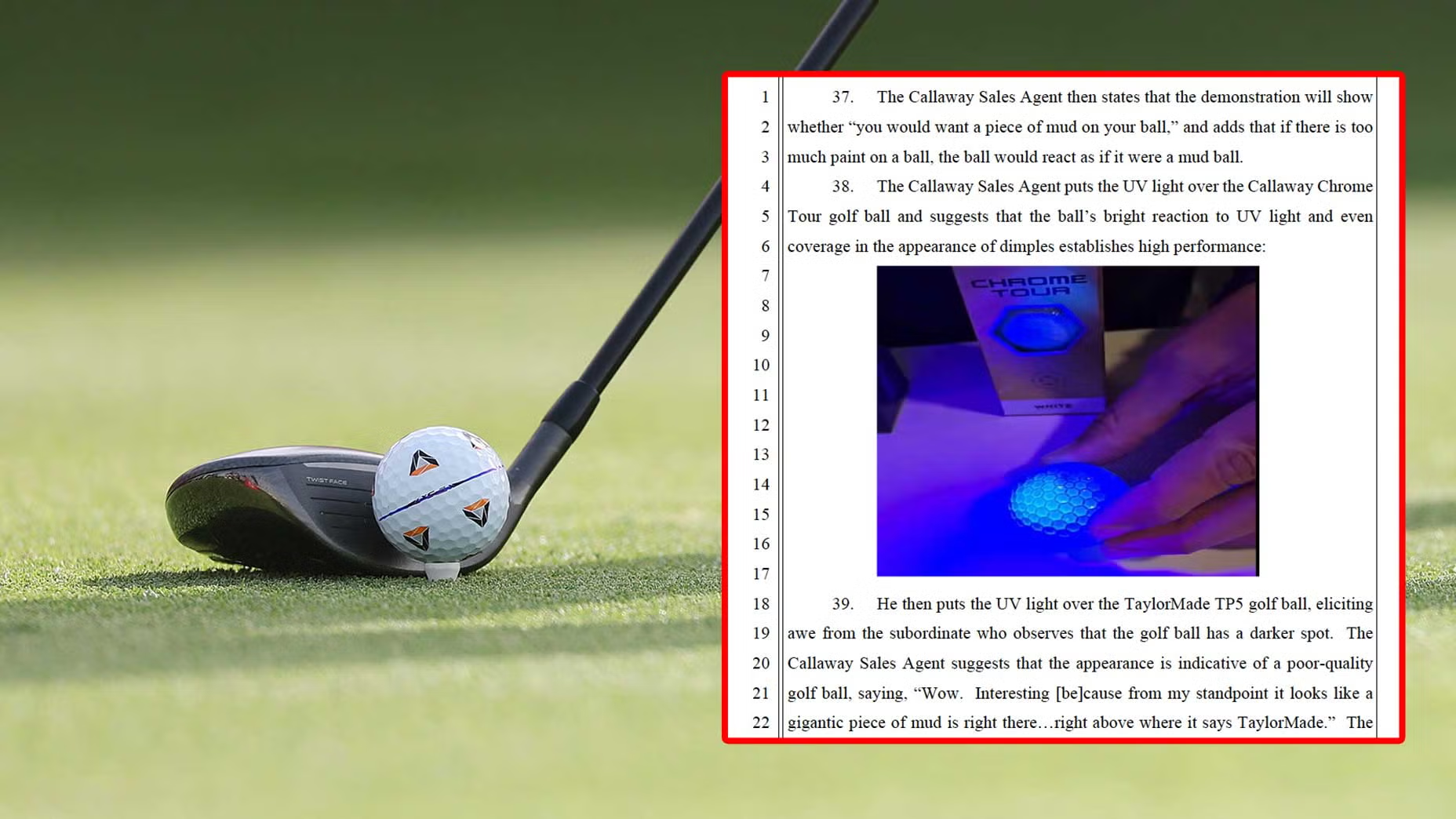
The lawsuit filed by TaylorMade earlier this month claims that Callaway has initiated a "coordinated marketing campaign" designed to mislead retailers and consumers about their golf balls. The crux of TaylorMade’s argument is that Callaway’s promotions hinge largely on how their balls appear under ultraviolet (UV) light. This allegation sets the stage for an examination of the integrity of marketing practices within the golf industry.
The Marketing Tactic Under Scrutiny
According to the legal documents filed in the Southern California District Court in San Diego, a Callaway sales agent reportedly made claims during a presentation that implicated the quality of TaylorMade balls. By shining UV light on both brands, the agent suggested that the appearance of dark spots on the TaylorMade balls signals defects, thus casting a shadow over their performance. This tactic, if proven to be true, raises questions about ethical marketing in sports.
Dissecting the Misleading Claims
The lawsuit reveals that other Callaway representatives have participated in similar misleading demonstrations, even dubbing TaylorMade products as "mud balls." TaylorMade’s position is bolstered by the argument that these visual discrepancies are caused by UV brighteners—cosmetic additives that have no significant impact on the performance attributes of the golf balls, such as flight, distance, or overall playability. This claim stresses that some marketing strategies can be both deceptive and damaging to brand reputation.
The Influence of Celebrity Endorsements
TaylorMade’s legal complaint goes beyond just sales conversations; it alleges that Callaway staff, brand ambassadors, and influencers have also participated in misrepresentations. These endorsements contribute to an increasingly skewed narrative about golf ball performance that can sway consumer choices. TaylorMade references a specific article from a golf equipment website as evidence of Callaway’s attempts to unfavorably market their products.
Flaws in the UV Test Methodology
TaylorMade is challenging the methodology behind the UV light examinations conducted by Callaway, highlighting potential variables that could affect outcomes. Situations such as daylight exposure can alter how balls are perceived under UV light, making results inconsistent. This criticism underscores the need for rigorous standards in product testing and marketing claims within the golf equipment industry.
TaylorMade’s Response to Misrepresentation
In response to the ongoing situation, a representative from TaylorMade issued a statement indicating their discontent with Callaway’s tactics. "While TaylorMade respects Callaway and their golf products, we are disappointed with Callaway’s attempt to unfairly compete with TaylorMade," the statement read. The spokesperson emphasized the company’s commitment to protecting its brand integrity and debunking misleading claims that could confuse consumers.
Callaway Stands Firm
In contrast, Callaway has remained guarded about commenting on the ongoing litigation but has expressed confidence in the relevance of UV light observations concerning golf ball coatings. Their continued defense suggests that they see a valid basis for their marketing strategy, even if it is currently under scrutiny.
The Science Behind Golf Ball Manufacturing
Both companies are deeply invested in perfecting their golf ball designs. Manufacturers apply extensive knowledge in areas such as paint coatings and interior weighting, which can significantly affect ball performance. Similar to how dimple patterns can influence ball flight, the layers of paint—whether one or multiple coats—must be applied meticulously. Variations in coatings and their respective manufacturing processes can therefore result in perceptible differences on the course.
Dimples and Performance: A Deeper Look
When examining golf ball performance, it’s fascinating to note that different balls feature varying numbers of dimples—ranging from 348 to 388. Each arrangement can have a profound impact on aerodynamics and how a ball interacts with the air. The complexity of these engineering decisions demonstrates why manufacturers go to great lengths to ensure their products meet the highest standards.
Conclusion: The Future of Golf Equipment Marketing
As this case unfolds, it serves as a reminder of the complicated relationship between product marketing, consumer trust, and brand integrity in the golf industry. The outcome of this lawsuit could have significant implications, not only for TaylorMade and Callaway but also for how all manufacturers approach marketing their products. As golf enthusiasts eagerly await developments, one thing is clear: transparency in marketing is crucial for maintaining consumer confidence in the products they choose.


