









The Real Scoop on Golf Ball Quality: What Every Golfer Needs to Know
Hey, golfers! Let’s chat about something that’s often overlooked when it comes to gear: golf balls. You might think that the difference between a decent ball and an amazing one is all about fancy tech or marketing hype, but guess what? It all boils down to one main thing: consistency. Yep, that’s right—consistency is what keeps your ball flying true and helps you play your best game every time. And that consistency? It starts in the manufacturing process. Stick around, and I’ll break it down for you in simple terms.
What’s Up with Golf Ball Quality?
Now, let’s be real. Most golfers can’t pinpoint why one ball is straighter or why some balls feel like a whole different animal from one dozen to the next. Don’t beat yourself up about it—detecting quality defects is super tricky without the right gear. A ball that’s a tad off-round or has a sketchy core might look like a million bucks but can perform like a planked potato. It’s the manufacturing quality that makes the real difference.
The good news? There are a slew of great golf balls out there, but there’s also a humongous gap between top-notch options and, well, the less desirable ones. Grasping what separates the high-performers from the duds means you can make smarter choices, and, most importantly, play a more consistent game.
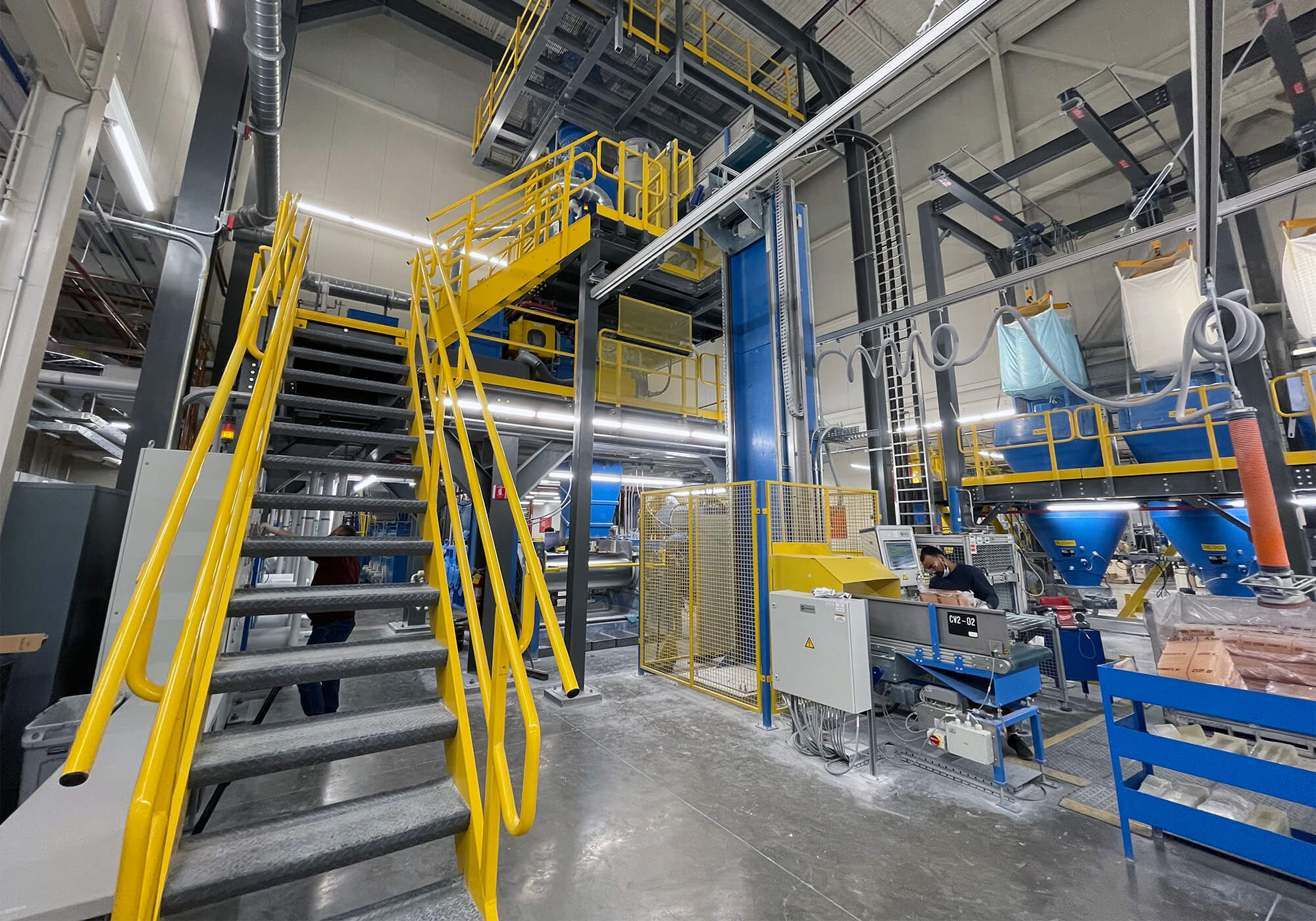
Where Quality Begins: The Factory
The first thing to understand is that the factory plays a massive role in golf ball quality. And spoiler alert: not all factories are created equally. If you want a ball that performs like a champ, it better come from a reputable factory.
Take Titleist’s Ball Plant 3 in Massachusetts for instance—it’s like the gold standard for ball manufacturing. Great factories have climate-controlled storage for their materials, strict process controls during production, and top-notch maintenance on their equipment. These aren’t just minor details; they’re essential for keeping your golf balls performing consistently.
On the flip side, you have facilities where quality is more of an afterthought. Picture this: raw materials just chillin’ in the parking lot, getting blasted by the sun or drenched by rain. Not exactly the best recipe for consistency, right?
But don’t stress too much—there are also overseas manufacturers that pump out quality goods. For example, Foremost in Taiwan has been knocking it out of the park for brands like Vice and OnCore, consistently delivering quality that can hang with the big names.
Even the finest factories miss the mark sometimes. No one’s perfect! But some places are far better at minimizing those manufacturing slip-ups than others. Pro tip: look for brands known for their quality; it’ll pay off in your game!
Constructing the Perfect Golf Ball
Now that we’ve talked about where a golf ball is made, let’s move on to how it’s made. The construction of a golf ball can be as complex as a Swiss watch, and that complexity can mess with consistency.
Two-piece balls are the simpletons of the group; you’ve got a solid core and a cover, and that’s it! Easy peasy, which means they’re generally more consistent. But step up to three-piece balls, and things get trickier. You need to ensure that the mantle layer is perfectly aligned with the core—more parts mean more room for error.
When you throw in four- or five-piece balls, it’s a whole other story. Keeping everything centered becomes a little dance of precision—one little mishap can make a big difference in how your ball flies. Some brands have gone for dual-mantle designs instead of tackling dual-core constructions because it’s just easier to get right.
The takeaway? More layers can make for a more innovative ball, but it also makes consistency a challenge—so bear that in mind when you’re ball shopping.
What’s Outside Matters: Cover Material
Alright, let’s chat about the cover of that ball, which may look unassuming but plays a big role in performance. You might think that all covers are the same, but that’s where we need to dig a little deeper.
Ionomer covers (yep, that’s Surlyn) might seem like a no-brainer, but they’re often less consistent than urethane covers. When we put balls to the test in different conditions, the ones with urethane covers tend to shine. Thicker areas or uneven weighting in ionomer balls can totally mess with your spin, speed, and accuracy.
Imagine if one side of your ball had a thicker cover than the other—your perfectly executed swing could get hijacked by an unbalanced ball.
Urethane covers, although pricier to produce, offer a more consistent manufacturing experience, making them generally more reliable. So, while not all ionomer balls are a bust, urethane typically reigns supreme when it comes to quality.
Compression: The Soft Truth
Here’s a fun twist: soft golf balls (low compression) are trickier to make consistently than harder ones. Say what? Yep! When it comes to manufacturing, softer materials can be a bit unruly. They like to shift and move around, which makes it tough to keep everything aligned during production.
You want that perfect concentricity—meaning everything lines up just right. If your soft ball’s inner core goes rogue during the manufacturing process, your results could be way off.
On the flip side, firmer balls hold their shape better, which actually makes them much easier to produce consistently. So, you might think you’re getting a better deal with those soft balls, but they could be less consistent when push comes to shove.
The Bottom Line: Make Smart Choices
Now that we’ve unraveled all these layers of golf ball complexity, you’re well-equipped to make smarter choices. While it might be tough to get all the dirt on where a ball is made or how it was constructed, you can definitely do your homework on brand reputation and find out what works best for your swing.
Here’s the real kicker: consistency is everything! A well-made ball that doesn’t have the flashiest features will almost always outshine a fancy ball that’s been produced poorly. Look for brands with a history of quality and pay attention to how a ball performs over multiple rounds.
Don’t fall into the trap of thinking that pricier means better; sometimes you just need to stay savvy. Established brands often cost more, but there’s usually a good reason behind that. They have more gear when it comes to quality control.
And remember: once you find a ball that works well for your game, stick with it! Consistency in your gear is just as crucial as consistency on the course. The best ball for you is the one that performs smoothly every time you tee it up, and that starts with quality manufacturing.
So, there you have it, folks! Keep these insights in mind, and you’re one step closer to mastering your game one swing at a time. Happy golfing!


