








The Evolution of Professional Golf: From Silly Season to Grind Season
The professional golf landscape is more dynamic than ever, particularly as we transition into what has often been referred to as the “silly season.” However, as we observe recent developments—such as the PGA Tour Q-School and the emergence of new golf events—the distinction between the elite players and those on the cusp is becoming increasingly pronounced. This article seeks to unpack these themes and offers insights into what they signify for players and fans alike.
The Silly Season Reimagined
On December 12th, the golf community turned its eyes towards an unusual event—the upcoming Golf Channel Games, featuring superstars Rory McIlroy and Scottie Scheffler. This unique competition, designed for entertainment and airplay, typically inspires both excitement and skepticism. While many consider it to be a lighthearted take on the sport, it serves as a stark contrast to the more serious undertones prevalent in recent golf conversations, particularly with the stakes involved in Q-School—a venue that marks the difference between luxuries and challenges for many aspiring professionals.
The PGA Tour Q-School: A Pressure Cooker
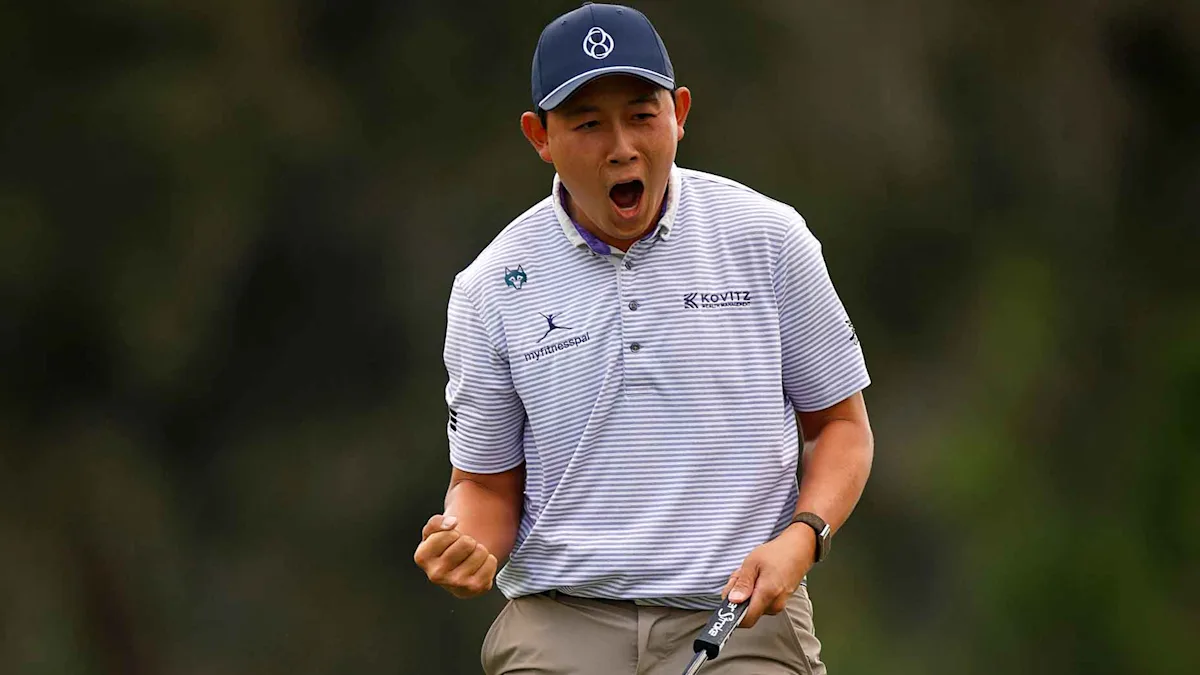
This past weekend saw five players earn full membership status on the PGA Tour after successfully navigating the intense competition at Q-School. Unlike the leisurely pursuits of top-tier stars, the Q-School represents a last-ditch effort for many golfers to solidify their future on the tour. The emotional weight of this event is palpable. Take Spencer Levin, for example; his public heartbreak after narrowly missing his tour card serves as a poignant reminder that, while the top players may enjoy carefree golfing, many are fighting tooth and nail for their livelihoods.
Contrasting Experiences: The Haves vs. The Have-Nots
The disparity between the elite players and those struggling to make the cut could not be more evident as we witness the stark contrasts in their experiences. Those in the highest echelons of professional golf often travel the world, drawn by lucrative appearance fees and glamorized exhibitions. Conversely, those lower on the totem pole face relentless pressure, competing for attention and opportunities on less-publicized platforms like the Golf Channel. This dichotomy raises pertinent questions about what type of golf fans truly want to consume: high-stakes showmanship or the authentic struggles of lesser-known players?
Emotional Depth: The Real Stakes
With emotions running high at events like Q-School, it’s essential to consider what drives both players and fans. The pressure Dylan Wu experienced as he approached a playoff situation serves as a testament to the intense stakes involved—achieving clarity and stability in one’s playing schedule for the coming year. The experience starkly contrasts the carefree antics associated with events like the Golf Channel Games. This emotional depth adds layers to professional golf that often get overshadowed by glitzy narratives.
The Grind Season: A New Reality
As we delve deeper into the realities of modern professional golf, it’s essential to concede that the so-called “silly season” is merely a façade. What we’re experiencing is a period of intense competition—the Grind Season, if you will. The aftermath of the FedEx Cup, the DPWT Playoffs, and the Korn Ferry Tour Finals, among other events, contribute to this new narrative. Players are striving not only for titles but also for essential starts, statuses, and the recognition that can lead to lucrative opportunities.
Uphill Battles: Making Every Shot Count
For many players, the road ahead is fraught with challenges. Take Ryan Gerard, for instance, who finds himself just outside the top 50 in the World Golf Ranking. His missed cut at the RSM Classic has turned into a race against time to secure a coveted invitation to the Masters. With aspirations hinging on his performance in the Mauritius Open—a daunting 10,000 miles away—Gerard’s journey underscores the lengths players must go to secure their status in the world of professional golf.
The Impact of Emotional Narratives
Professional golf is about much more than birdies and bogeys. Stories like Gerard’s capture the very essence of what makes the sport compelling. As we watch players strive for meaningful victories, we find ourselves invested in their journeys—rooting for their success against the odds. It’s not just about the glitz of major tournaments or the big names; it’s about hope, resilience, and the possibility of transformation.
Bridging the Divide: Fan Engagement
As golf fans, it’s our responsibility to recognize the emotional layers that influence the game. The fall season of professional golf requires a rebranding, a departure from the trivialization often associated with the “silly season.” More attention should be placed on the narratives that drive players and the sacrifices made in pursuit of greatness. This deeper understanding will enhance our appreciation for the sport, revealing the intricate dynamics that unfold both on and off the course.
It’s Time for a Change
As we look toward the next golf season, we must collectively consider how we label these crucial months. The emotional stakes involved in this part of the year demand distinction from the more lighthearted fare often showcased in prime-time slots. Let’s look beyond the superficial layers and acknowledge the real struggles and triumphs that unfold, shaping the narratives that make golf compelling.
While the golf community continues to evolve, it is imperative to carve out space for deeper engagement with the sport. As we enjoy the lighter moments, let’s remain aware of the intense emotional currents that run just beneath the surface. After all, the true spirit of golf thrives in the stories of grit, perseverance, and the never-ending pursuit of excellence.
This comprehensive examination not only reflects on the current state of professional golf but also invites deeper conversations about its future. Whether a casual fan or a long-time enthusiast, this is an opportune time to appreciate the dynamic nature of the sport and what it means for those involved and spectators alike.


