









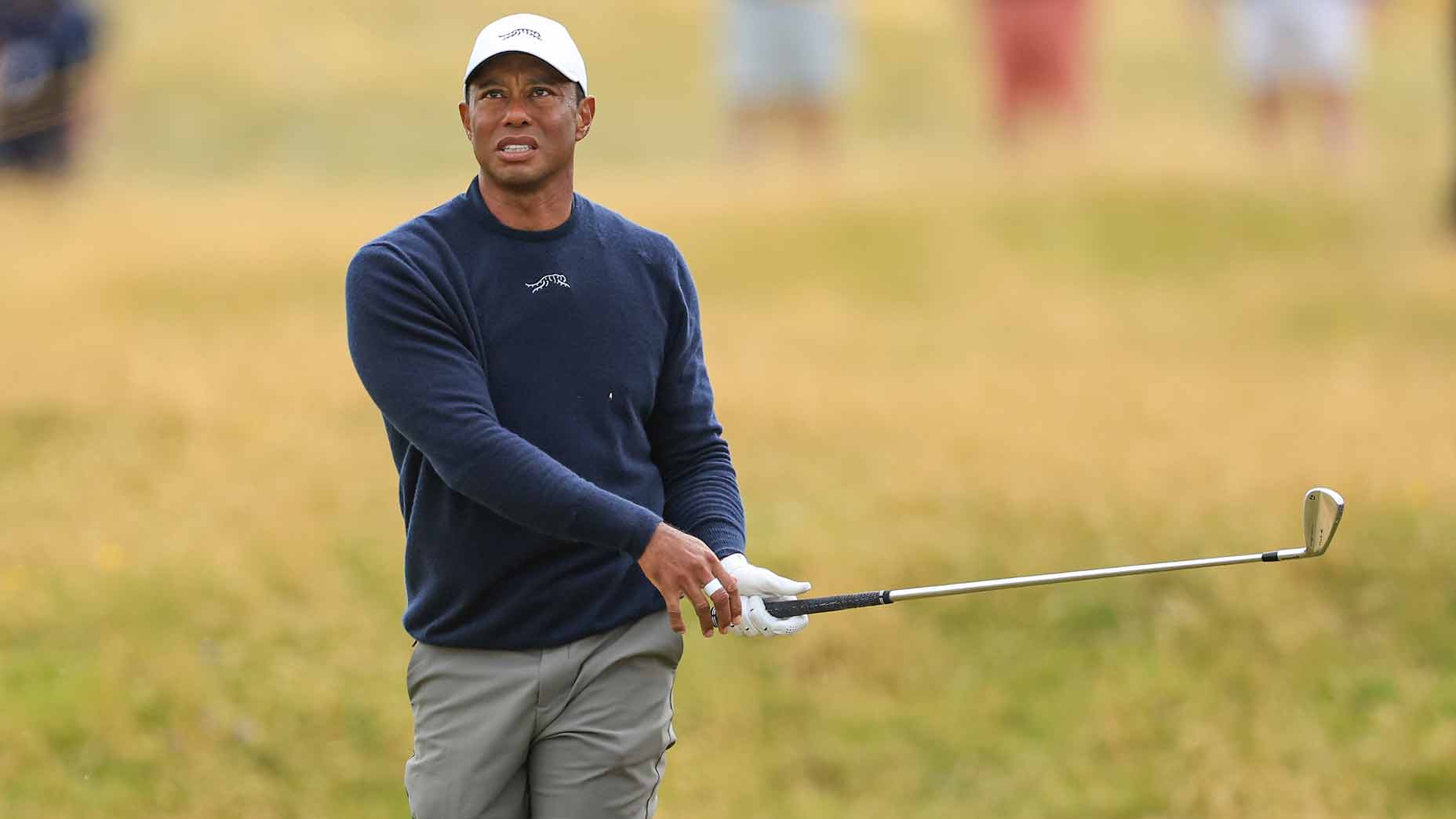
Professional bettor Rufus Peabody made headlines with a $2 million wager on eight golfers, including Tiger Woods, not to win the Open Championship. However, the risk he was taking was not as great as the numbers suggest. As a Yale-educated quant with a background in economics and sports analytics, Peabody uses an algorithm to give him a statistical edge when betting on golf.
Before the Open Championship, Peabody crunched numbers and found that Tiger Woods was a long shot with odds of 330-to-1 to win, but in his calculations, Woods had even less chance of winning than that. Peabody placed $330,000 to win $1,000 on Woods not to win, along with bets against seven other players. While the total liabilities added up to close to $2 million, his actual risk was far less because only one player can win a tournament, ensuring that he would win at least seven of those bets.
Not-to-win bets like the ones Peabody often places are more commonly made by professional bettors due to the odds and logistics involved. These bets cannot be made on platforms like DraftKings or at Vegas sportsbooks, requiring an account with a betting exchange. Despite the statistical sensibility of his plays, Peabody is not immune to losing, as evidenced by a $360,000 bet on DeChambeau not to win the U.S. Open that did not pan out.
In the age of social media and legalized gambling, high-stakes wagers spread quickly, often without input from the bettors themselves. Peabody’s recent win in not-to-win bets at the Open Championship was a rare public acknowledgment of his success, aimed at providing insight into how these wagers work and dispelling myths about the gambling industry. His intention was to spark conversation and offer educational opportunities regarding certain types of bets.
Overall, Peabody’s approach to betting highlights the calculated risks and statistical analysis that professional bettors employ. While he may not always come out on top, his strategic approach to wagering showcases the complex world of sports betting and the unique strategies that can lead to both success and failure in the industry. With a keen understanding of odds and a dedication to research, Peabody navigates the world of betting with a mix of calculation and intuition that sets him apart in the competitive landscape of professional gambling.


